Collective Spaces is a member-owned working farm and forming intentional community on 204 acres in Halifax County, Virginia.
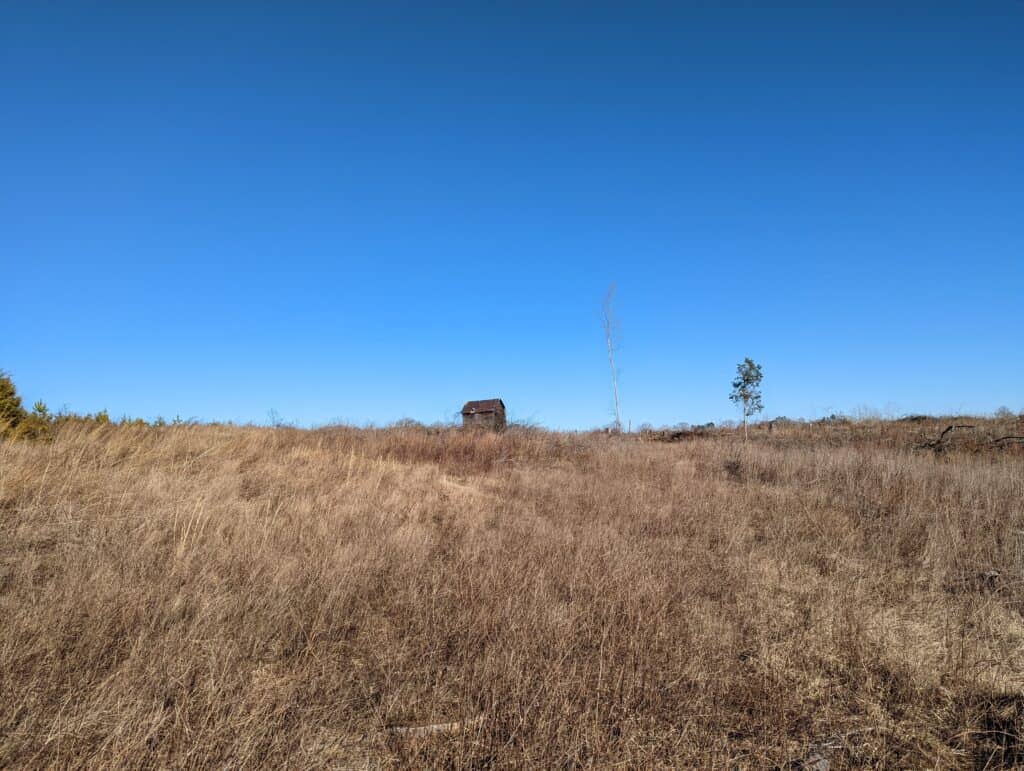
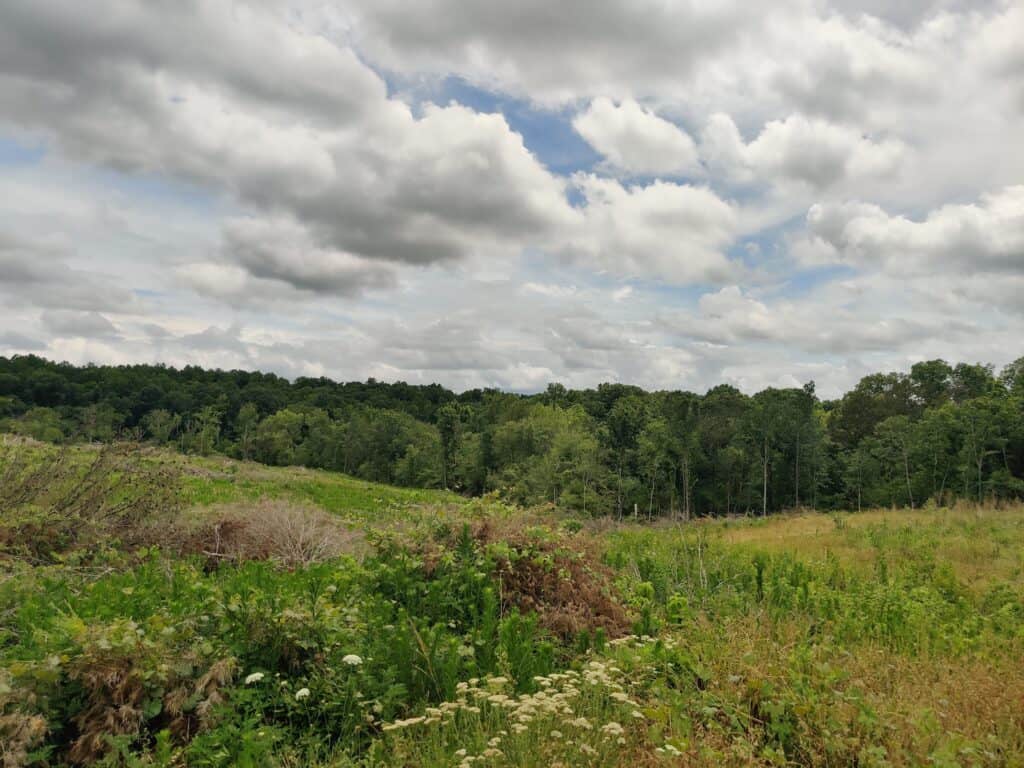
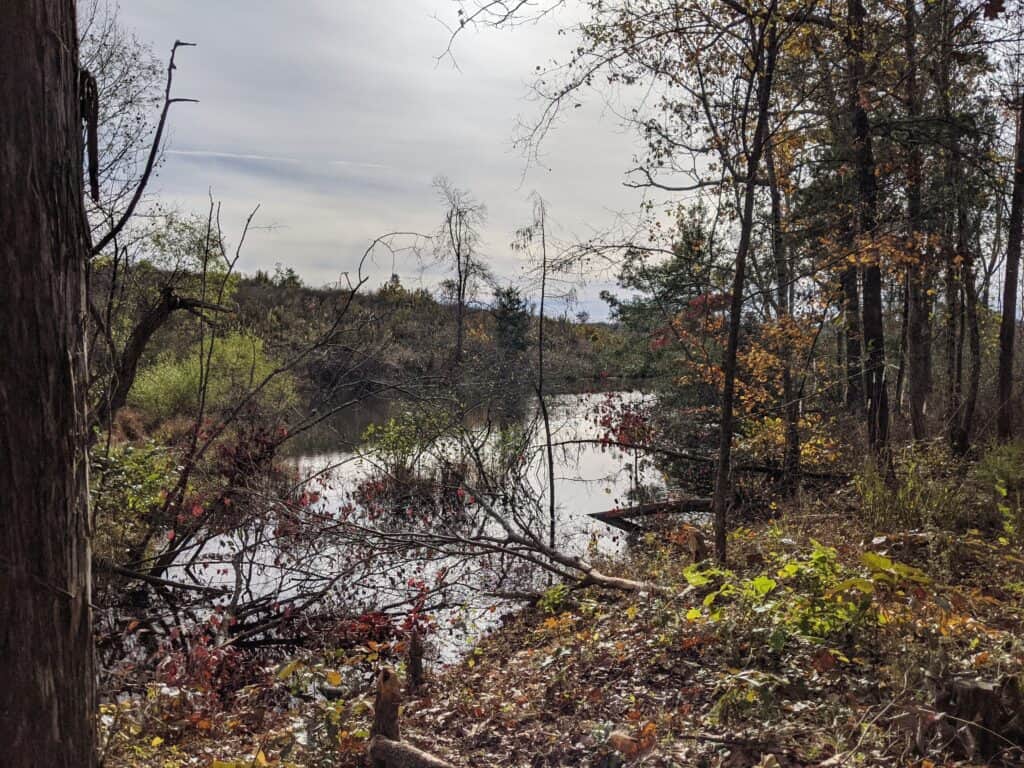
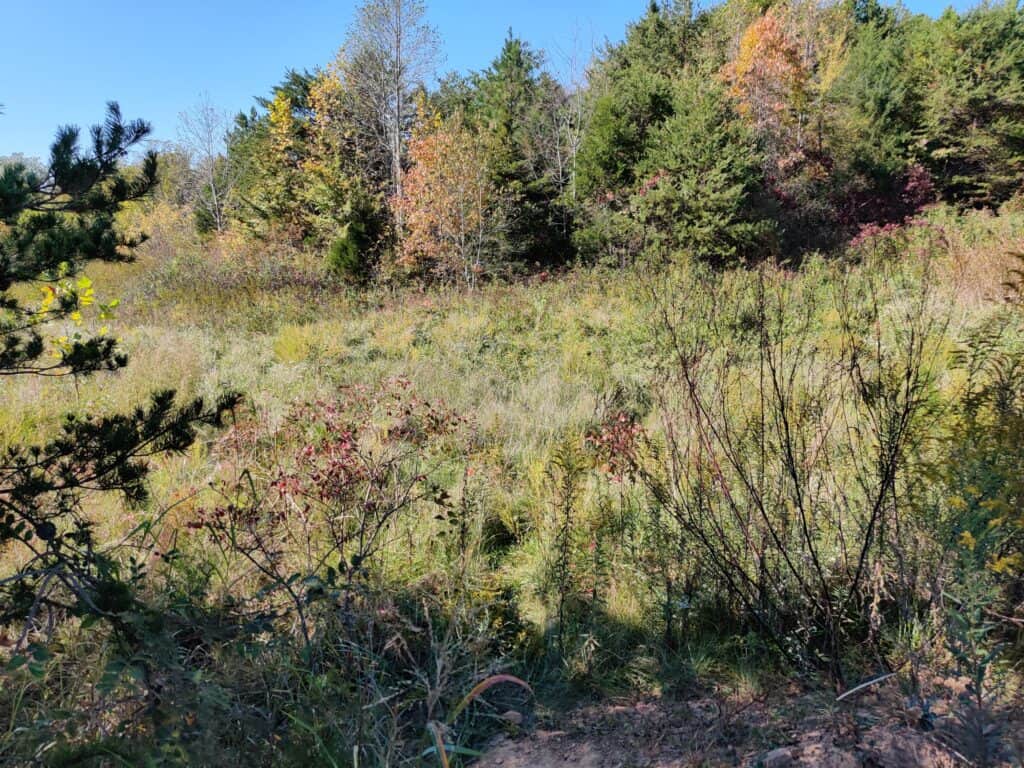
The farm includes peaches and plums; figs, pawpaws, mulberries, irises and peonies; three pine stands; 84 acres of older-growth hardwood and mixed forest; about 4.5 miles of trails; campsites; and two wood-framed geodesic domes. A community-accessible food forest is agreed and planned, not yet established; it needs funding, time, energy, and hands in the soil.
We think of the land as a canvas with the edges painted in. Acreage, water, roads, neighbors, current projects, and shared values give it shape; the center is unfinished. New people can add to it through farming, governance, care, art, learning, infrastructure, business, or another relationship they help shape.
Our owner group is committed but dispersed and short on time. We seek five new owner-members, then five more, especially people who can help sustain the farm financially and build an active relationship with the land. Dues are sliding-scale, grounded in financial accessibility and class solidarity. Around $200 is our reference; some contribute more or less.
There are no firm hourly requirements for farm or related work, although a great deal needs to get done. Members contribute voluntarily according to capacity, initiative, interest, and relationship. Work Collective Spaces defines with deadlines and performance expectations should be paid.
Big shared decisions are made through sociocracy while members retain independence within agreed locations, resources, impacts, and boundaries.
There is no finished housing on the farm. Self-contained or primitive presence may be possible only after location, sanitation, safety, duration, and shared impacts are discussed together.
The best first step is to join one of our online meetings, held every Monday at 8:30 p.m. Eastern. A meeting or visit is a beginning, not membership or housing approval.
Collective Spaces, a diverse and inclusive group, stewards the land, breaks class barriers, supports each other, improves ourselves, and positively impacts our communities. We are creating a vibrant space to grow, learn, live, play, and thrive together.
Creating vibrant spaces to grow, learn, live, play, and thrive together.
Email in**@******************rm.com and join an online meeting, held every Monday at 8:30 p.m. Eastern. If interest continues, we may plan another meeting or farm visit before discussing the incoming-member path and 90-day review.
Stay in relationship: communicate, join meetings and visits when you can, contribute sustainable sliding-scale dues, and help care for the land or community according to capacity. There are no firm hourly work requirements.
The whole membership decides collectively.
Decisions proceed unless someone has a reasoned objection.
Organized in circles or domains with distributed authority.
Financial contributions based on individual ability to pay, with varying amounts according to income levels.
Members keep separate incomes and personal finances. Owner dues are sliding scale, grounded in financial accessibility and class solidarity. Around $200 per month is our reference point; some members pay more and some less. Money does not purchase extra governance power.
Incoming-member dues are held in escrow until the membership review at or before 90 days.
There is no labor obligation or fixed hourly requirement. The land still needs mowing, farming, repair, administration, and care, and members contribute voluntarily. Work Collective Spaces assigns with deadlines and performance expectations should be paid.
A member may develop a farm, workshop, event, or business after discussion of location, resources, impacts, legal structure, and shared boundaries. Membership does not promise employment, income, housing, business approval, or land use.
Collective Spaces is still developing a community-ownership framework for substantial businesses on the land. It is not yet a settled public term.
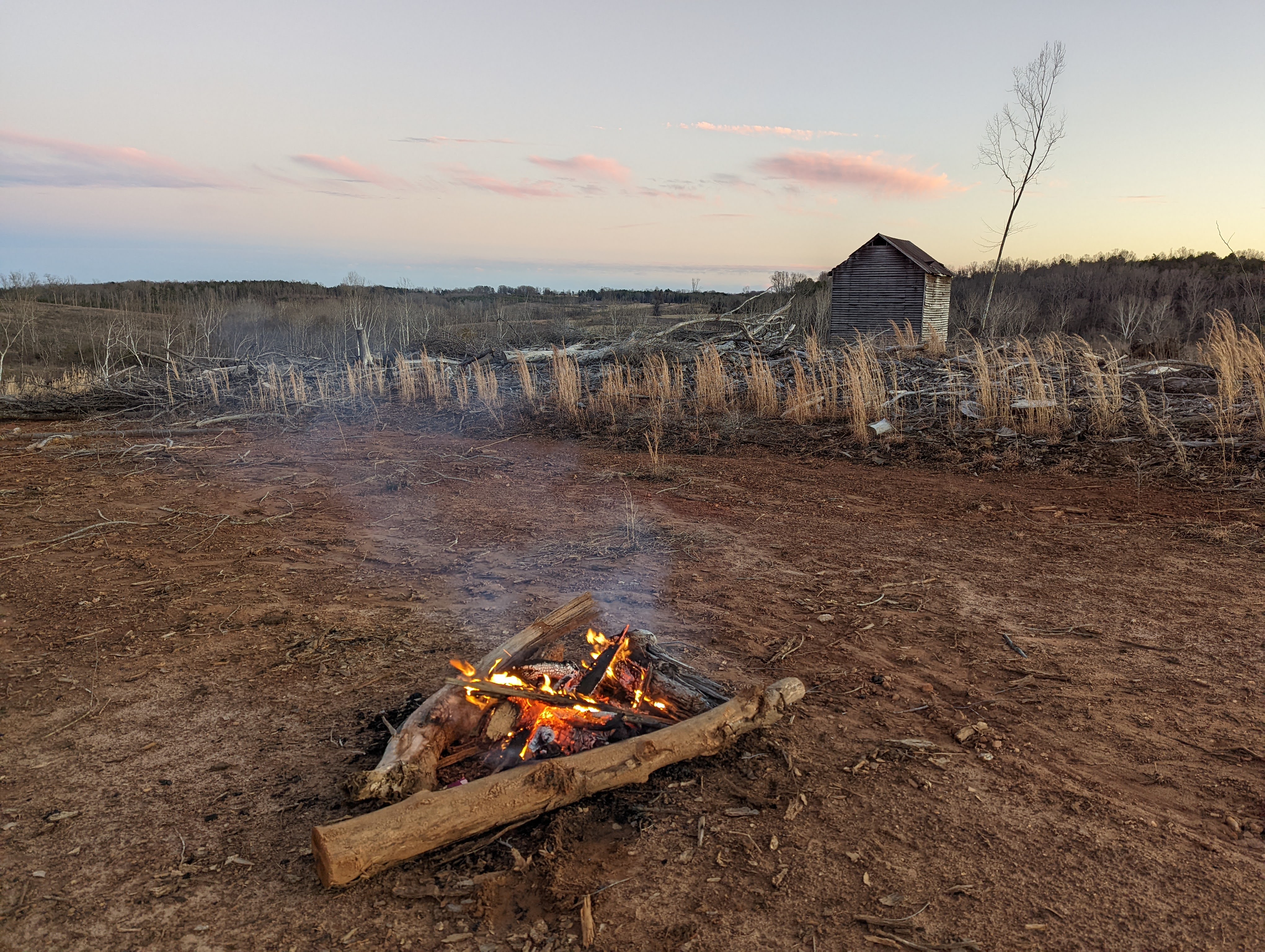
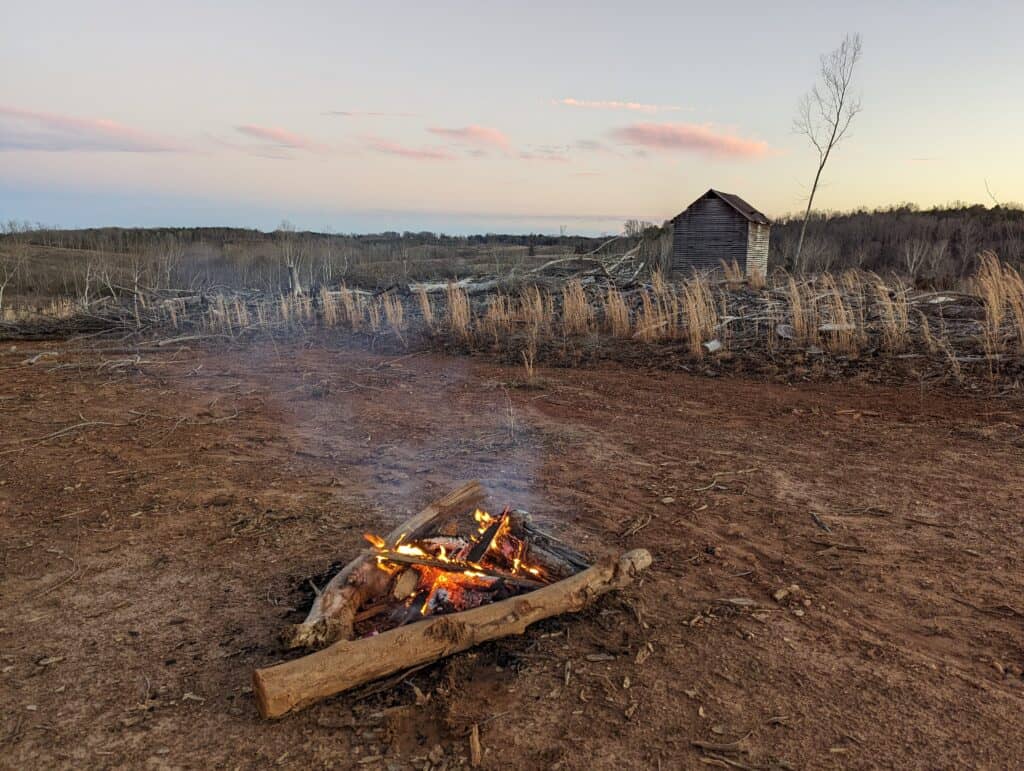
Shared resources include the land as a whole within agreed use and safety boundaries, a fire pit, existing buildings and outbuildings, the community outdoor kitchen, tools, and a tractor. Availability and responsibility are worked out together. These are working-farm resources, not finished housing or general guest accommodations. The farm has no well or septic, and power is very limited.
Collective Spaces hosts monthly work-play weekends: educational, hands-on gatherings where people learn together, complete real farm and infrastructure work, share time on the land, and build community. Annual events include Figure, Fruit and Field – a gathering around the farm, creative practice, fruit, fields, and community – along with a plum-picking weekend, holiday tree-cutting weekend, and Spooky Stories. We also welcome educational workshops throughout the year and are actively seeking members and non-members to facilitate farm-focused and community-focused workshops.
Moderate climate with distinct seasonal changes
Includes deciduous and mixed forest types
Examples: Eastern North American Forests, European Broadleaf Forests
Countryside locations with significant distance from urban centers.
Connecting people and communities through an intentional online marketplace
There are no needs and offers
We use cookies to improve your experience on our site. By using our site, you consent to cookies.
Manage your cookie preferences below:
Essential cookies enable basic functions and are necessary for the proper function of the website.
These cookies are needed for adding comments on this website.
Statistics cookies collect information anonymously. This information helps us understand how visitors use our website.
Service URL: policies.google.com (opens in a new window)
A residential project: people live here as their primary home.
An institution, business, network, or project that isn’t a residence (e.g. a learning center, farm, or network with no one living there full-time).

{{ item.label }}
{{ item.value ? item.value : currencyFormat( item.amount ) }}
Subtotal
{{ currencyFormat( pricing_summary.total_amount ) }}
There are no results matching your search

We’re introducing new Plus features — including community reviews, Profile Match, and unlimited Needs & Offers posts — while keeping most of FIC free for everyone. Membership costs less than two coffees a month.