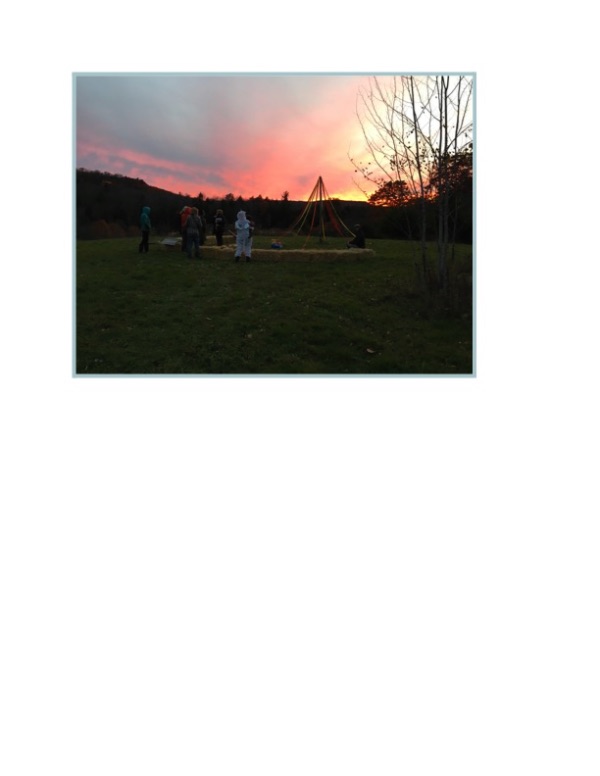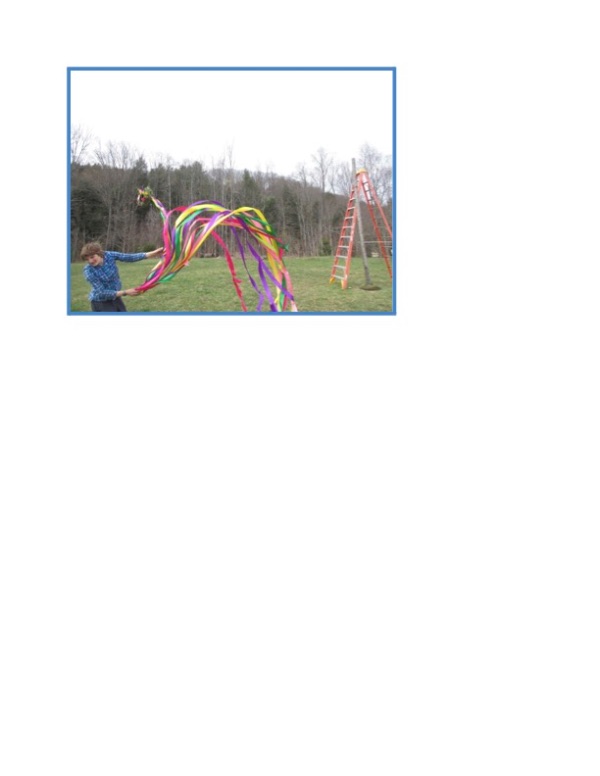
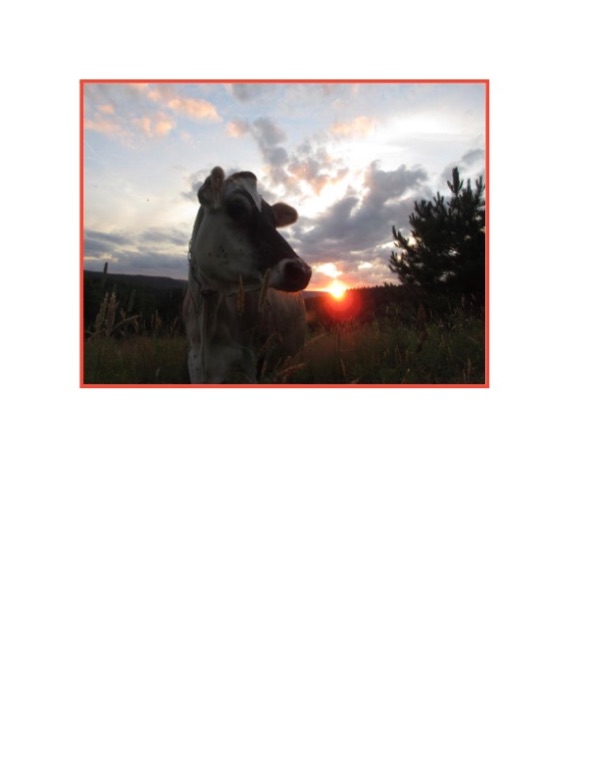
Cow silhouette at sunset on a farm with trees and cloudy sky.

Via Lactea Sanctuary

  • Communities

About the Communities

  • Established
  • Spiritual
  • Rural

Founding year

  • 2017

What we do

Via Lactea Sanctuary is an emergent animist agrarian community, spiritual and religious education center, and immersive retreat space organized as a 508 (c)(1)(a) non-profit, tax exempt faith-based organization and Member Association. We are currently recruiting highly skilled faculty and potential clergy who can develop, model and teach religious curriculum (both hard and soft skills) around agrarian animism and Earth-centered spirituality. Applicants possessing a mix of hard skills such as off-grid homesteading, subsistence agriculture, permaculture, ecosystem-based forestry management, natural building, organic farming, diesel mechanics, heavy equipment operation, livestock (poultry, dairy, fiber) management, beekeeping, herbalism, cheesemaking, breadbaking and soft skills such as Non-violent communication, conflict transformation facilitation, Internal Family Systems therapy, anti-racist education and, ritual/ceremonial design and gift economy are encouraged to contact us to apply for membership and a position at the Sanctuary. Current positions include: Caretaker, Forester/Green Man, Farm Manager, Cheesemaker, Natural Building Instructor and Permaculture Design instructor.
Current members (3 permanent full-time adults, and two part-time) live and homestead on and off-the-grid surrounded by beautiful NY State Forest. We live simply and work in close connection to our waters, soils, forests, plant, animal and beyond-human-allies, while providing Wheel of the Year Earth-centered religious programming to the local community and developing our immersive curriculum.
We are especially interested in providing young or potential families with a place to produce nutrient-dense food, to homeschool their children, and to teach simple, Earth-centered living, all of which our founding family has done for 18 years and would like to share with interested and capable potential members and students.
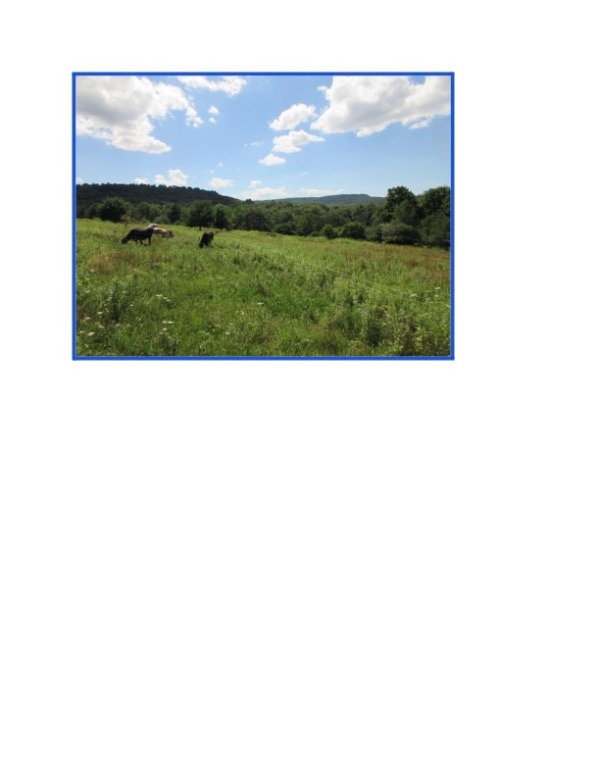
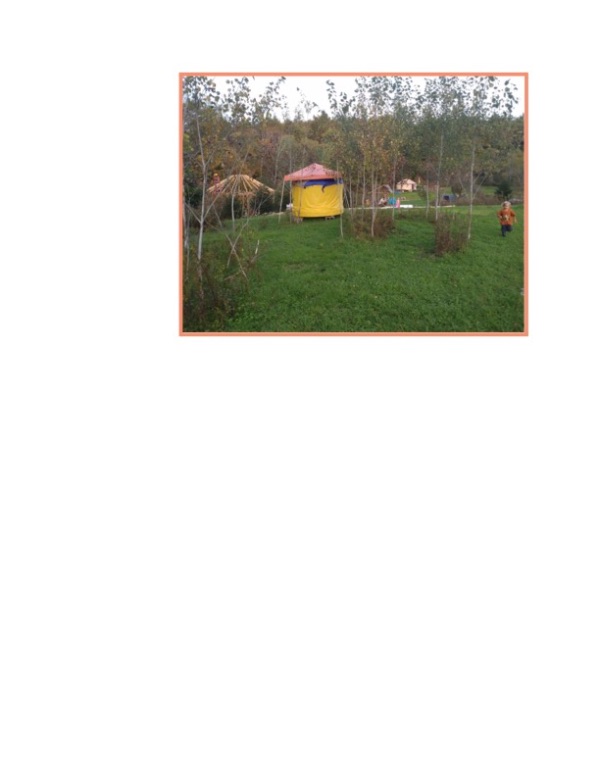
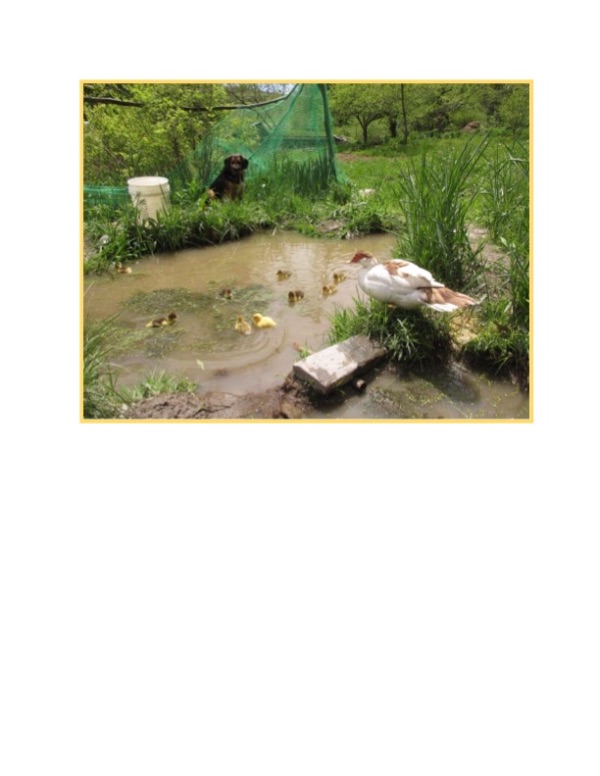
Student, faculty and clergy housing currently includes small, private rustic yurt and grid-tied large old farm-house for two small families or up to six individuals (including possible partners), with additional cabins planned and already financed. Our 62 acres of mixed soft and hardwoods, and agricultural land are surrounded by New York State Forest and contain a primeval valley with wild water creek for dipping in the summer. Pond development is planned.
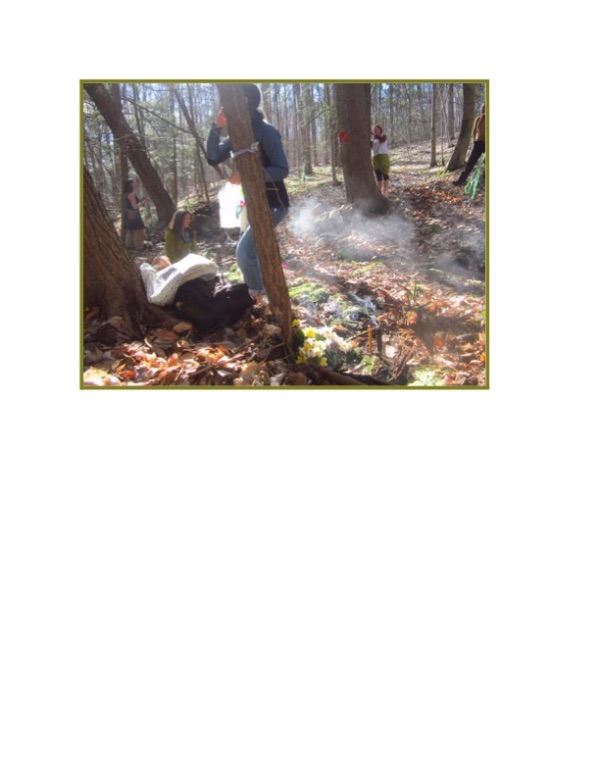
Shared values connect us. We hold the Earth as sacred, and we hold our work on/with the land and each other as a form of worship, prayer and/or meditation. We encourage Earth-centered spiritual practices such as ancestral connection, recovery of individual and cultural lineage-derived spiritual technologies, and Earth-based healing practices.
Core self-organizing agreements: 1) we use ADVICE PROCESS to consult with those who will be impacted by a decision; 2) we commit to an established CONFLICT RESOLUTION process; and 3) we seek regular practice in providing and receiving FEEDBACK. With time, we are working toward integrating INTERNAL FAMILY SYSTEMS-based Self-leadership into our community practice toolkit.
We center consent and bodily sovereignty. We hold war as a fundamental tool of oppression, identify as an anti-militarism member organization, and work for peace on all levels of society—not just the absence of war.
People of color and all gender/sexual orientations are welcome here and we commit to being in a continual process of examining and dismantling our racism, privilege and cultural biases, while working in solidarity with liberatory, land-based, BIPOC-led projects.

Our Mission

Calling People of the Cow!
We are Via Lactea Sanctuary, settled on traditional Gayogohono (Cayuga) homelands and striving to live in peace with All.
Our mission is to create a sanctuary where ancestral wisdom, regenerative agriculture, personal and societal healing and land-based liberatory practices are integrated through collective subsistence farming. We have found that community-supported dairy cow husbandry provides a) an abundant and regenerative way of life, b) a pathway toward recovery of ancestral spiritual and agricultural practices, and c) a viable foundation for resistance to the dominance of Empire.

  • Purpose
  • Spiritual
  • Community type
  • Coliving
  • Commune
  • Spiritual Retreat Centers
  • Sustainability practices
  • Regenerative agriculture or permaculture
  • Permaculture design
  • Natural / low-impact building
  • Activities
  • Farming
  • Education
  • Experiences
  • Others

Commemorative dates

  • January 1, 2017
  • Started planning
  • January 1, 2020
  • Started living together
  • 2 Total members
  • Open to new members
  • Open to visitors
Total
6

How to join

Membership process begins with prospective members (who may be local to Ithaca/Cortland NY) contacting us with interest, then attending community meals, celebrations, and/or work parties. Those who live further away may schedule up to a one week-long working visit. After participation in work on the land on three or more occasions, or a week-long working visit , prospective members may apply to reside in the community for an initial intake period, whose length will be determined by everyone’s circumstances at that time. One would be an “intern,” “apprentice” or ‘guest resident’ during this intake period. Depending upon qualifications, one would proceed to become an Apprentice, Faculty or Clergy of the Sanctuary.

Basic expectations or agreements for members

Email us with interest, qualifications and desired length of visit. We currently have no long-term “visiting members” but have had them in the past.

Primary decision-making authority

  • Small Leadership Group

A few people (not elected by the broader community) make the major decisions.

Decision-making process

  • No Established Process

Governance structure

  • Minimal/Anarchist

Little to no formal governance structure.

Conflict resolution approach

We use “modified consensus” and “anarchy” in that the residential community members make either consensus decisions (when required) or emergent decisions (using the 3-step Advice/Feedback/Conflict Resolution process outlined above) relating to land use and community, while the Via Lactea Board makes consensus decisions regarding governance of the Faith Based Organization.

Economic model

  • Partial Income-Sharing

Members contribute a percentage of income to community funds.

Economic scenarios for this community

  • Members need to pay fees, dues, or similar to live there on a per month or per year basis
  • There is a labor obligation

Additional economic information

Regular fees: Yes
Labor: Yes (4 hrs/week)
Community labor is determined by the skills, abilities, capacities, interests and needs of members combined with seasonal changes and fluctuating community needs. We typically work 20 hours per week in the summer or during calving/milking peaks, and perhaps 6 in the winter, though administrative work is more evenly distributed.

Shared resources and amenities that are accessible to everyone in the community

Common House, Garden(s), Library, Workshop, Outbuilding(s), Swimming pond or pool, Outdoor Kitchen, Large Scale Kitchen, Tractor & Farm Equipment, Fire pit, Waterfront access, Internet

Frequency of communal meals

  • About once a week

Significant food acquisition practices

  • Locally sourced
  • Livestock / Animal Husbandry

Dietary type

  • Halal Only

Dietary restriction

  • These restrictions are throughout the community

Community activities and engagement

  • Transition Town (post-petroleum and off-grid communities.)
  • School, Educational Institute or Experience
  • Volunteer, Internship, or Apprenticeship, or WWOOF’ing
  • WWOOF'ing, Guest Farming
  • Festivals, Conferences, Events

Substance use culture

  • Substance use occurs primarily at celebrations or ceremonies
  • Religions
  • Wiccan, Paganism, or Earth Religions

Gender composition

  • Majority cis (over 60%)

Age demographics

  • Multi-generational (all ages well represented)

Property status

  • Privately owned

Property owner

  • By several individuals through an LLC or a Tenancy In Common agreement

Setting

  • Rural

Countryside locations with significant distance from urban centers.

Community type

  • Coliving

    Shared living spaces with private bedrooms/bathrooms and communal
    kitchens, dining, and social areas.

  • Commune

    Communal living with shared resources, property, and often income or work responsibilities

  • Spiritual Retreat Centers

    Residential communities focused on providing space for meditation, spiritual practice, and personal growth retreats.

Community type

  • Partially built or remodeled with recycled or environmentally friendly materials, and/or using natural building methods

Sustainability approach

  • Regenerative agriculture or permaculture
  • Permaculture design
  • Natural / low-impact building

Land practices in our community

  • The community practices permaculture

Community type

  • Partially built or remodeled with recycled or environmentally friendly materials, and/or using natural building methods

Some or all of the buildings are...

  • Partially built or remodeled with recycled or environmentally friendly materials, and/or using natural building methods

Self-produced energy

  • 33 - 66%

Energy sources used

  • Photovoltaic Solar

Self-produced food

  • Up to 33%

Local, organic, or fair trade food

  • 33 - 66%

Food systems

  • Community garden
  • Livestock / poultry
  • Land area size
    84 acres

Guest Book

Written reviews are available for plus members. Click here to upgrade.

Location

  • New York, United States

Via Lactea Sanctuary

Needs and Offers

Connecting people and communities through an intentional online marketplace

  • Promoted
Offer
  • Communities with Openings
3 days ago

Herding Cats Collective, Calgary: a shared home, a hub, and a launching pad for a micro village

Herding Cats Collective is a shared home of seven adults in Calgary, Alberta, Canada, about an hour from the Rocky Mountains. We are people who could live on their own and choose to live with others, around the things that move us: caring for the land, a grounded spiritual life, social justice, new ways to live and decide together. A good home first. We share dinners: each of us cooks one night, and the others cook the rest of the week. There is a sauna, a fireplace, gardens front and back, a shared office and a maker area. It is a place to rest, and a place where we strengthen each other. A hub. People from outside the house come through for our gatherings, our dinners and short stays: a party with music and fire in the backyard, a talk in the living room, a friend from out of town for a few nights. A launching pad. With families around Calgary, we are working toward a micro village: households close together, sharing more than one house can. The picture is still forming, and the people who join now help shape it. We decide together by consent, in the sociocratic way. I steward the home, with feedback that keeps me accountable to the residents and the owners, and other residents hold roles of their own. Two ways in. Rent a room for one to three years: rooms run $825 to $950 CAD a month, with utilities, wifi and household supplies included. Or, if you want to build this with us, a negotiated agreement to co-own the social side and the infrastructure of the project. Write to us for availability: a few lines about you and what you are looking for. Then a call, dinner with us as our guest if you are nearby, and a ten-day stay before anyone signs anything. Louis MarceauCommunity development and coordination for Herding Cats Collective
  • Promoted
  • Events
3 weeks ago

Coastal Regeneration Immersion: Permaculture Design Certification in Jalisco, Mexico

Tropical Dry Forest Permaculture Design & Regenerative Stewardship Certification (PDC)12-Day Intensive | 120 Hours | Costalegre, Jalisco, Mexico APPLY AT XOCHIRAIZ.COM Join us for an immersive Permaculture Design Certificate course set in the tropical dry forest bioregion of coastal Jalisco. This 120-hour intensive blends internationally recognized PDC curriculum with hands-on regenerative practice — combining ecological design, agroforestry, natural building, and community stewardship into one integrated learning experience. Lead Faculty Jorge Luis Gtz. Olarte (Arborescencia RedGenerativa) – Regenerative Design, Soil Biology & Agroforestry Ozzy Lusth (Survior & Xochiraíz) – Wilderness Resilience & Survival Skills Dave Collins (Capacha Coastal Conservation Center) – Bioarchitecture & Ecological Development What You’ll LearnThe course moves through six progressive phases: Permaculture & Ecological Literacy – ethics, principles, and reading the tropical dry forest landscape Water & Soil Systems – keyline design, water harvesting, living soils, and compost systems Horticulture – food garden design, propagation, and biological pest control Regenerative Food Systems – tropical agroforestry, food forest design, and guild planting Ecological Infrastructure – bamboo bioarchitecture, bioclimatic farm design, compost toilets, greywater, and rocket stoves Integrated Design Studio – team-based final design projects covering watershed strategy, agroforestry, food forest layout, infrastructure, and phased implementation Daily RhythmMornings begin with optional surf/yoga and journaling, followed by field practicums and hands-on workshops. Afternoons include design studio and construction lab work, with reflection circles, communal dinners, and evening talks, films, or campfire discussions rounding out the day. Final ProjectParticipants work in teams to produce a full regenerative design package — landscape analysis, water plan, agroforestry design, food forest plan, ecological infrastructure, and bioclimatic farm plan — presented to a faculty review panel on the final day, followed by a closing ceremony, certificate delivery, and community feast. CertificationGraduates receive the Tropical Dry Forest Permaculture Design & Regenerative Stewardship Certification (120 contact hours), hosted by Capacha Coastal Conservation Center and Tierralegre, A.C. Curriculum integrates international PDC standards with tropical ecology, agroforestry, ecological restoration, bamboo bioarchitecture, bioclimatic design, GIS/photogrammetry, and regenerative leadership. Highlights Hands-on bamboo construction (temazcal, bathhouses, sculpture) Tropical dry forest silviculture practicum Community mapping and design project for Ekoa Green Community Talent show and sea turtle release
January 10 – January 24
  • Promoted
Offer
  • Promoted
Offer
  • Professional Services
4 months ago

Community Matchmaking: Get Help Finding Your Community

Would you like to join an intentional community but don’t know how? Feel overwhelmed by the number of communities out there? Not sure if there is one that’s a fit for you? CommunityFinders is here to support you on your path to community living. You can find your community by: Taking the free Community Types Quiz to learn which of the most common types of community is a fit for you. Booking a 1:1 consultation with a Community Matchmaker to receive recommendations for communities that are a fit for you. Joining the Money and Community Mini-Course to find out which communities are within your budget. Reading the book Intentional Community to help you understand your options and decide whether community living is right for you. Our goal is to help community seekers become community finders — people with confidence that their community match is out there and they will find it. Looking forward to working with you to find your community! Please be in touch, Cynthia Tina Founder communityfinders.com What communitarians are saying: “Cynthia helped me clarify the intentional communities that fit me, better get to know them, and finally choose one that I’m now a member of. I have no doubt anyone on a community journey will find great value in her guidance.” – Alan Stillman “Out of potentially thousands of communities, Cynthia matched me with very similar values revealed on their websites. I am in the process of applying to visit the number one recommendation. I’m excited and thankful for Cynthia‘s skills. Beyond well worth.” – Tommy Teeple “Due to her extensive community experience, she could offer many insights, provide useful tips and present selected communities to me that she had visited herself.” – Antonia Von Hassell

Update to a Public Profile

  • Log in
  • Go to your profile page
  • Toggle on the "Add my profile to the directory"
  • Save your profile

Information

Communities

A residential project: people live here as their primary home.

Organizations

An institution, business, network, or project that isn’t a residence (e.g. a learning center, farm, or network with no one living there full-time).

Plus Community Membership

  • Find people with Profile Match
  • Access to your community listing statistics
  • Create Discussion Groups
  • Access to our affiliate program
  • Member badge on your community profile
I am an official member of this community
Disclaimer
I affirm that my information is accurate and I am authorized to manage this listing
Foundation for Intentional Community FIC Member badge logo.

Free Plan

Free Membership
Free

Intentional Advertising

  • Subtotal

    {{ currencyFormat( pricing_summary.total_amount ) }}

Icon representing community connections and collaboration for intentional communities.

Plus Membership

  • Find communities with Profile Match
  • View detailed reviews about communities
  • Create free listings in Needs & Offers
  • Plus Member resources in CommUniversity
  • View communities detailed reviews
  • Plus Member badge on your profile