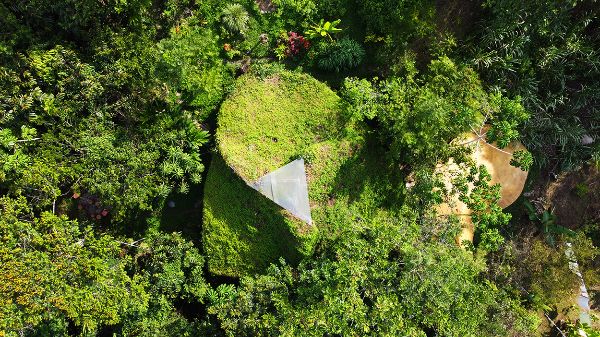
General Vision
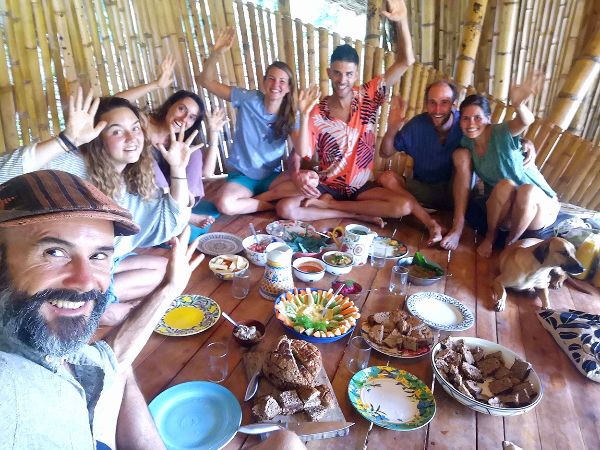
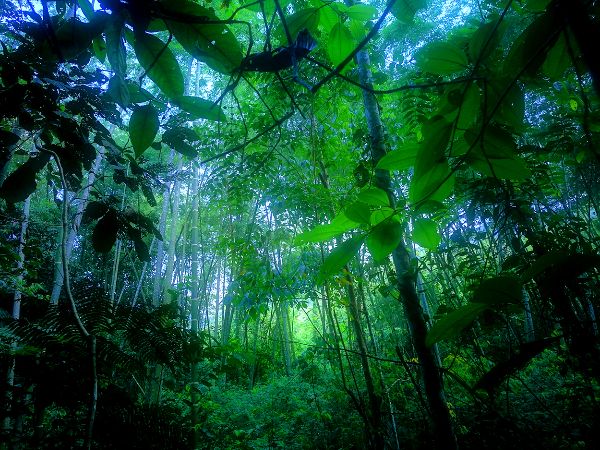
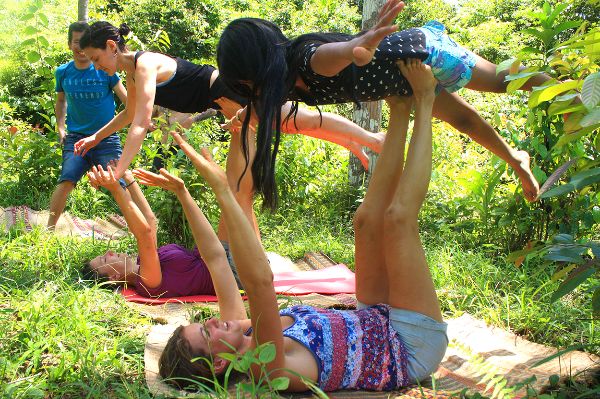
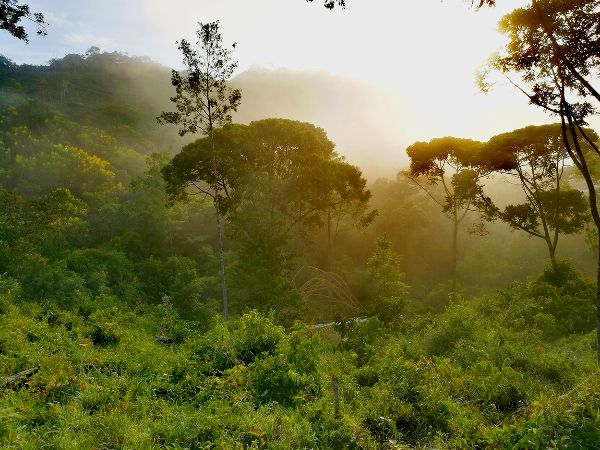
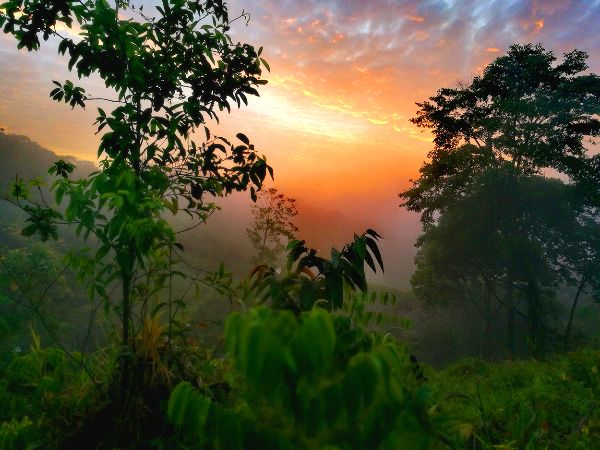
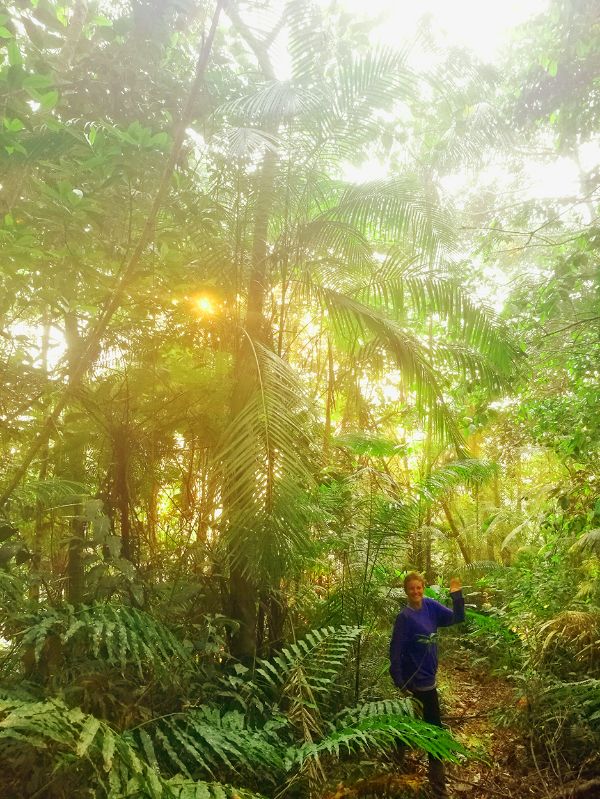
The Ekawa Bamboo Village is a sanctuary for creativity & healing which holds space for inspired living immersed in rainforest life. This project is about enlivening ecosystems by finding our home in nature. Here we find a lifestyle nourished by and nourishing of nature in action, in realness, in beauty. It is an ecological and spiritual process in the form of dwelling in reverence for and connection with the wild ecologies in which we live.
Who is this for?
This is an invitation to those who are already on a journey of inner rewilding and are looking for a home that holds space for their evolution in human being and becoming. It is a calling to creatives, seekers, adventurers, nature lovers, mystics, yogis, healers; to those who wish to live fully immersed in wild nature and at the same time live in a neighbourhood of like-minded families; to those who would like to call San Blas their main home and feel enlivened in the everyday through a sculptural architecture and a rawness of nature.
Territory
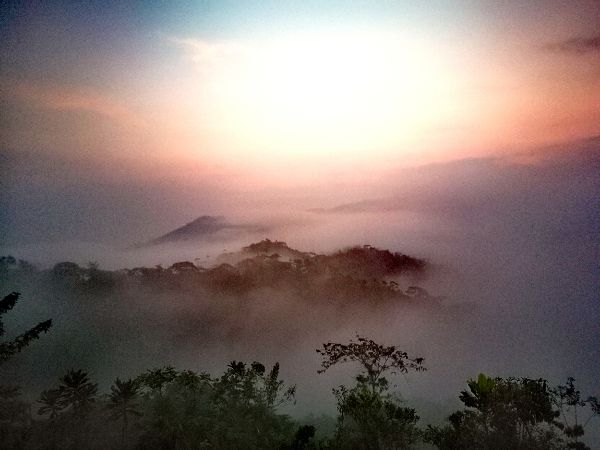
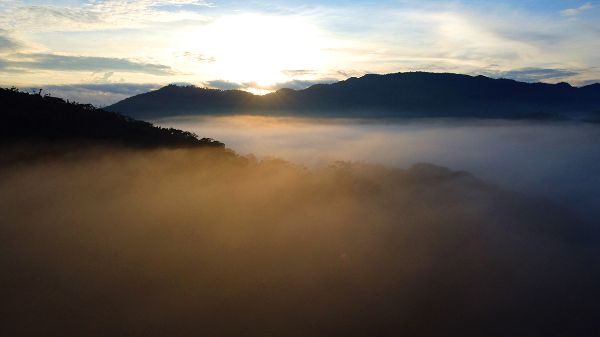
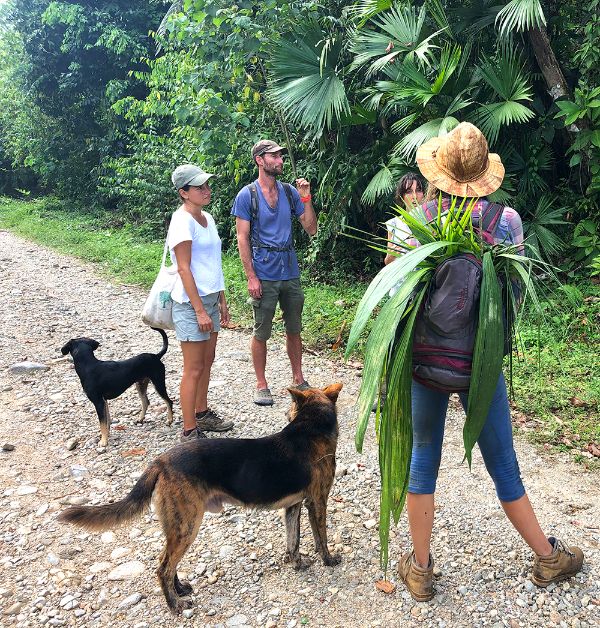
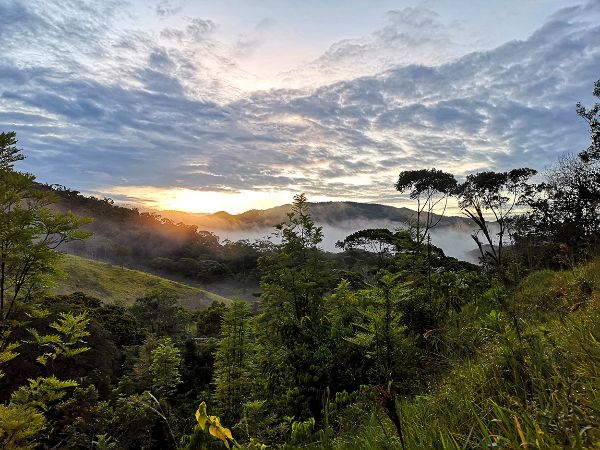
The project is located in the Valley of San Blas, between the towns of San Carlos and San Rafael, in Colombia. The territory of Ekawa spans the Watersheds, the Springs and the Groves.
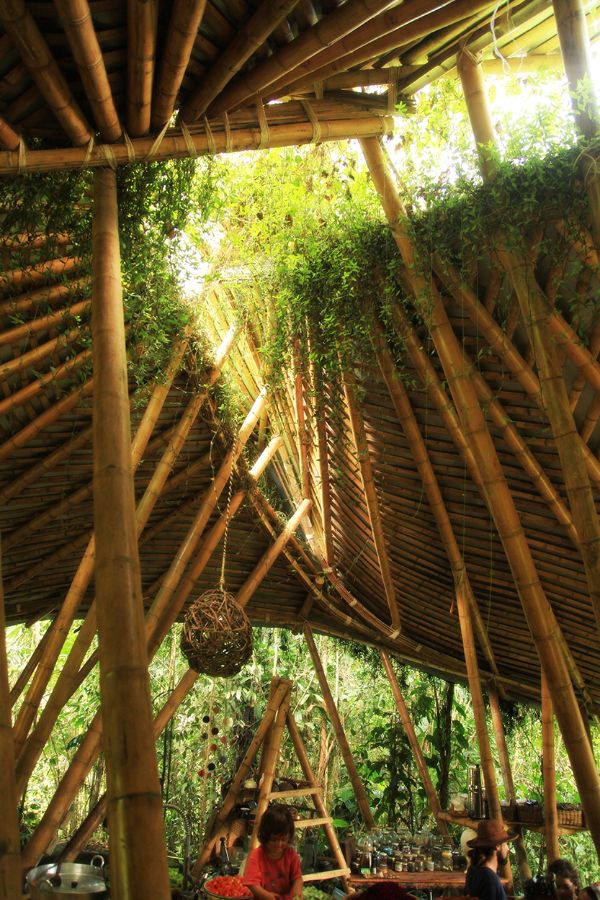
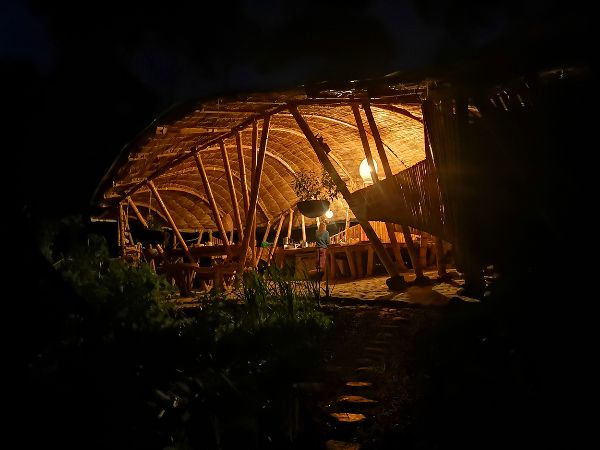
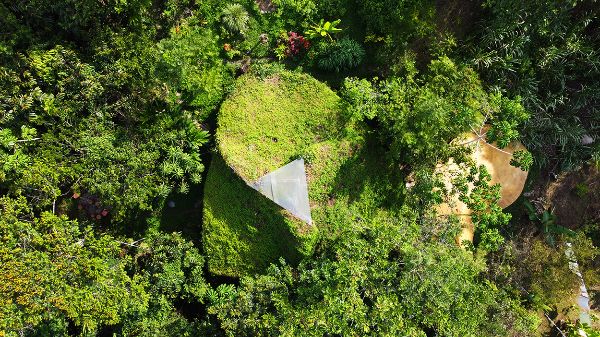
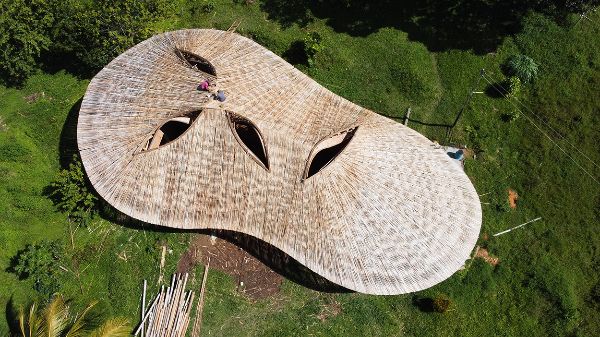
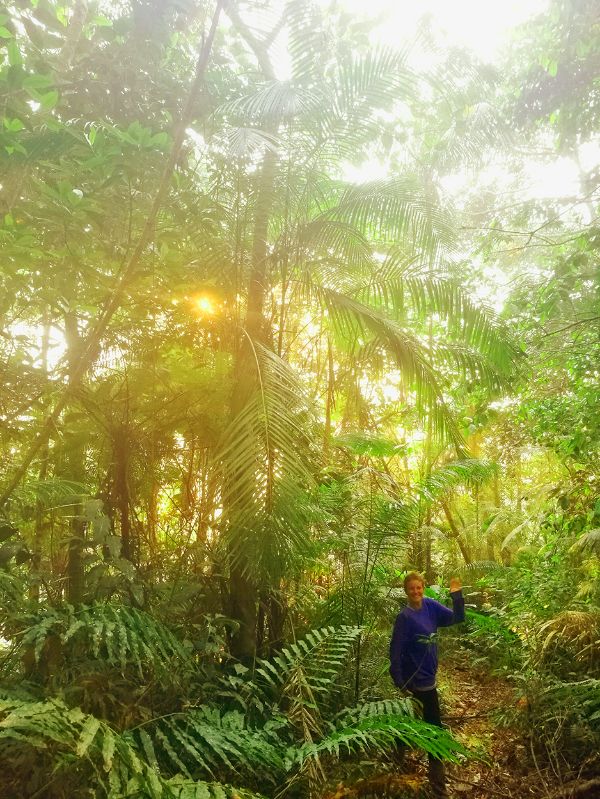
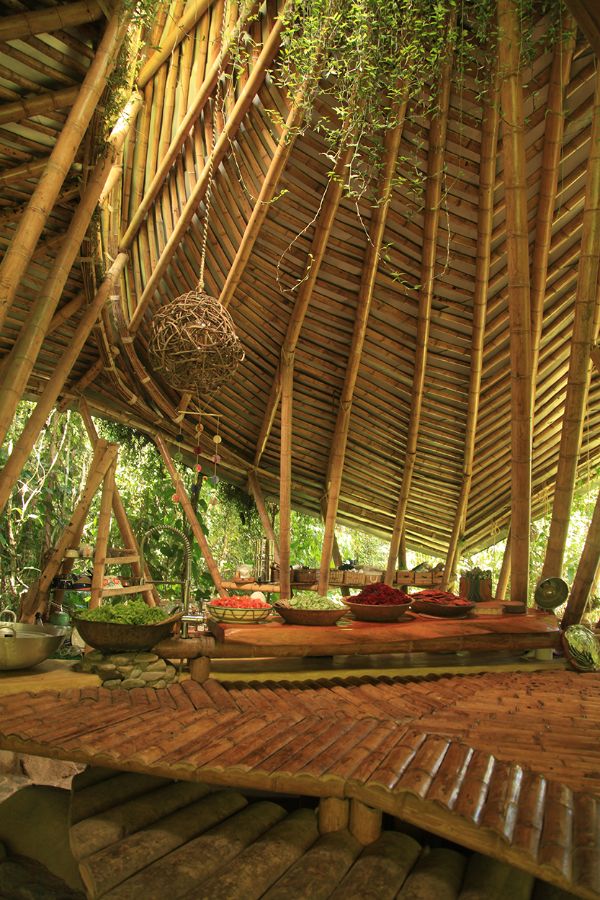
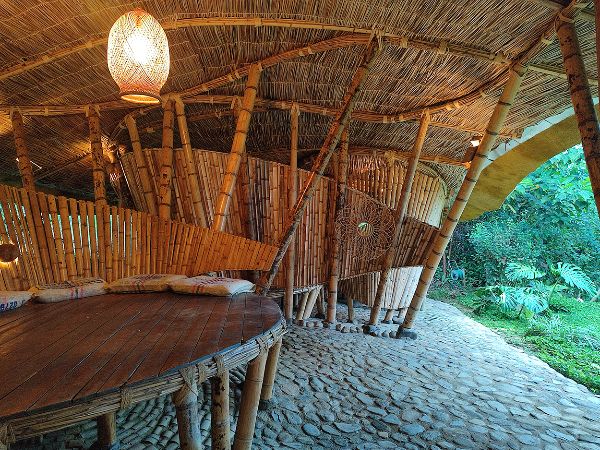
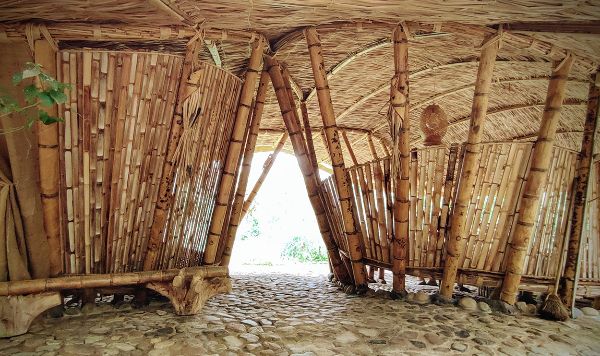
The Watersheds: Naranjos, Cristales, Uaicurú and Constellations all feed into the larger watershed of San Blas. Here lives the residential aspect of the Bamboo Village where we are creating bamboo sculptures for inhabitation nestled amongst rainforest, inspiring a natural, creative, rooted and spiritual culture of living.
The Springs: are the water sources for several of the watersheds. They are in a process of reforestation, enabling an abundance of pure and vital water into the future.
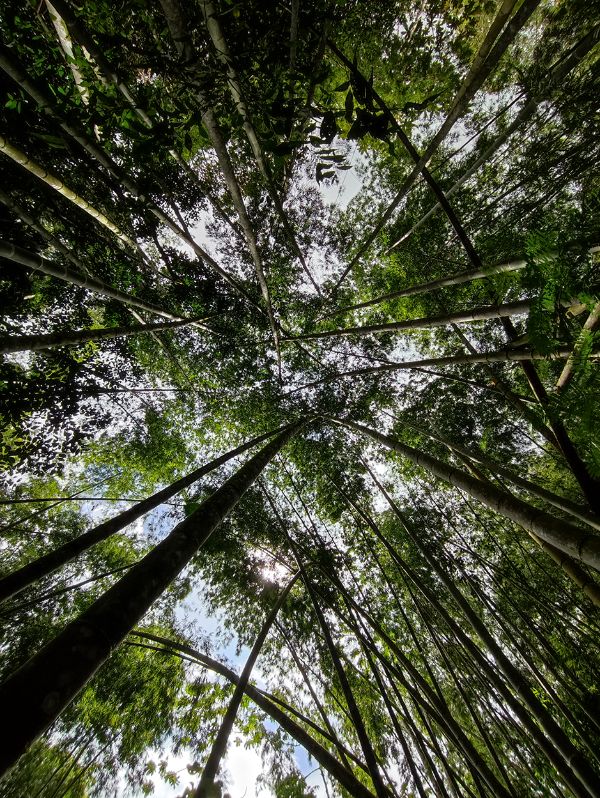
The Groves: are the frontage to the Bamboo Village, comprising the expansion and restoration of ancient bamboo groves, inea lagoons, native forests and beautiful river openings.
All lands mentioned above are seen as nature reserves that include human dwelling.
Spatial Vision and Ownership Model
We dream to create a place where our everyday actions honour the aliveness of earth and bring us closer to our purest selves. The dream is a spatial vision, crafted by five principles:
* Watersheds
* Glades
* Balanced density
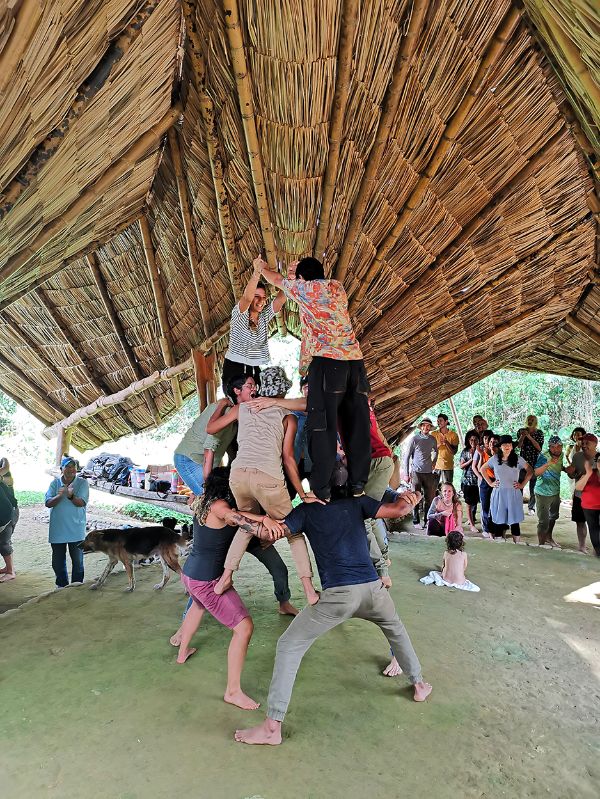
* Sculptural architecture
* Bamboo
Each wathershed has its own title deeds (Escrituras). Each watershed contains a number of glades, as defined in the Bamboo Village Spatial Vision. Each glade is owned privately by village residents (family, couple or individual).
The Title Deeds for a watershed are held as a ‘Proindiviso’ (a legal framework for Co-ownership) by the residents of the glades in that watershed. All land in the watershed that is outside of the glades is held in co-ownership by all owners in the watershed.
Ownership of a glade comes with rights of access to water in the Springs and rights of access and enjoyment of the Bamboo Village Frontage (the Groves).
Every watershed will have a decision making group called the Watershed Circle, which is composed of one representative of each glade in the watershed. Each glade has a vote in every decision considered by the Circle.
In summary, a sculptural house in the Bamboo Village comes with 5-to-8 hectares of land (1 hectare private glade, and the equivalent of 4-to-7 hectares distributed throughout protected forest surrounding the glade, a reserve with water springs, and the groves).
Building your House
A house can have a transformative effect on our inner being and our way of relating to nature. Creating a home with bamboo in the tropics offers huge design potentials in this way. The Bamboo Lab facilitates an initial design session which enables Glade owners to connect with these possibilities and build the house of their dreams.
The construction process can be an experience of delight. We envision two options:
* Many creative people with talent in using their hands to shape the world are drawn to live in nature and love to build their own home. The Bamboo Lab is available to support this process as required.
* For those whose creativity is in other fields different from construction, we can put you in touch with teams of local builders that are trained in bamboo construction to set out and complete the construction of your dream home.
Looking to the future…
We believe that a coming together of those attracted to this spatial vision allows for the emergence of a social fabric of like-mindedness, co-creation and celebration. As the village grows the Groves will become, more and more, a place for initiatives led by those living in the Valley of San Blas. We envision a co-creation of outwardly facing spaces that activate the social dynamics of the valley, for example a restaurant or a healing centre in a magical opening in the Groves.
The Ekawa Bamboo Village is a sanctuary for creativity & healing which holds space for inspired living immersed in rainforest life.
1. The applicant sends an expression of interest to Ekawa.
2. Ekawa sends the applicant the Bamboo Village Vision Document along with a questionnaire.
3. Further video calls and messages can be arranged for both parts to connect and feel if there is a synergy.
4. If both parts feel there is like-mindedness, a visit to the Bamboo Village can be arranged. We strongly recommend that applicants get to meet the territory and other neighbours in the Bamboo Village, in person, and for other neighbours to meet them. Having said that, we are open to advancing this process online for families/individuals with exceptional circumstances that cannot travel at the time of applying.
5. If the applicant finds a glade that they fall in love with, and feels that the lifestyle in a bamboo home is what they aspire to, they can put forward a petition to purchase a specific glade.
6. Ekawa will review the petition and respond in alignment with it’s vision and after consulting with other Bamboo Village neighbours.
7. A legal purchase can then take place and the applicant becomes a new neighbour within the Ekawa Bamboo Village.
Online: www.ekawa.co
In Person: Let us know your intention of visiting at ek************@***il.com. We’d love to hear from you!
There is an international airport in Medellin, 3.5 hours by car from where we are. From the airport it is easy to organise private transport (taxi) or public transport (buses to San Carlos).
A few people (not elected by the broader community) make the major decisions.
Decisions proceed unless someone has a reasoned objection.
Organized in circles or domains with distributed authority.
Every watershed will have a decision making group called the Watershed Circle, which is composed of one representative of each glade in the watershed. Each glade has a vote in every decision considered by the Circle. The Watershed Circle makes decisions about the following topics:
* General maintenance of the common areas in the watershed, such as paths, roads, access to glades, gates, reforestation projects in the common area, fences of the watershed, etc.
* Approving tourism projects within the watershed.
* Any re-sale of a glade will need to be approved by the Watershed Circle.
* The types and quantities of animals that can be kept in each glade.
* Conflict resolution within the watershed through techniques such as non-violent communication.
Members maintain separate personal finances with minimal sharing.
Join fee: $40000
Regular fees: $50
Labor: Encouraged or suggested
Members with pre-existing debt: allowed
The Bamboo Village is a spatial vision which encourages a certain type of peaceful yet active lifestyle and attracts a particular, adventurous type of personality. The intention is for a social vision to emerge through the participation of Village residents, bringing about initiatives which will contribute to life in the Valley of San Blas and create a mode of financial income for those involved, also contributing to the local economy. Ideas may include: an alternative to mainstream schooling; agricultural projects; bamboo grove expansion; wholesome lifestyle experiences; restaurant / cafe; healing and therapeutic rituals and spaces.
The invitation is for a flourishing of projects which nourish the expression of meaningful action that stems from deep insight and emerges as a symbiosis with nature and with each other. The focus is to enrich life in the neighbourhood rather than to create a touristic project, although it is appropriate for a gentle flow of like-minded people who live in other places to nourish the valley socially and economically.
The Groves are ready for these public-facing projects and initiatives to grow, creating the experience of encountering a special place nestled amongst nature. Expressions of Interest to organise activities or create built spaces in the Groves can be presented to Ekawa at any time.
Common House, Garden(s), Swimming pond or pool, Waterfront access
Countryside locations with significant distance from urban centers.
Private homes with shared common facilities, designed for neighborly
interaction while maintaining independence.
Integrated communities designed around ecological principles with sustainable living practices.
Geographically close groups of independently-owned homes whose residents actively cultivate community relationships and shared values.
Connecting people and communities through an intentional online marketplace
There are no needs and offers
We use cookies to improve your experience on our site. By using our site, you consent to cookies.
Manage your cookie preferences below:
Essential cookies enable basic functions and are necessary for the proper function of the website.
These cookies are needed for adding comments on this website.
Statistics cookies collect information anonymously. This information helps us understand how visitors use our website.
Service URL: policies.google.com (opens in a new window)
A residential project: people live here as their primary home.
An institution, business, network, or project that isn’t a residence (e.g. a learning center, farm, or network with no one living there full-time).

{{ item.label }}
{{ item.value ? item.value : currencyFormat( item.amount ) }}
Subtotal
{{ currencyFormat( pricing_summary.total_amount ) }}
There are no results matching your search