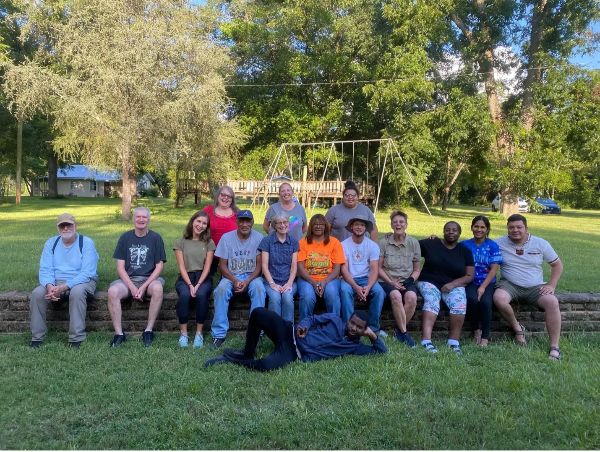
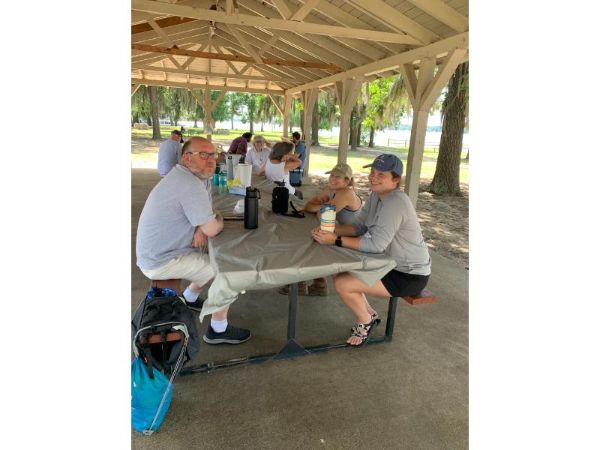
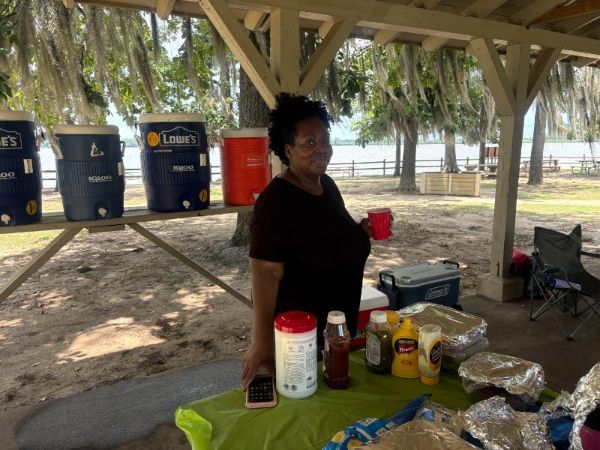
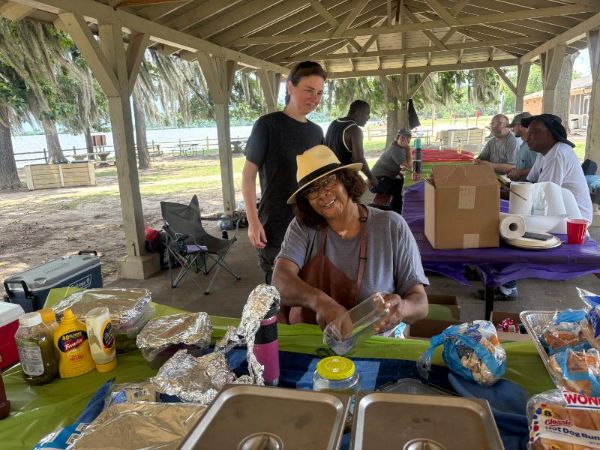
Group of diverse people sitting on a grassy field with trees and playground in background.

Koinonia Farm, Inc.

  • Communities

About the Communities

  • Established
  • Spiritual
  • Rural

Founding year

  • 1940

What we do

Koinonia Farm was founded in 1942 by Clarence and Florence Jordan and Martin and Mabel England as a “demonstration plot for the Kingdom of God.” This meant creating a community of believers who shared their lives and resources, modeled after the first communities described in the Acts of the Apostles. Soon, other families joined, and visitors were invited “to serve a period of apprenticeship in developing community life based on the teachings and principles of Jesus.”
At Koinonia, we shared not only faith and resources but also labor. Farming for our livelihood, we worked in harmony with the land, striving “to conserve the soil, God’s holy earth,” as Clarence Jordan said. Koinonia was a house church, but we were also active members of local congregations. From the beginning, Koinonians emphasized the brotherhood and sisterhood of all people. We treated Black and white workers equally, paying fair wages and ensuring that everyone, regardless of race, sat together for meals and prayer. Our commitment to racial equality, pacifism, and economic sharing sparked violent opposition in the 1950s. The Ku Klux Klan and others tried to drive us out using bullets, bombs, and intimidation. In response, we held fast to prayer, nonviolent resistance, and our commitment to living out the Gospel.
As a result of the boycott that followed, no one in Sumter County would buy from or sell to us, making farming impossible. To survive, we started a mail-order business, which eventually grew into today’s online store and remains our primary source of income, sustaining our life and work.
When the violence ended and the boycotts eased, one of the most well-known projects Koinonia pursued was building affordable homes for and with our neighbors. Clarence Jordan also devoted himself to translating the New Testament from the original Greek into South Georgia vernacular. In his writing shack nestled in the pecan orchards, he penned the Cotton Patch Version and prepared for nationwide speaking engagements. In that same shack, Clarence passed away suddenly in 1969 while preparing a talk he was to give at Mercer University.
Koinonia continued the work of its founders. The housing initiative, known as Koinonia Partnership Housing, eventually separated and became the renowned Habitat for Humanity when two Koinonia members, Millard and Linda Fuller, expanded the ministry globally with the community’s support. When the Fullers left Habitat in 2005, they founded The Fuller Center for Housing and held its first board meeting at Koinonia, honoring the farm as its birthplace. Koinonia has also helped launch other organizations dedicated to social justice, including Jubilee Partners, a community that welcomes refugees.
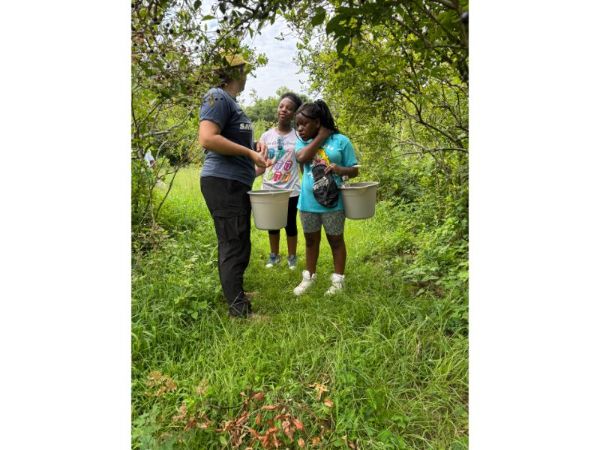
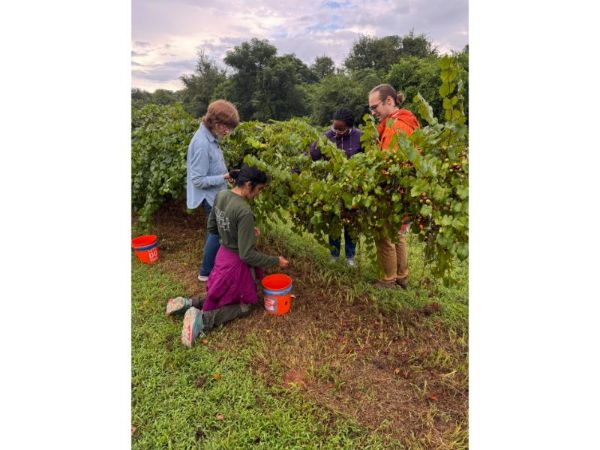
Today, our focus is to Feed the Hungry, both physically and spiritually. We farm on a small scale, producing pecans, grapes, blueberries, and vegetables. Our hospitality ministry continues to renew and transform countless visitors, while our internship program welcomes people of all ages and backgrounds to explore community and discipleship. We continue to work for social justice, responding to the needs and challenges of our time in whatever way we can with the people and resources we have at any given time. Come and see!

Our Mission

We are called to live together in intentional community, sharing a life of prayer, work, study, service, and fellowship. We seek to embody peacemaking, sustainability, and radical sharing. While welcoming people of all backgrounds and faiths, we strive to demonstrate the way of Jesus as an alternative to materialism, militarism, and racism.

  • Purpose
  • Spiritual
  • Community type
  • Spiritual Retreat Centers
  • Activities
  • Experiences
  • Services Business

Commemorative dates

  • January 1, 1940
  • Started planning
  • January 1, 1942
  • Started living together
  • 10 Total members
  • Open to new members
  • Open to visitors
Total
20

How to join

Membership at Koinonia Farm is a years-long process that begins with a visit.

Basic expectations or agreements for members

Go online to koinoniafarm.org and click on the visit tab.

Primary decision-making authority

  • Small Leadership Group

A few people (not elected by the broader community) make the major decisions.

Decision-making process

  • Modified Consensus

Generally seek agreement, but have backup methods when consensus isn’t reached.

Governance structure

  • Collaborative/Horizontal

Power and responsibility are shared relatively equally among members.

Economic model

  • Partial Income-Sharing

Members contribute a percentage of income to community funds.

Economic scenarios for this community

  • Members need to pay fees, dues, or similar to live there on a per month or per year basis
  • There is a labor obligation

Additional economic information

Regular fees: Yes
Labor: Yes
Members with pre-existing debt: allowed

Shared resources and amenities that are accessible to everyone in the community

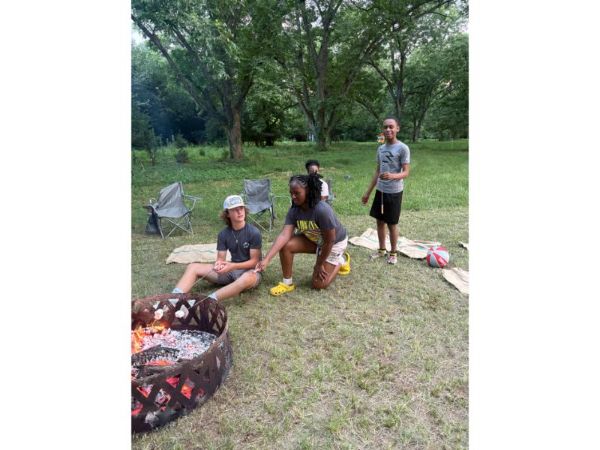
Common House, Garden(s), Greenhouse(s), Vehicle Share, Library, Workshop, Outbuilding(s), Large Scale Kitchen, Tractor & Farm Equipment, Fire pit, Swingsets & play areas, Internet

Frequency of communal meals

  • 2-5 times per week

Significant food acquisition practices

  • Locally sourced

Dietary type

  • Vegetarian Only

Dietary restriction

  • People can cook and eat what they want in their own residence

Community activities and engagement

  • Volunteer, Internship, or Apprenticeship, or WWOOF’ing
  • Ethical Business, Investment Group, or Alternative Currency
  • Festivals, Conferences, Events

Substance use culture

  • Substance use occurs primarily at celebrations or ceremonies
  • Substance use is prohibited in the community

Gender composition

  • Roughly balanced (no group over 60%)

Age demographics

  • Mixed adults (few or no children)

Property status

  • Privately owned

Property owner

  • By a Community Land Trust or some other kind of nonprofit

Setting

  • Rural

Countryside locations with significant distance from urban centers.

Community type

  • Spiritual Retreat Centers

    Residential communities focused on providing space for meditation, spiritual practice, and personal growth retreats.

Self-produced energy

  • Up to 33%

Energy sources used

  • Photovoltaic Solar

Self-produced food

  • Up to 33%

Local, organic, or fair trade food

  • Up to 33%

Food systems

  • Community garden
  • Greenhouse / aquaponics
  • Land area size
    575 acres

Guest Book

Written reviews are available for plus members. Click here to upgrade.

Location

  • Georgia, United States

Needs and Offers

Offer
  • Communities with Openings
1 month ago

Rooms in Beautiful Location in downtown East Austin

Mountain Laurel House has upcoming room openings on August 1 and September 1 to share our house in central East Austin close to downtown. Rent is $925 per month with $75 to cover your share of the utilities and maintenance. You provide your own food. We enjoy sharing a meal at the dining table at least once a month for fun, to check in on our lives, and talk about housekeeping together. To apply, email do*************@***il.com with subject line Room at Mountain Laurel House. Request the brief application questions and we’ll provide more info and answer your questions. Mountain Laurel House is in a great location! It’s on a green cul de sac, with a wooded lot to the southwest and a green open space to the west. It’s close to the East 11th & Rosewood dining and entertainment district and right across from the Carver Library and a bus stop. We’re in walking distance to downtown Austin, the State Capitol, Huston-Tillotson University and a short bike or bus ride to the University of Texas; and, south or east of here, Lady Bird Lake and Boggy Creek hike and bike trails, park lands, swimming pools, pickleball and basketball courts. I kayak on Town Lake aka Lady Bird Lake or swim just across downtown at Deep Eddy or Barton Springs fresh-water, spring-fed swimming pools. We enjoy sharing a meal at the dining table at least once a month for fun, to check in on our lives, and plan housekeeping together. HEB is a short 5 minute drive east on 7th St. and Whole Foods is about a ten minute walk from here on 5th St. Amenities in the house include a dishwasher, utility room with a clothes washer-dryer and an optional clothesline, high-speed internet, a big dining room table for meals or activities, and a large screen TV for movie nights. The yard has beautiful native wildlife habitat gardens, veggie and herb pots, a large Cedar Elm, two Live Oaks, a fruit-bearing Fig, a Champenelle grape vine, and a Chili pequin. The cul de sac is a large park-like
  • Promoted
Offer
Offer
  • Marketplace
6 years ago

Cohousing: A Contemporary Approach to Housing Ourselves Books for Sale

Cohousing: A Contemporary Approach to Housing Ourselves, Charles Durrett and Kathryn McCamant introduce Cohousing with stories and pictures of both Danish and American communities. Beautiful photographs and line drawings illustrate the warmly written account of how these communities came to be. Specific information on legal and financial aspects of working with developers, group process, and design issues make this book informative as well as inspiring. This is the book which brought Cohousing to North America. This book is the much prized second edition which has become a rarer and somewhat of a collectors item. Its community case studies were not included in the more recent publication. It preceded Creating Cohousing which is widely available. I acquired 25 cases from a local distributor who closed down. If you would like three or more copies for yourself, to share with your friends or to market your group, please let me know. I would love for them to be made useful and find great homes. Books are paperback (hard copy was not an option at the time from the publisher) all brand new, in Oakland (CA) so could be picked in Oakland or mailed to you. I would very much like to recuperate what I paid which is $10 per book. So, If you would like three or more shipped, I will add the postage, packing and handling fees. I have sold several cases (18 books per case) for $150 per case ($8 per book). I have a little wiggle room on the pricing. Please let me know if you are interested. Use the Send Message button on this page.
Need
  • Communities with Openings
3 years ago

Twin Oaks, an established, income-sharing, village-scale community is seeking new members

Twin Oaks is looking for new members! Founded in 1967, Twin Oaks is an egalitarian, income-sharing community made currently 70 adults and 15 kids, living on 500 forested acres in central Virginia. Twin Oaks has strong social justice values including feminism, racial justice, and queer culture. We host a Queer Gathering and Women’s Gathering each summer, and we have a number of working groups around racial justice issues in general and in an intentional community context. Please visit our website twinoaks.org for more information and directions on how to apply for a Visitor Period. A Visitor Period is the first step towards becoming a member. We can offer: your choice of full-time work in our income-sharing community businesses (heirloom seeds, hammocks, and others) and/or domestic work areas from organic gardening to milking cows and cheese-making to office work to technical jobs and more! an individual room in shared housing; each member has their own personal bedroom and shares a kitchen, living room and bathroom with others in their house. Each residence has its own culture and range of ages. all meals are provided in our communal dining hall and/or in smaller kitchens for individual eating. We generally accommodate all special diets. (gluten-free, vegan, no garlic, etc.) income-sharing includes health-care and monthly stipend for extra We are looking for: people with various life skills and/or a willingness to learn people who share our values of social justice, sustainability and living closely with a diversity of people people with a generally responsible and pro-active approach to community living experience or interest in non-hierarchical, shared decision-making BIPOC, women and non-binary people especially encouraged The first step towards becoming a member is to participate in one of

Information

Communities

A residential project: people live here as their primary home.

Organizations

An institution, business, network, or project that isn’t a residence (e.g. a learning center, farm, or network with no one living there full-time).

Plus Community Memberhsip

  • Find people with Profile Match
  • Access to your community listing statistics
  • Create Discussion Groups
  • 50% commission when your members purchase a Plus Membership
  • Access to our affiliate program
  • Member badge on your community profile
I am an official member of this community
Disclaimer
I affirm that my information is accurate and I am authorized to manage this listing
Foundation for Intentional Community FIC Member badge logo.

Free Plan

Free Membership
Free

Intentional Advertising

  • Subtotal

    {{ currencyFormat( pricing_summary.total_amount ) }}

Icon representing community connections and collaboration for intentional communities.

Plus Membership

  • Find communities with Profile Match
  • View detailed reviews about communities
  • Direct message and view contact information
  • Create free listings in Needs & Offers
  • Plus Member resources in CommUniversity
  • Plus Member badge on your profile