
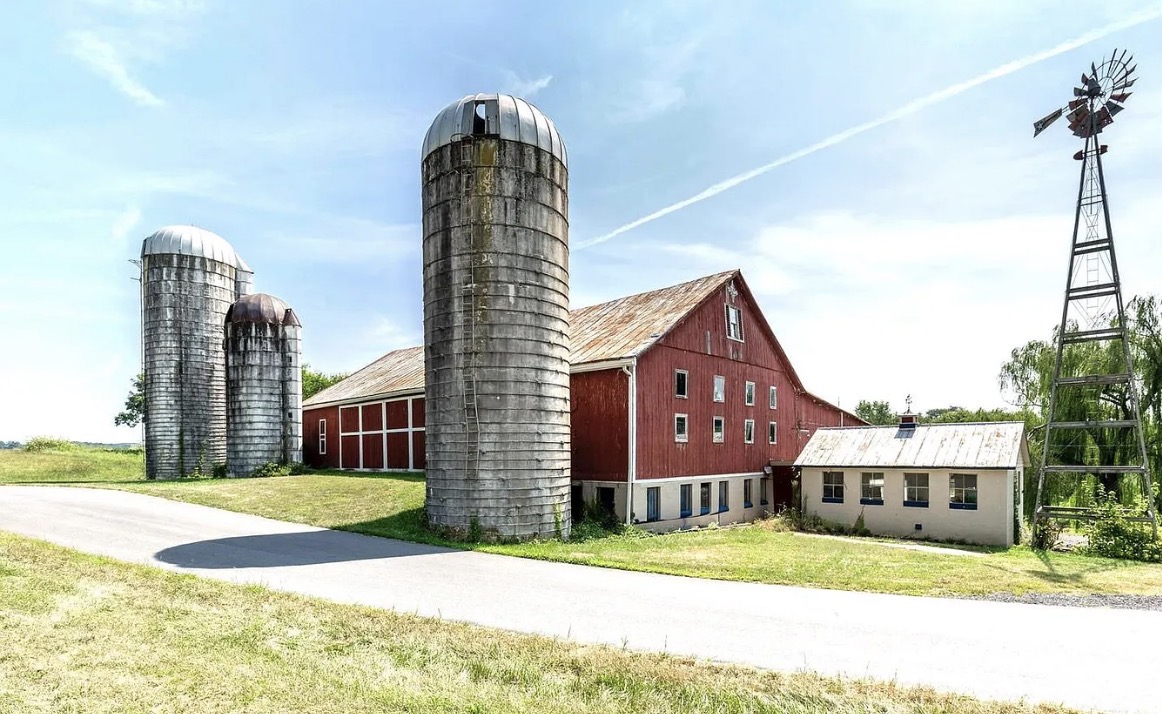
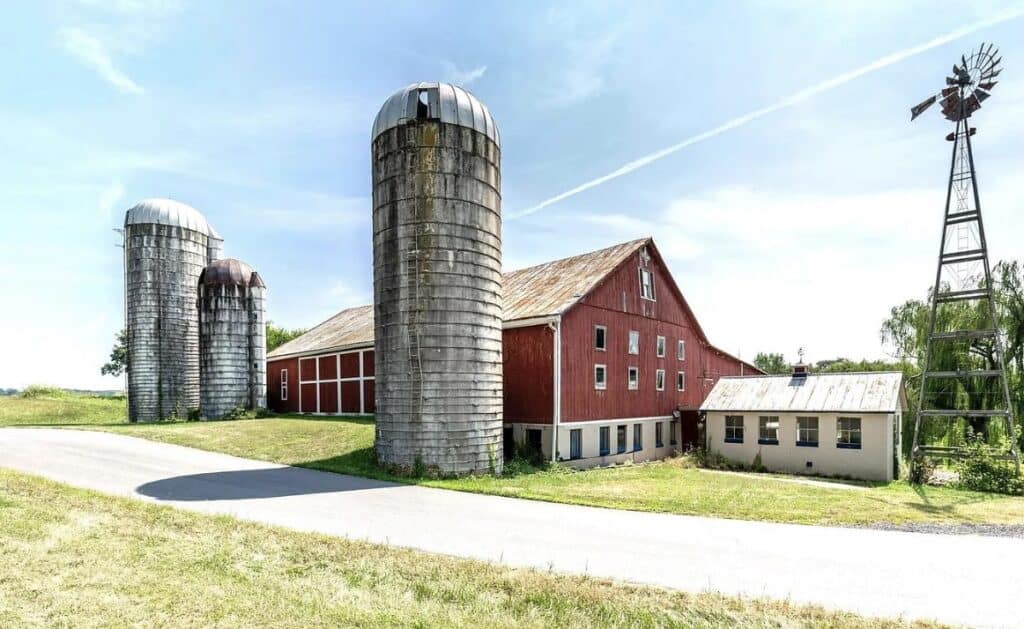
Traditional farm with silos, barn, and windmill under blue sky.

Healing Hearth Community Farm

  • Communities

About the Communities

  • Forming
  • Home-sharing
  • Rural

Founding year

  • 2025

What we do

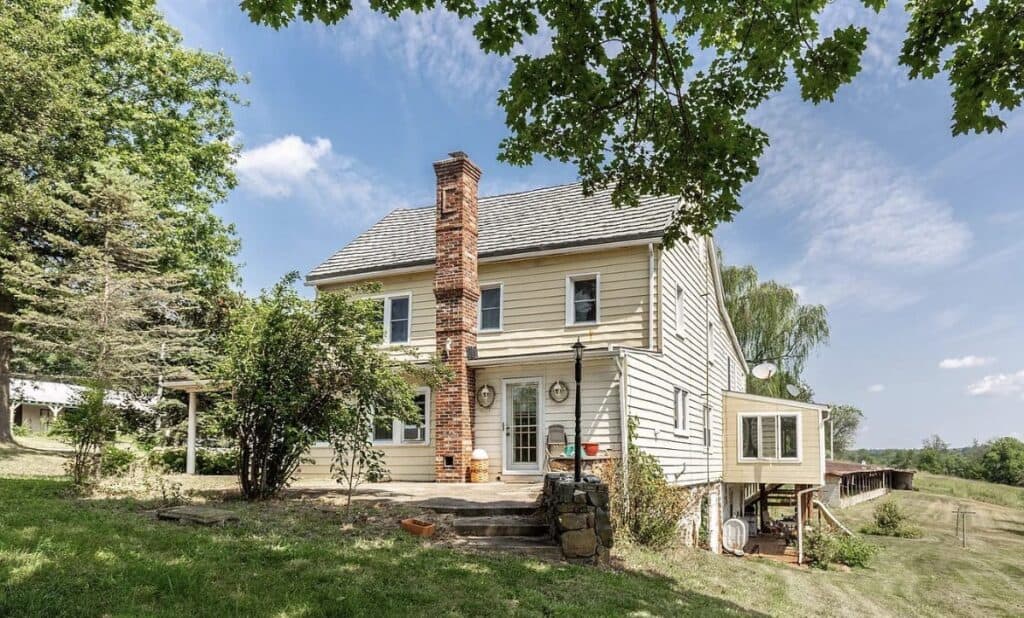
My wife and I are looking to start a matriarchal cooperative community focused on social change, progressive values, healing, and economic revolution. While I do identify as an idealistic dreamer, I am also a social worker working as a therapist and an attorney and I want to put these skills to use during these challenging times. I am hoping to perhaps transition to a more non-profit/community building type of work. My wife is currently in the military doing program management and will be retiring in 2.5 years. We have purchased a 10-acre farm with 6-bedroom farmhouse and are looking for renters to help us build this community and to provide different skill sets and/or financial help in growing the community. We may build an additional dwelling unit on the property down the line.

Our Mission

Shared Values-To have progressives come together to build support systems and to help push for social change together and to generally work on trying to make the world a kinder, more equitable, and healthier place.
Shared Health-To have a shared community kitchen (and eventually a business) where food is cooked that is local, homegrown and free of pesticides and toxins. To reduce toxicity from processed foods, unhealthy water, pesticides, social negativity, individualistic culture, etc.

  • Purpose
  • Home-sharing
  • Community type
  • Coliving
  • Sustainability practices
  • Renewable energy systems
  • Activities
  • Property management
  • Farming
  • Networking
  • Services Business

Commemorative dates

  • January 1, 2025
  • Started planning
  • January 1, 2026
  • Started living together

Gallery

  • 3 Total members
  • Open to new members
  • Open to visitors
Total
3

How to join

It starts off with an interview and a short-term rental, and then over time, individuals will be considered for business partnerships and/or shared property interests.

Basic expectations or agreements for members

Text or email us to set up a visit.

Primary decision-making authority

  • Small Leadership Group

A few people (not elected by the broader community) make the major decisions.

Decision-making process

  • Modified Consensus

Generally seek agreement, but have backup methods when consensus isn’t reached.

Governance structure

  • Collaborative/Horizontal

Power and responsibility are shared relatively equally among members.

Conflict resolution approach

Consensus model with majority vote if things are at a standstill after 2 meetings. Need to make sure everyone at least feels seen, heard and understood, before overriding consensus.
Conflict resolution would likely be mandatory until both sides feel seen, heard, and understood by the other side, even if they ultimately disagree.
Would really like an aspect where the community can work on emotional growth together as part of a healing culture.

Economic model

  • Partial Income-Sharing

Members contribute a percentage of income to community funds.

Economic scenarios for this community

  • There is a one-time fee, investment, or share purchase to join the community separate from accessing housing
  • Members need to pay fees, dues, or similar to live there on a per month or per year basis
  • There is a labor obligation

Additional economic information

Join fee: $700
Regular fees: Yes
Labor: Yes
Members with pre-existing debt: allowed
We might consider some business models with community kitchen/garden and farm stand/shop. We may also be purchasing sheep to graze in the field and poultry for insect control/egg production.
I would likely try to find potential investors for some of these initiatives from other local communities. So we would need a mix of investors and people to help run and organize the businesses. We would also be interested in other business models like non-profits to maybe get help with grant funding if we can find someone skilled in that type of work.
The shared property would include things like: greenhouse & garden spaces, fish pond, swimming area, and a business (mostly kitchen/garden that sells local products/services to help absorb costs and build a source of funding for projects that can help the community continue to grow and work on more projects), maybe solar panels and other off-grid electricity, some shared vehicles/trucks, time bank (1 hour for menial, 2 hours for intensive work, 3 hours for professional work), non-profit (around sustainability, affordable housing, and healthy living).

Vehicle accessibility

  • There are car sharing opportunities in your community

Shared resources and amenities that are accessible to everyone in the community

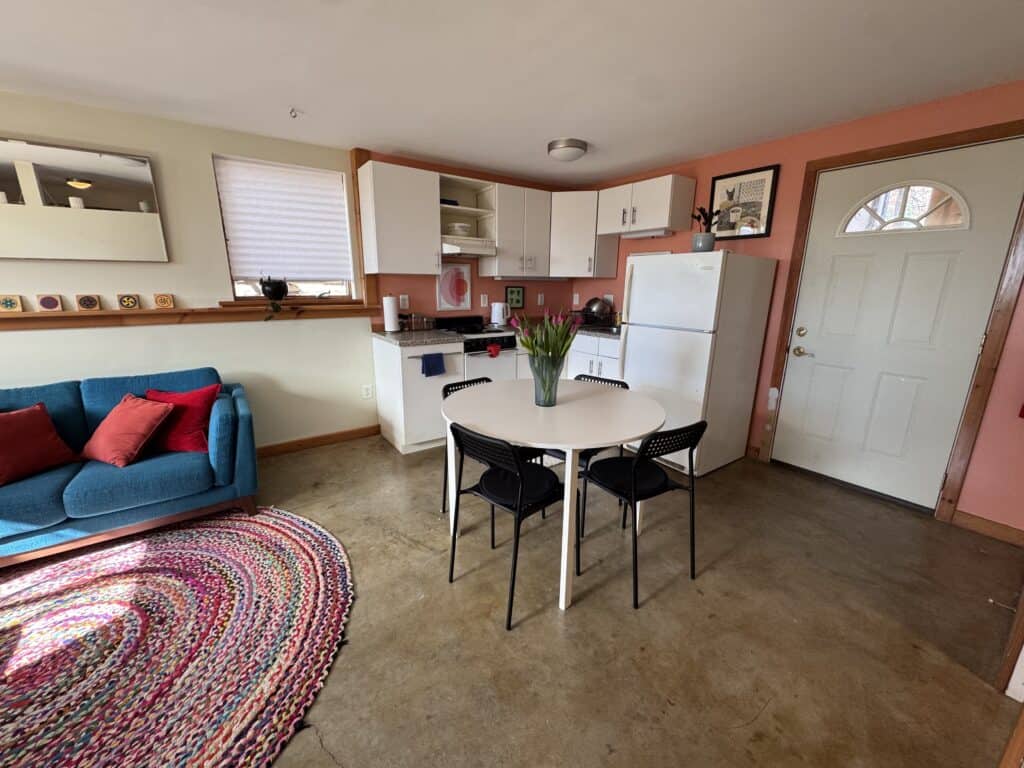
Common House, Garden(s), Greenhouse(s), Vehicle Share, Workshop, Outbuilding(s), Outdoor Kitchen, Large Scale Kitchen, Fire pit, Recreational vehicles

Frequency of communal meals

  • 2-5 times per week

Significant food acquisition practices

  • Locally sourced

Dietary type

  • Vegetarian Only

Dietary restriction

  • People can cook and eat what they want in their own residence

Community activities and engagement

  • Neighborhood, Community Housing, or Homeowner's Association
  • Ethical Business, Investment Group, or Alternative Currency
  • Organization, Resource, or Network
  • WWOOF'ing, Guest Farming
  • Religions
  • Unitarian Universalist

Gender composition

  • Majority cis (over 60%)

Age demographics

  • Mixed adults (few or no children)

Property status

  • Privately owned

Property owner

  • By several individuals through an LLC or a Tenancy In Common agreement

Setting

  • Rural

Countryside locations with significant distance from urban centers.

Community type

  • Coliving

    Shared living spaces with private bedrooms/bathrooms and communal
    kitchens, dining, and social areas.

Sustainability approach

  • Renewable energy systems

Self-produced energy

  • Up to 33%

Self-produced food

  • Up to 33%

Local, organic, or fair trade food

  • Over 66%

Food systems

  • Community garden
  • Greenhouse / aquaponics
  • Livestock / poultry
  • Land area size
    10 acres

Guest Book

Written reviews are available for plus members. Click here to upgrade.

Location

  • Maryland, United States

Healing Hearth Community Farm

Needs and Offers

Connecting people and communities through an intentional online marketplace

  • Promoted
  • Events
2 days ago

Coastal Regeneration Immersion: Permaculture Design Certification in Jalisco, Mexico

Tropical Dry Forest Permaculture Design & Regenerative Stewardship Certification (PDC)12-Day Intensive | 120 Hours | Costalegre, Jalisco, Mexico APPLY AT XOCHIRAIZ.COM Join us for an immersive Permaculture Design Certificate course set in the tropical dry forest bioregion of coastal Jalisco. This 120-hour intensive blends internationally recognized PDC curriculum with hands-on regenerative practice — combining ecological design, agroforestry, natural building, and community stewardship into one integrated learning experience. Lead Faculty Jorge Luis Gtz. Olarte (Arborescencia RedGenerativa) – Regenerative Design, Soil Biology & Agroforestry Ozzy Lusth (Survior & Xochiraíz) – Wilderness Resilience & Survival Skills Dave Collins (Capacha Coastal Conservation Center) – Bioarchitecture & Ecological Development What You’ll LearnThe course moves through six progressive phases: Permaculture & Ecological Literacy – ethics, principles, and reading the tropical dry forest landscape Water & Soil Systems – keyline design, water harvesting, living soils, and compost systems Horticulture – food garden design, propagation, and biological pest control Regenerative Food Systems – tropical agroforestry, food forest design, and guild planting Ecological Infrastructure – bamboo bioarchitecture, bioclimatic farm design, compost toilets, greywater, and rocket stoves Integrated Design Studio – team-based final design projects covering watershed strategy, agroforestry, food forest layout, infrastructure, and phased implementation Daily RhythmMornings begin with optional surf/yoga and journaling, followed by field practicums and hands-on workshops. Afternoons include design studio and construction lab work, with reflection circles, communal dinners, and evening talks, films, or campfire discussions rounding out the day. Final ProjectParticipants work in teams to produce a full regenerative design package — landscape analysis, water plan, agroforestry design, food forest plan, ecological infrastructure, and bioclimatic farm plan — presented to a faculty review panel on the final day, followed by a closing ceremony, certificate delivery, and community feast. CertificationGraduates receive the Tropical Dry Forest Permaculture Design & Regenerative Stewardship Certification (120 contact hours), hosted by Capacha Coastal Conservation Center and Tierralegre, A.C. Curriculum integrates international PDC standards with tropical ecology, agroforestry, ecological restoration, bamboo bioarchitecture, bioclimatic design, GIS/photogrammetry, and regenerative leadership. Highlights Hands-on bamboo construction (temazcal, bathhouses, sculpture) Tropical dry forest silviculture practicum Community mapping and design project for Ekoa Green Community Talent show and sea turtle release
January 10, 2027 00:00 – January 24, 2027 23:59
  • Promoted
Offer
Offer
  • Real Estate For Sale
3 weeks ago

Lots of Goodness

Are you seeking to live in a sustainable, wellness-oriented community that prioritizes nature and environmental conservation? Lot 6 in the Living Well Ecovillage offers the perfect opportunity to be part of a vibrant, self-sufficient community committed to holistic health and ecological harmony. This lot, approximately 1/3 acre in size, is equipped with city utilities and fiber internet access. It is located in a unique mixed-use community with a variety of land uses planned for the future, including small business/commercial spaces, tiny houses, cluster housing, and a 10-acre farm. Your home could face the street or look North to the Living Well Park &  Pavilion where we enjoy many activities together as a Community.  Lot 6 would be ideal for someone who wanted to be close to the action.  Maybe you’d like a large, shared home. Or a business location. The Ecovillage is home to a diverse range of homes, such as timber frame, Deltec, hempcrete, and Net-Zero energy designs—all built with green building principles in mind. This community prioritizes sustainability and wellness in every aspect of life. About the Living Well EcovillageSpanning 126 acres, the Living Well Ecovillage is bordered by the Deep River and Sandy Creek, offering stunning natural beauty and a tranquil environment. The Ecovillage includes shared spaces like a community garden, a Greenway/Rail Trail, and a neighborhood park. Over 53 acres of natural land buffer the river and creek, preserving the area’s pristine beauty and offering residents a true connection to nature. Your Dream Home AwaitsLot 6 is the ideal spot to build your sustainable home, surrounded by trees, rock outcroppings, and abundant wild edible plants. Experience breathtaking views and a peaceful setting, perfect for those seeking a slower, more connected way of life. A Community That Supports WellnessThe Living Well Ecovillage is not just about space—it’s about community. With access to the Folk School, residents engage in hands-on learning, sustainable practices, and personal growth, fostering a sense of belonging and purpose. Perfectly LocatedJust two miles from Highway 64 in Franklinville, North Carolina, the Ecovillage is easily accessible to Greensboro, Asheboro, and Siler City, and a short drive from Raleigh, Durham, and Charlotte. It’s centrally located between the mountains and the ocean, with easy access to cultural and recreational amenities. Join Us in Building a Better FutureLot 6 offers more than just land—it’s an opportunity to be part of an established community with a shared vision for a sustainable, resilient future. Ready to start the next chapter of your life in the Living Well Ecovillage? Visit Living Well Ecovillage for more information and to explore your future home. For an aerial and street level view, visit Google Maps.
Offer

Update to a Public Profile

  • Log in
  • Go to your profile page
  • Toggle on the "Add my profile to the directory"
  • Save your profile

Information

Communities

A residential project: people live here as their primary home.

Organizations

An institution, business, network, or project that isn’t a residence (e.g. a learning center, farm, or network with no one living there full-time).

Plus Community Membership

  • Find people with Profile Match
  • Access to your community listing statistics
  • Create Discussion Groups
  • Access to our affiliate program
  • Member badge on your community profile
I am an official member of this community
Disclaimer
I affirm that my information is accurate and I am authorized to manage this listing
Foundation for Intentional Community FIC Member badge logo.

Free Plan

Free Membership
Free

Intentional Advertising

  • Subtotal

    {{ currencyFormat( pricing_summary.total_amount ) }}

Icon representing community connections and collaboration for intentional communities.

Plus Membership

  • Find communities with Profile Match
  • View detailed reviews about communities
  • Create free listings in Needs & Offers
  • Plus Member resources in CommUniversity
  • View communities detailed reviews
  • Plus Member badge on your profile