Creative people are welcome. We like building things and growing things.
Projects that might interest potential new people:
Setting up rain catchment systems on all the rooves
Building a business selling soap making kits including powdered goat’s milk (we got the freeze dryer and have enough solar panels to run it)
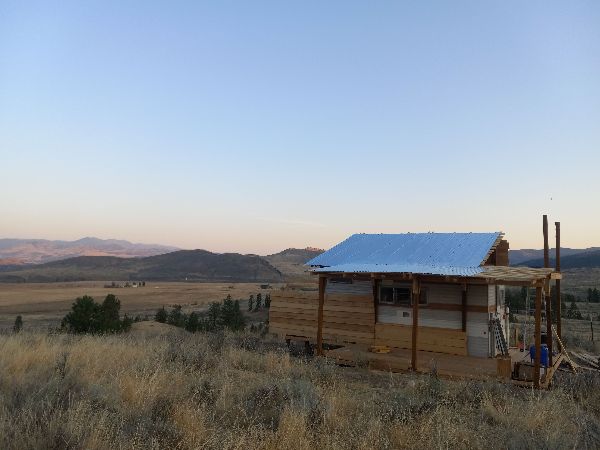
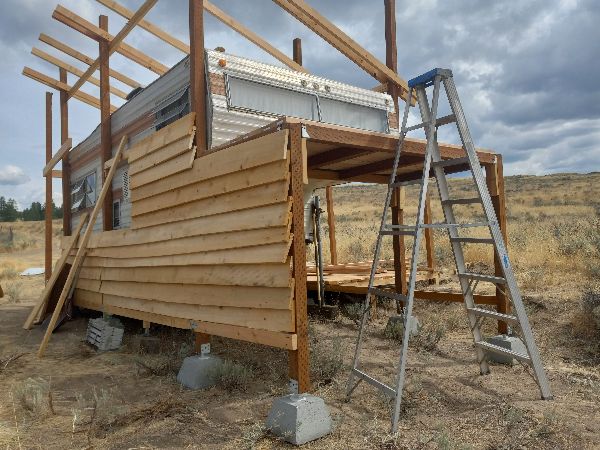
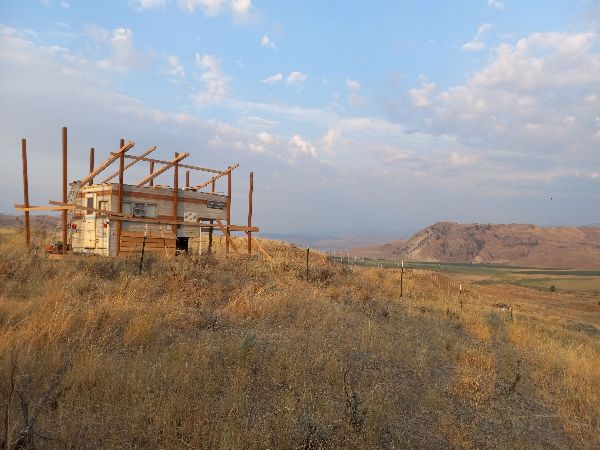
Repairing and remodeling campers
Pallet-based construction
Setting up small-scale solar power systems
Gardening (no one is doing this right now, but you can, just make sure you protect it from the goats)
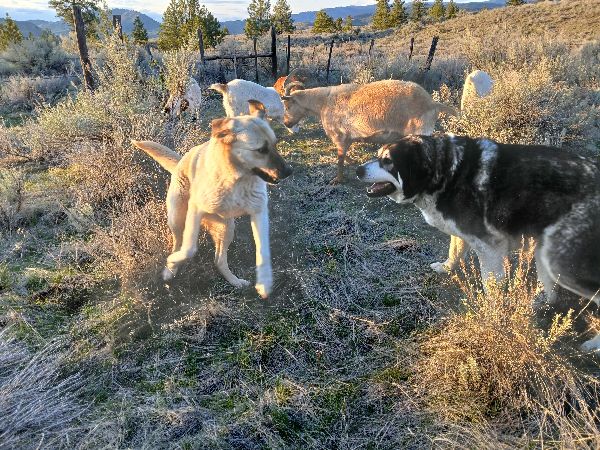
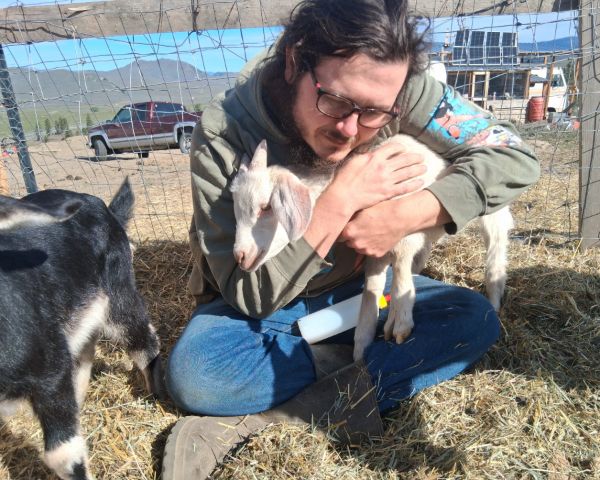
Caring for and milking goats, collecting eggs, etc.
Preparing food made from all the milk and eggs our animals produce
If you want to visit, please know that temperatures can range from 110+ to 30 below. We’re at 1800 feet elevation, and changes are sometimes swift! It’s beautiful though.
We welcome humans of all ages from all ethnic backgrounds, gender expressions, and sexual orientations.
We raise livestock, and we do sometimes cull and eat animals that we raise. Slaughter is done with respect and care, and only as the need arises. We do not raise any animals for this sole purpose. Visitors are welcome to observe and participate if they approach the process with sobriety, respect, and the willingness to be involved in all aspects of caring for the animals during their lives as well as the processing, food production, and cleanup after they are slaughtered.
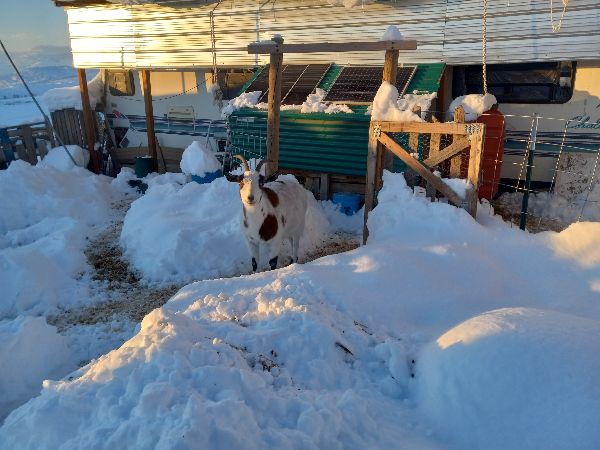
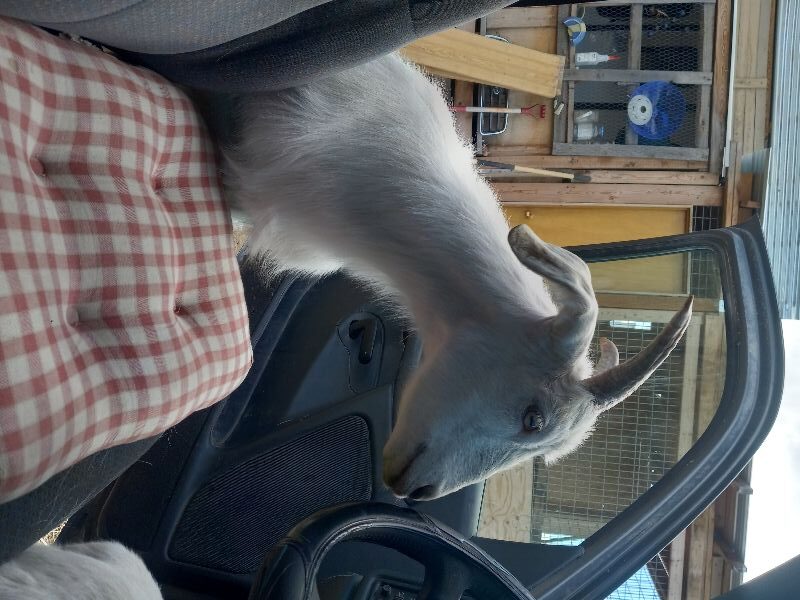
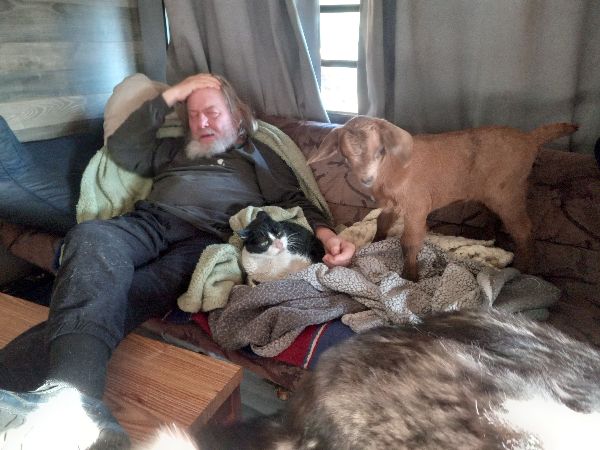
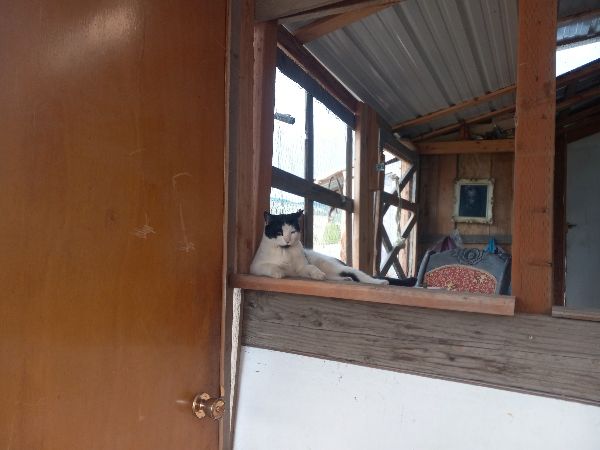
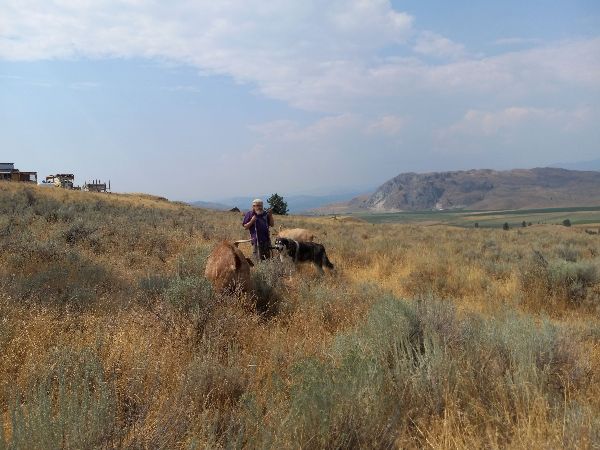
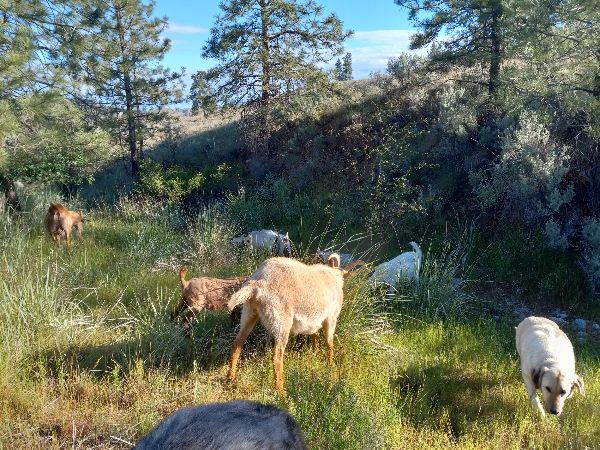
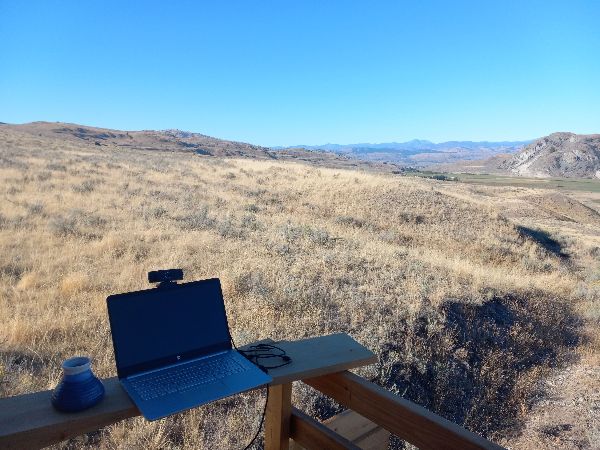
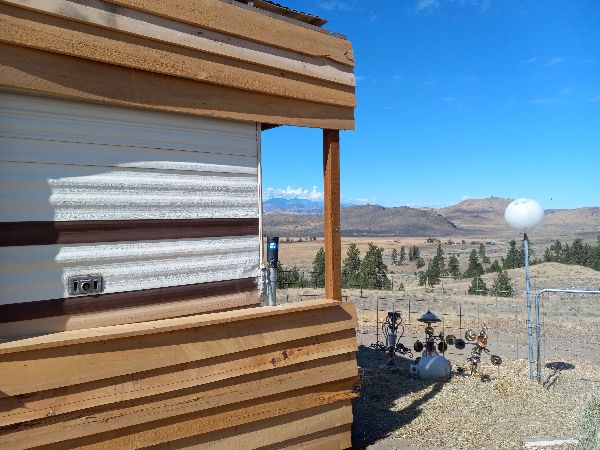
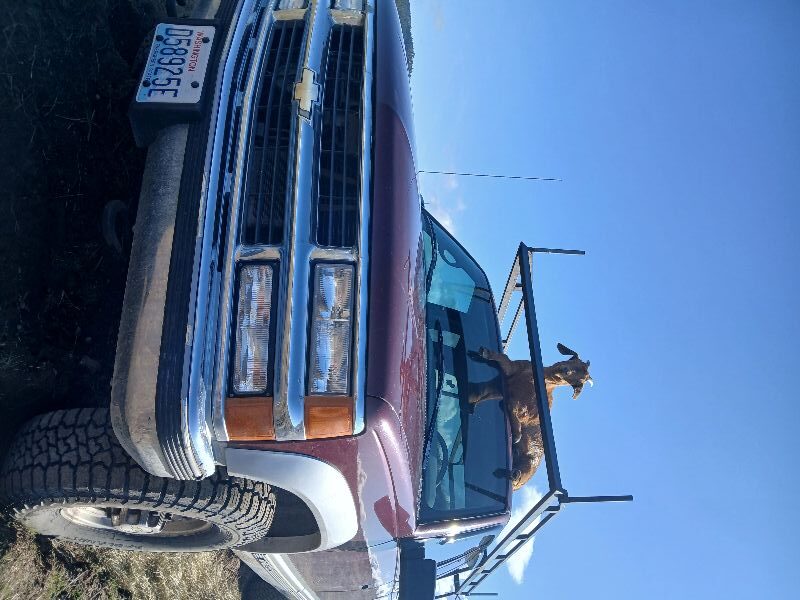
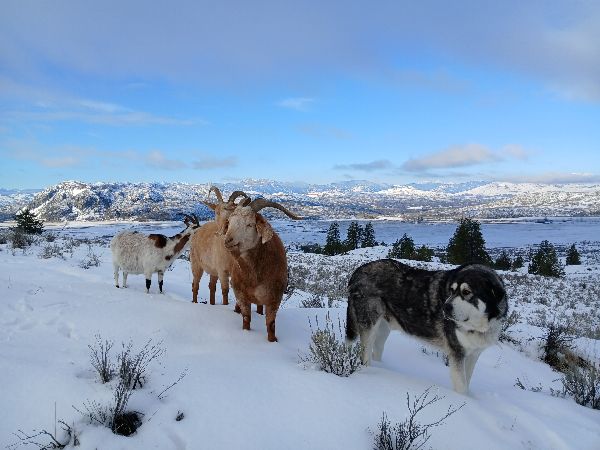
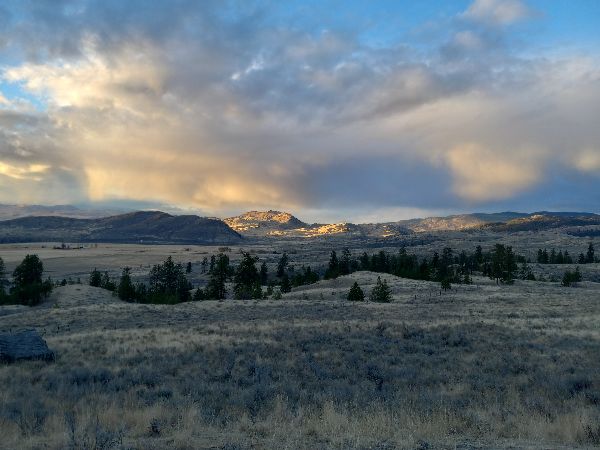
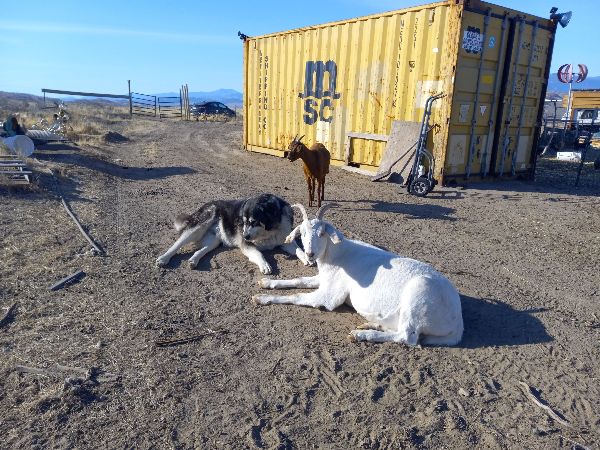
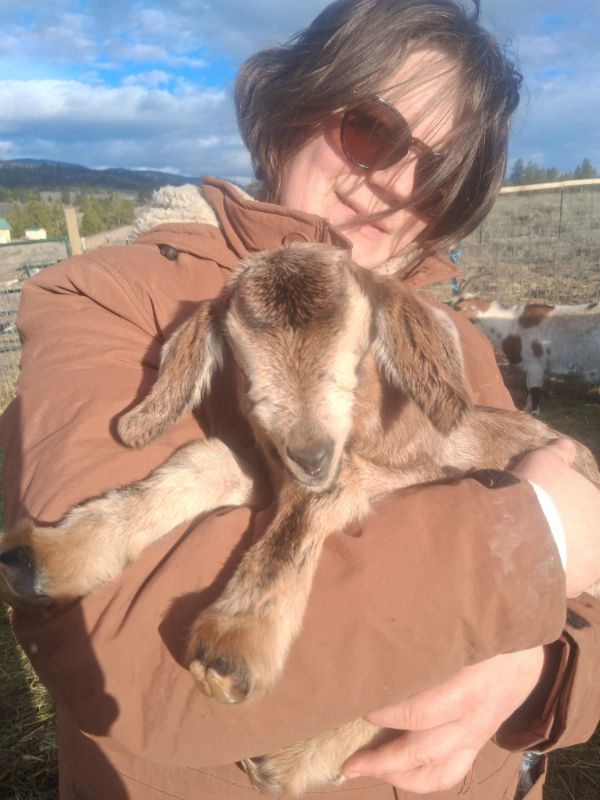
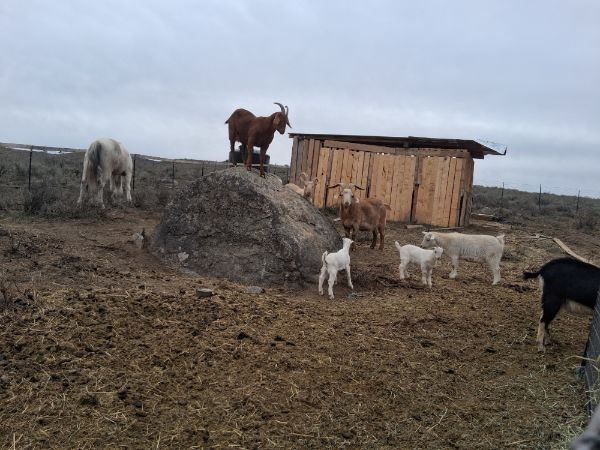
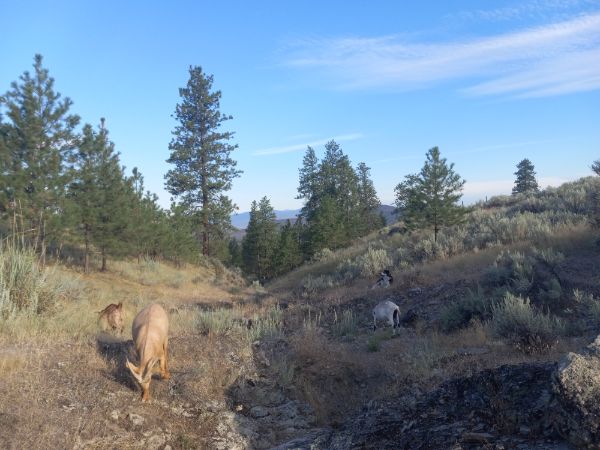
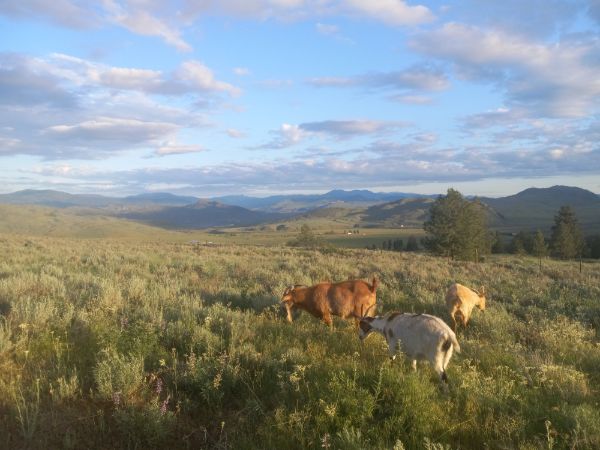
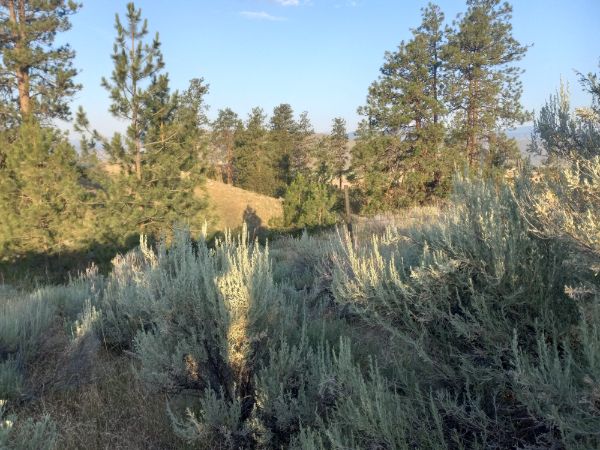
We can’t really say we’re on a mission. It’s peaceful here in the Okanogan Highlands. Three humans, a herd of goats, two dogs, three cats, about thirty chickens., and a rescue horse. We live in campers, use solar, haul water, and catch rain. We spend a surprising amount of time moving water around.
Stay with us for six months to one year and we’ll see how it goes.
If you would like to visit, please text or email. We want to get to know you a little bit first. Include your name and where you’re coming from in your first message. It’s not possible to plan visits in the winter.
A few people (not elected by the broader community) make the major decisions.
More than 50% agreement needed.
Members elect leaders who make decisions within defined roles.
All member income goes into common pool for community use.
Labor: Yes (7 hrs/week)
Members with pre-existing debt: allowed
We prefer to focus on what gets done vs how many hours are spent doing things.
Garden(s), Outdoor Kitchen, Internet
Countryside locations with significant distance from urban centers.
Private homes with shared common facilities, designed for neighborly
interaction while maintaining independence.
Integrated communities designed around ecological principles with sustainable living practices.
Communal living with shared resources, property, and often income or work responsibilities
Connecting people and communities through an intentional online marketplace
There are no needs and offers
We use cookies to improve your experience on our site. By using our site, you consent to cookies.
Manage your cookie preferences below:
Essential cookies enable basic functions and are necessary for the proper function of the website.
These cookies are needed for adding comments on this website.
Statistics cookies collect information anonymously. This information helps us understand how visitors use our website.
Service URL: policies.google.com (opens in a new window)
A residential project: people live here as their primary home.
An institution, business, network, or project that isn’t a residence (e.g. a learning center, farm, or network with no one living there full-time).

{{ item.label }}
{{ item.value ? item.value : currencyFormat( item.amount ) }}
Subtotal
{{ currencyFormat( pricing_summary.total_amount ) }}
There are no results matching your search