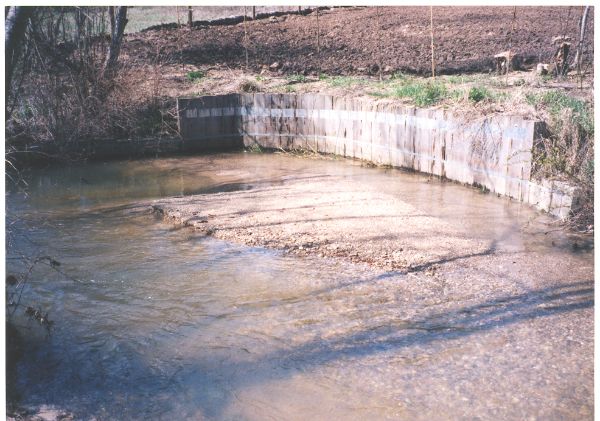
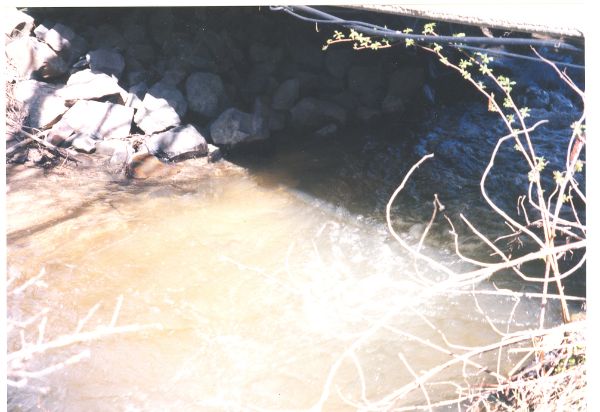
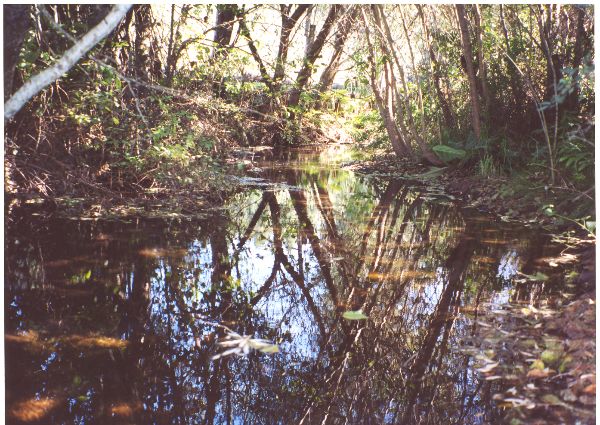
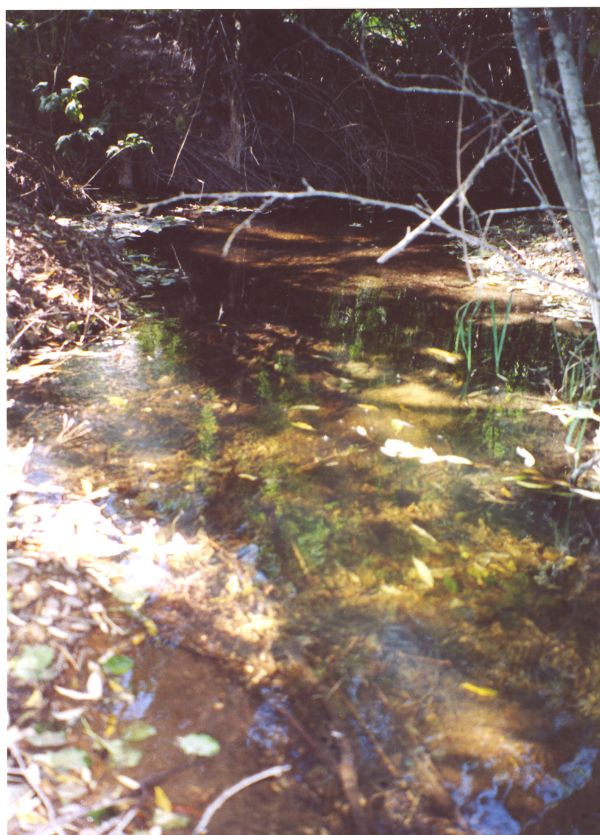
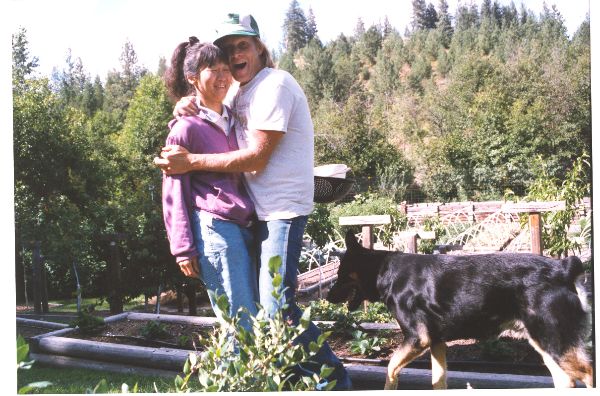
It’s time to form our Mutual Assistance Group! We are Daniel & Patti EarthStwards and have been developing our homestead for our food and energy self-reliance since 1990. We are located 21 miles north of Spokane, WA. The land we set aside for the village is 16 acres and has a year-round stream running thru it.
Here is what is unique about our IC start up effort, we are inviting others to form with us a Mutual Assistance Group (MAG). Goggle this title to gain access to descriptions of this form of creating community with others. The core idea of a MAG is in perpetuating normalcy for yourself and those that you love during the difficult times of transition we all live in today. As well, people need not live on the land, but by setting up their retreat sites on it with self-contained RVs or other types of alternative housing, they could quickly escape any type of disasters which develop around the world to enjoy the safety of sustainable community.
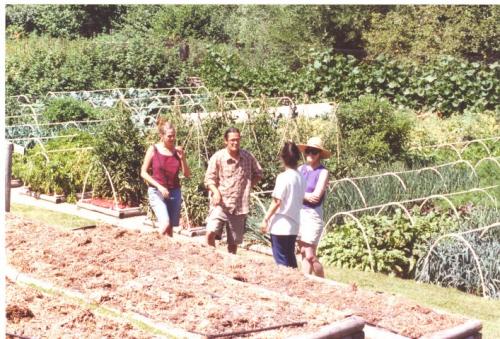
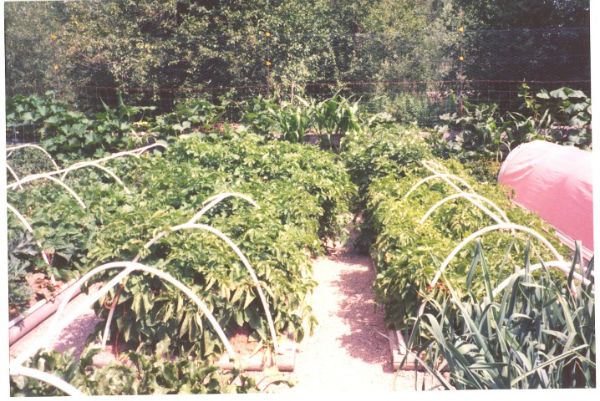
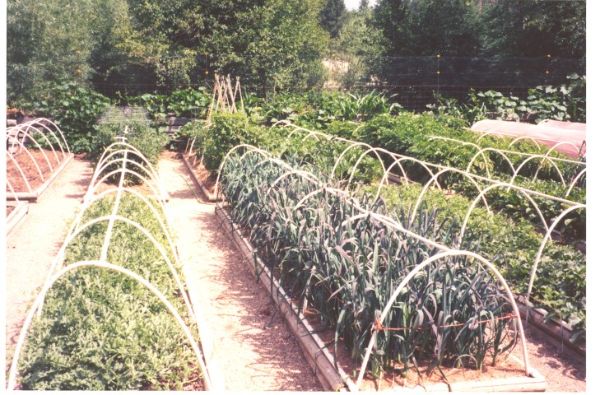
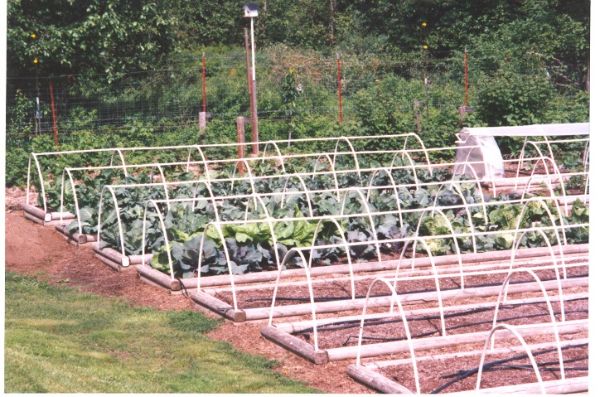
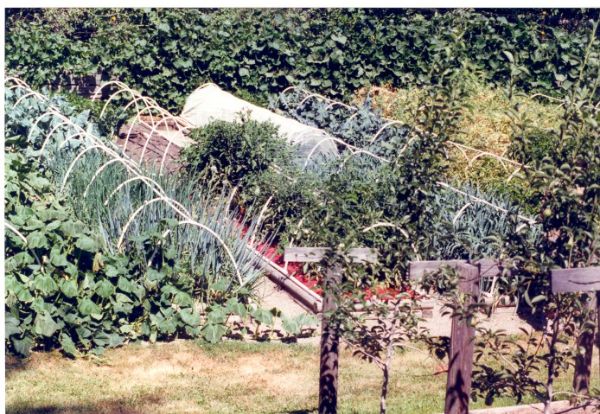
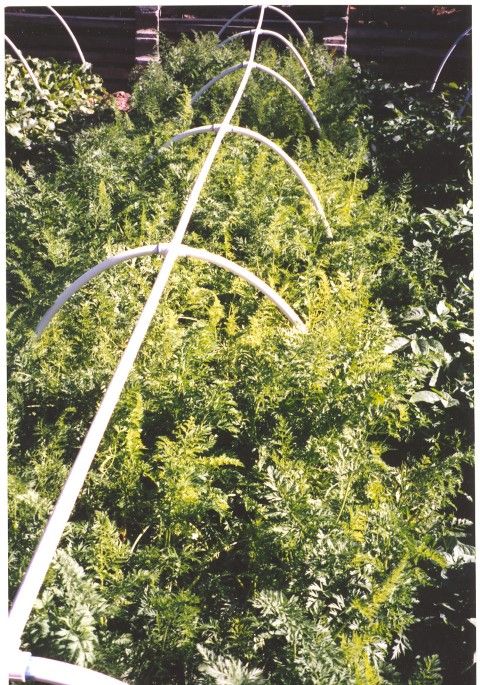
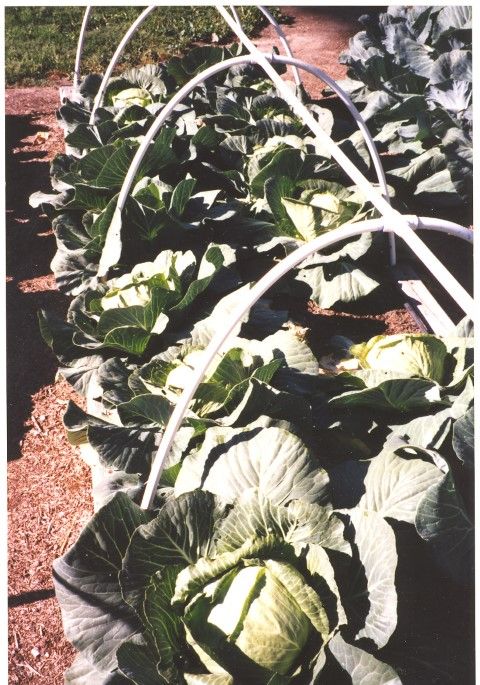
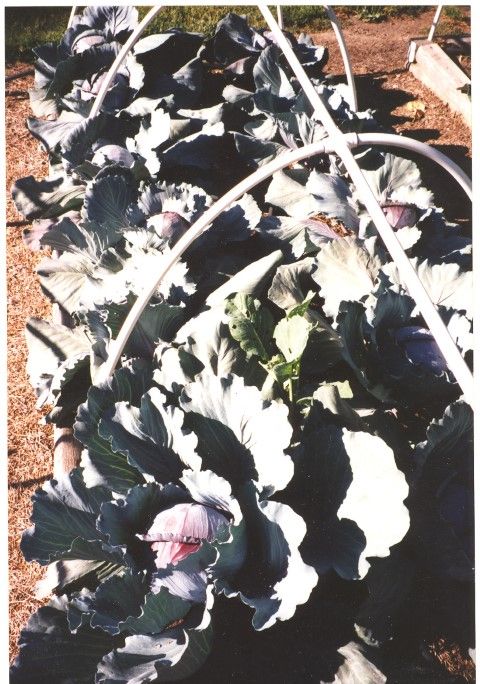
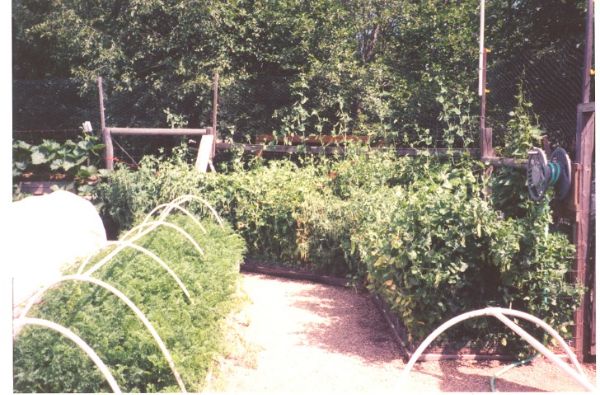
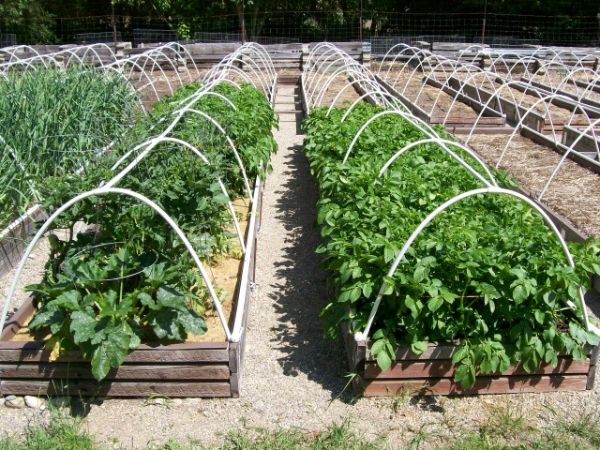
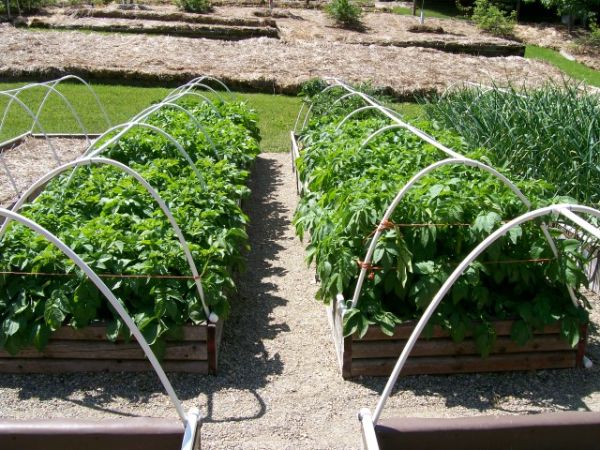
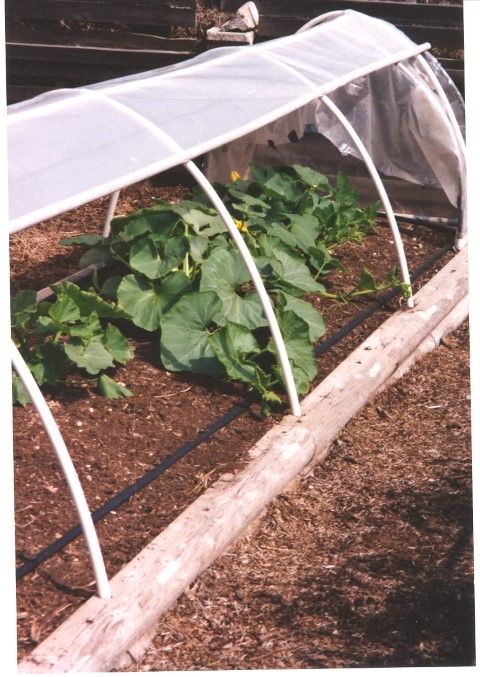
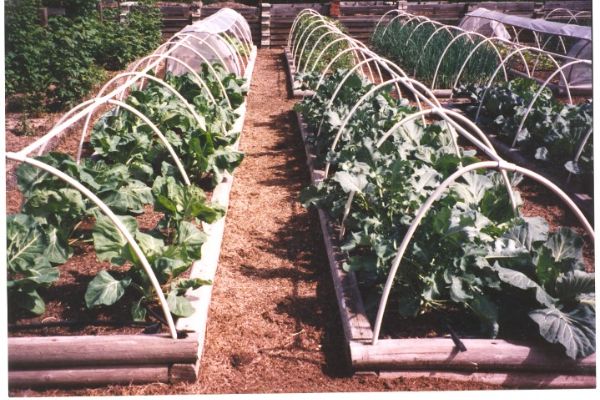
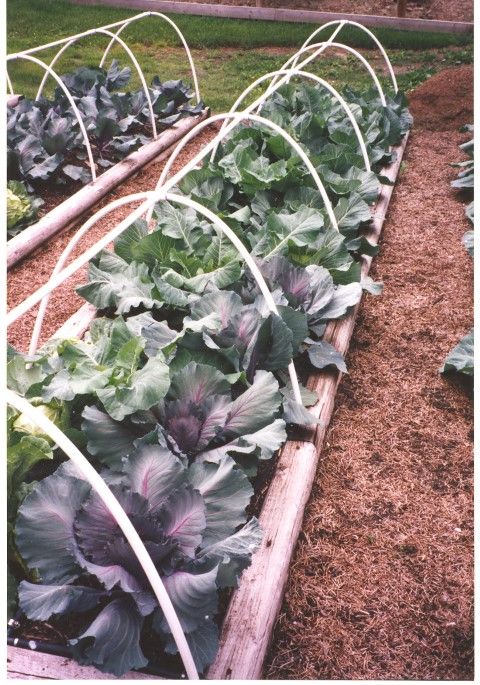
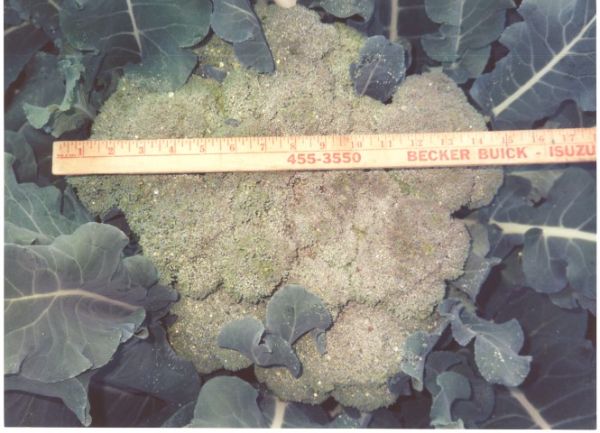
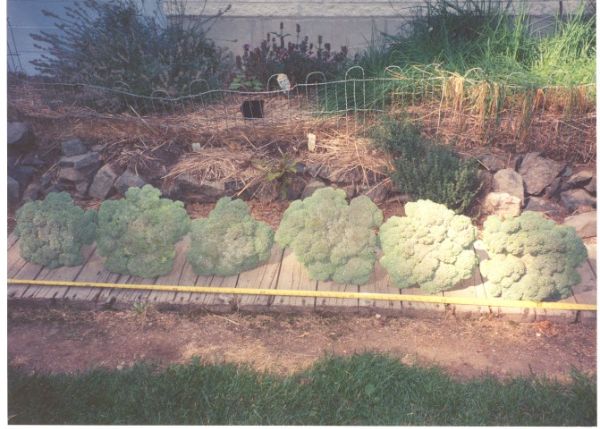
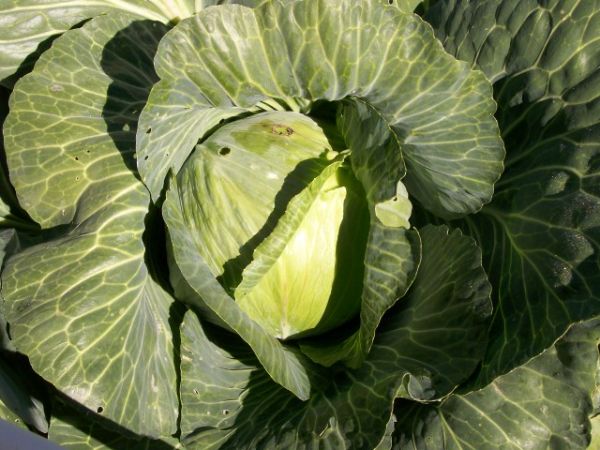
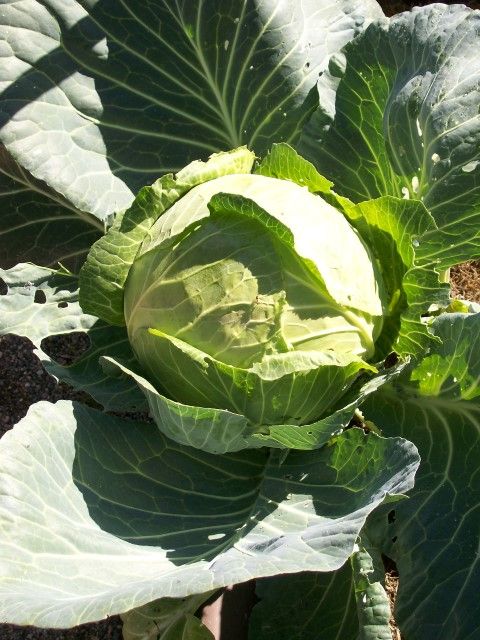
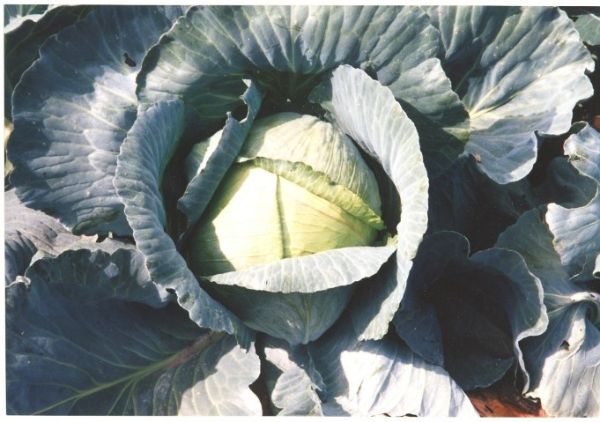
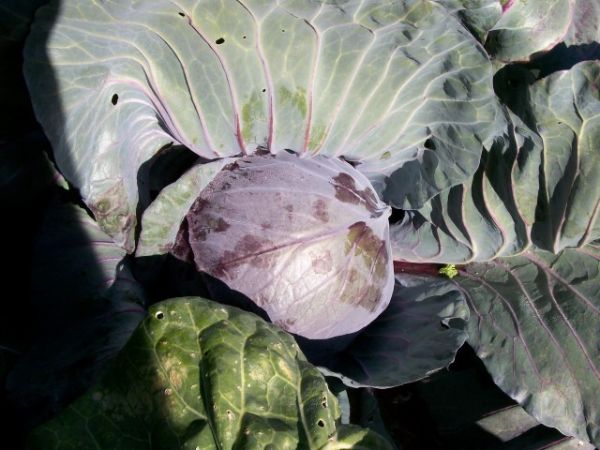
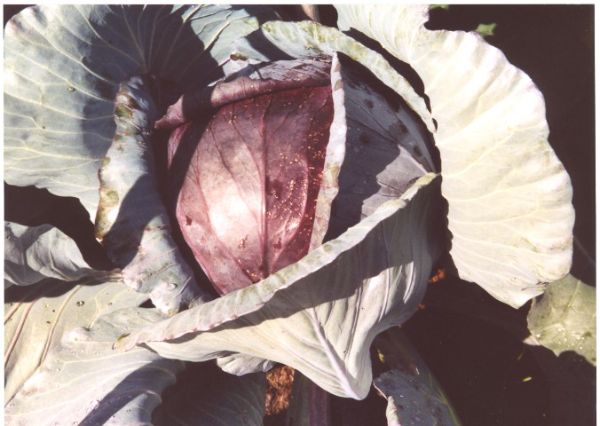
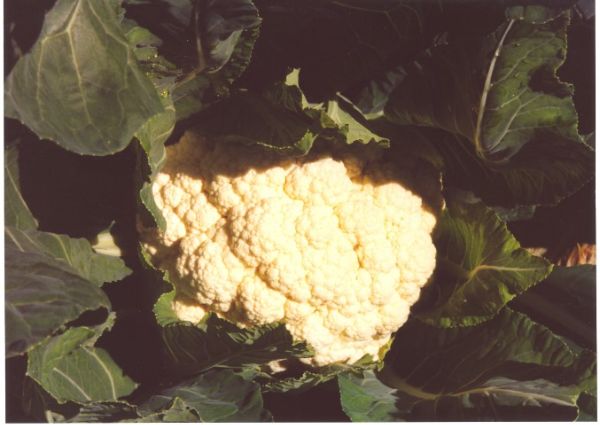
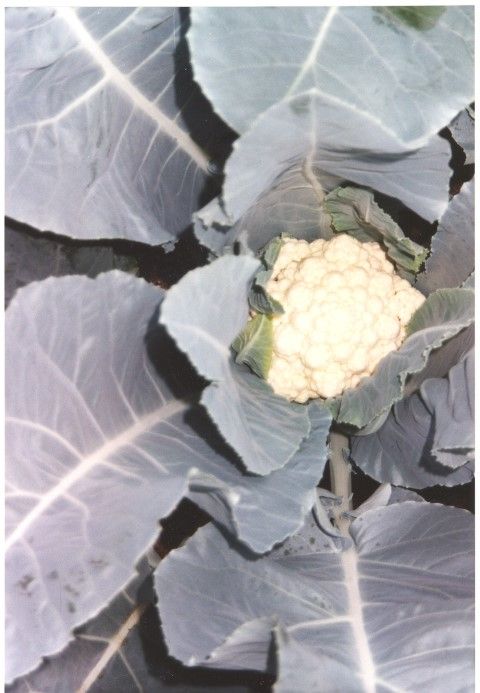
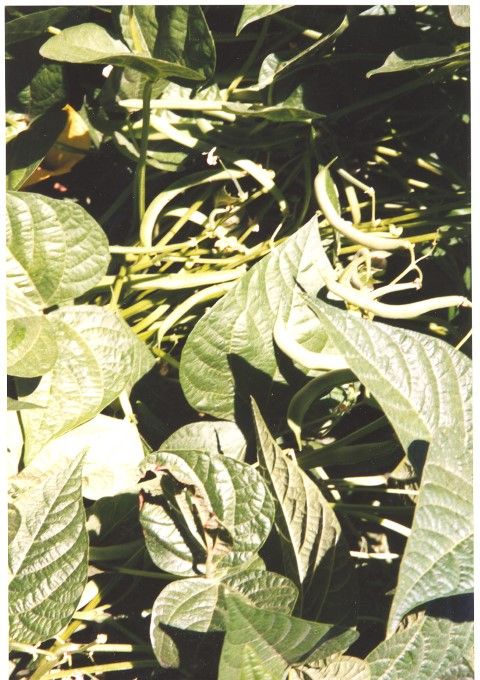
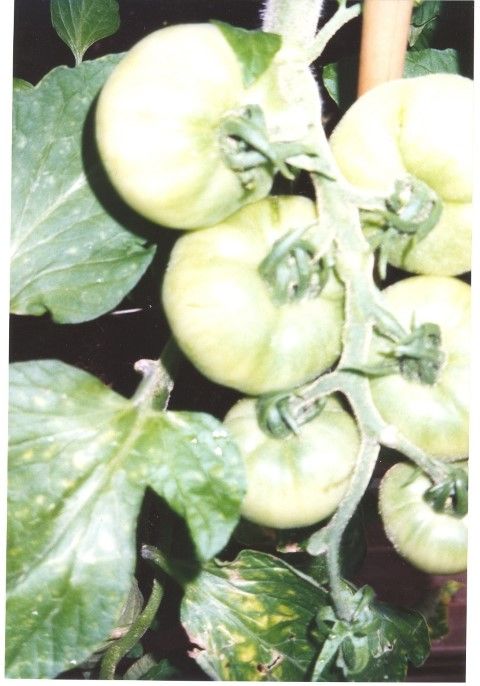
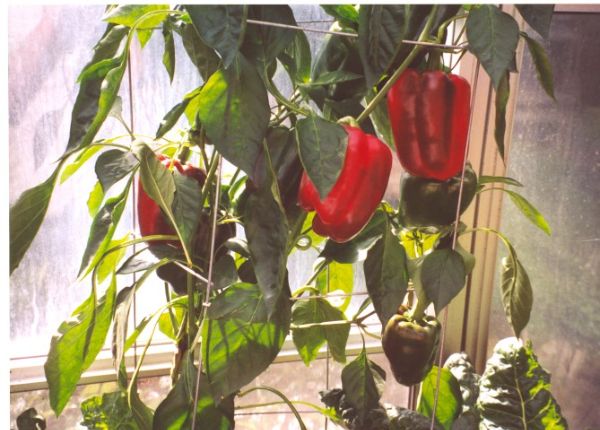
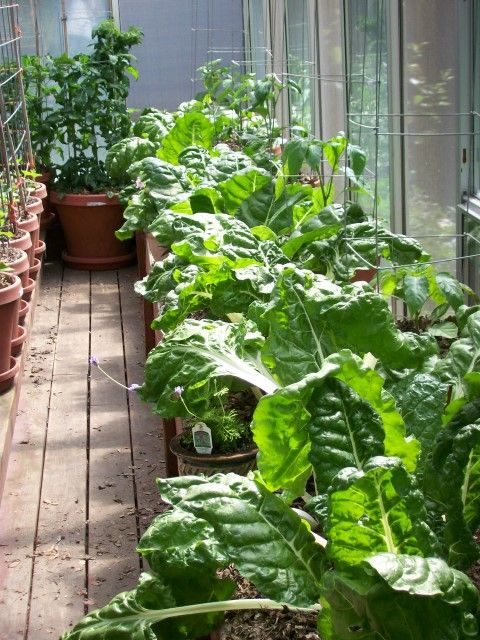
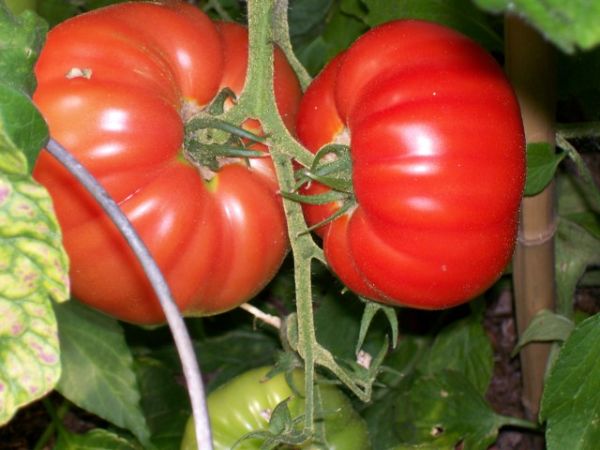
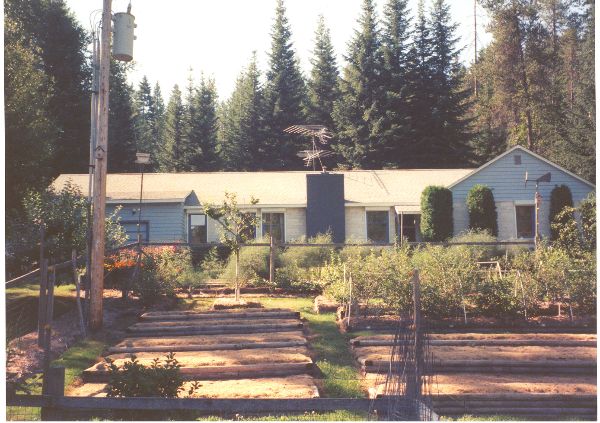
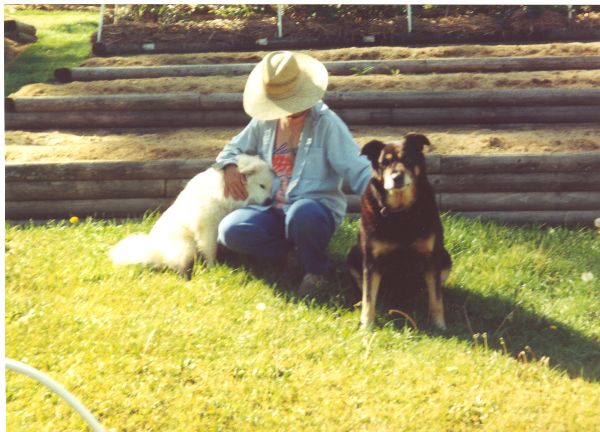
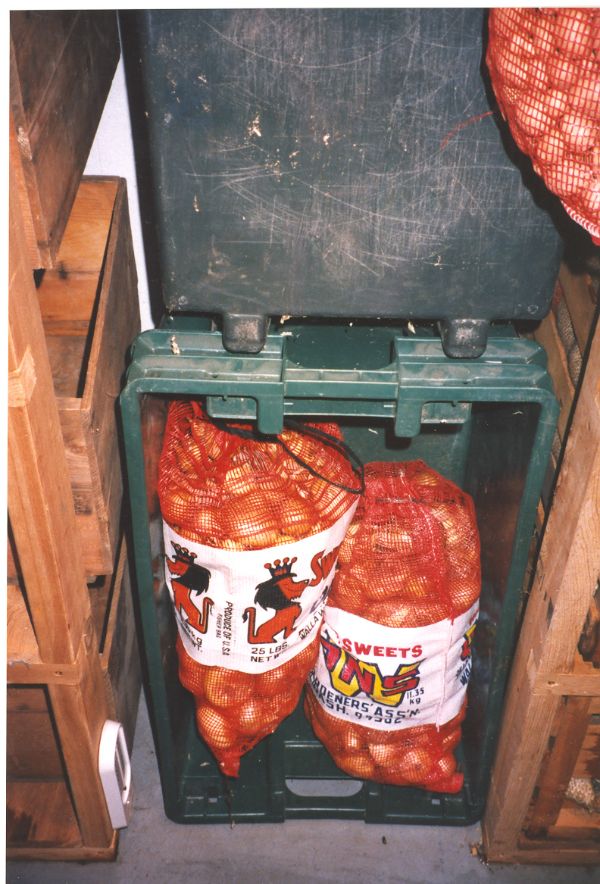
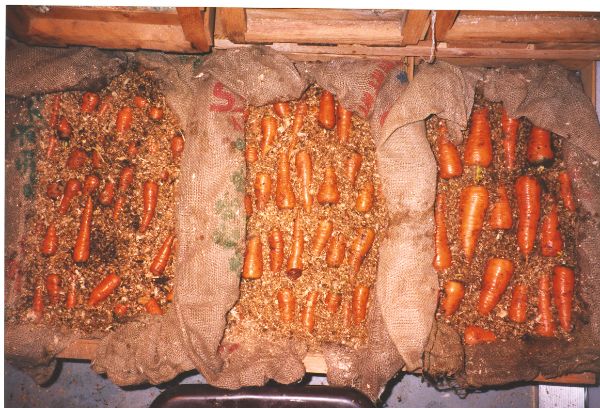
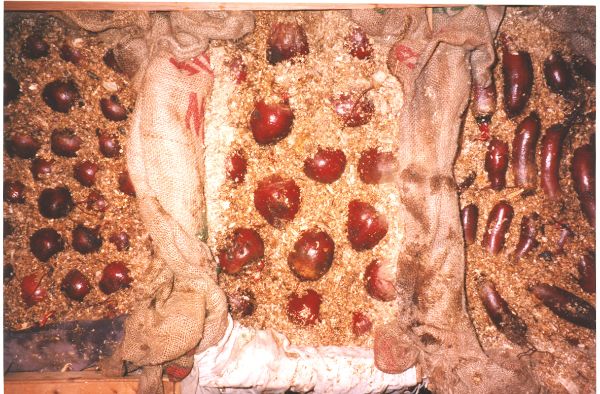
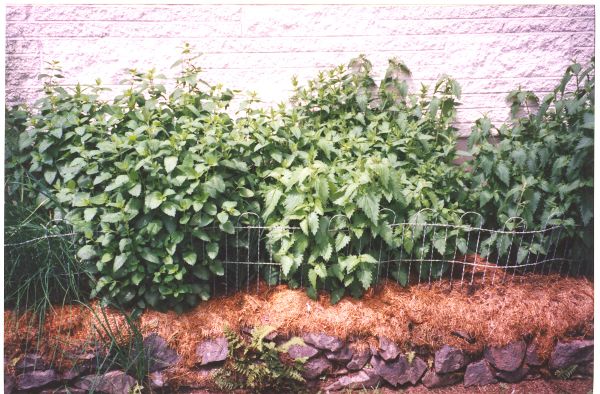
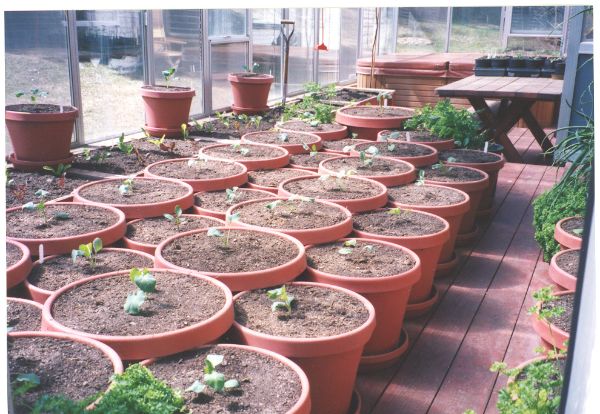
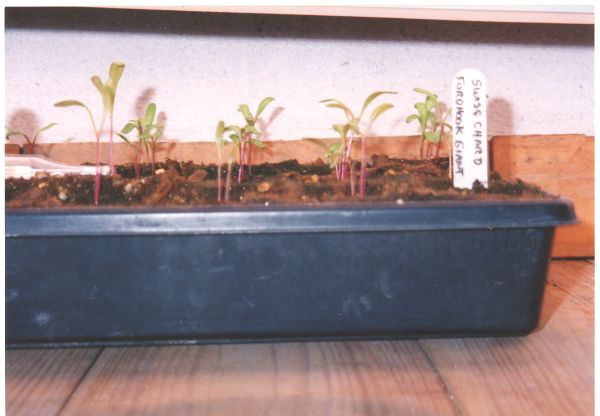
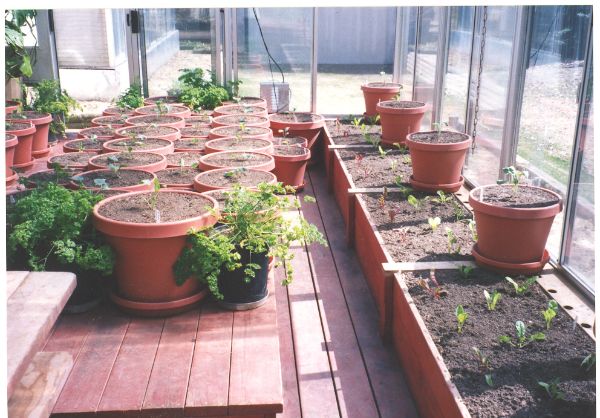
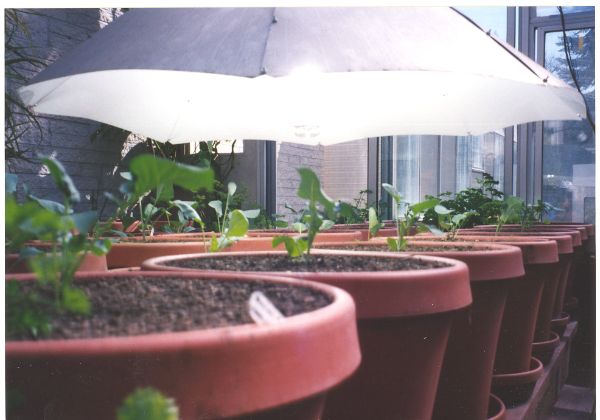
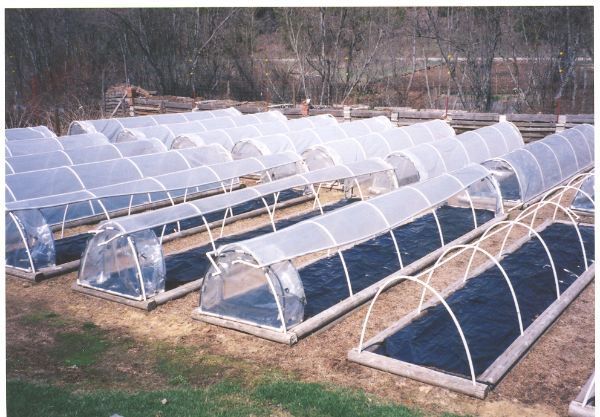
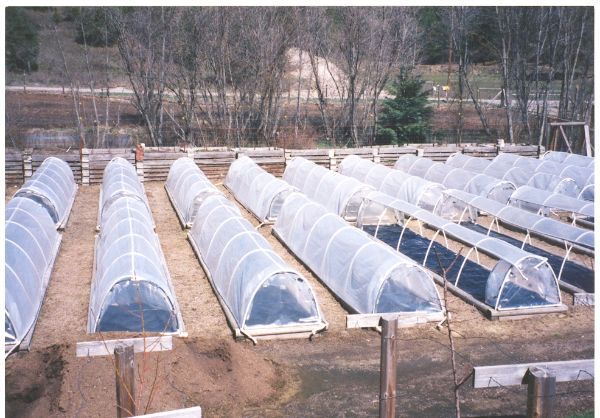
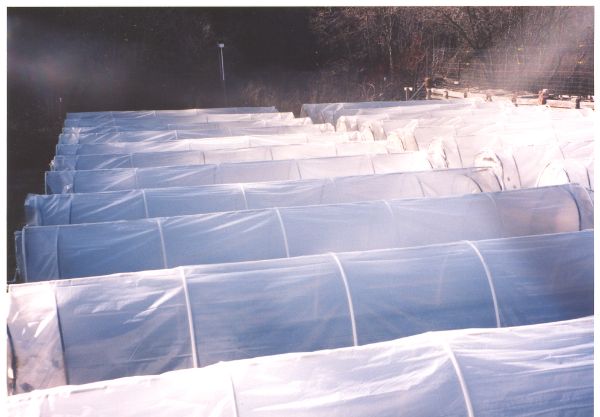
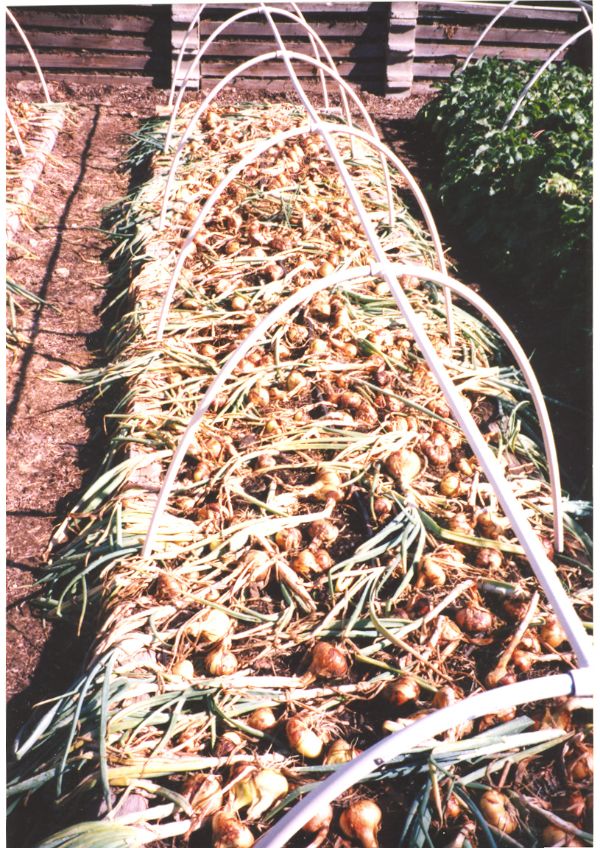
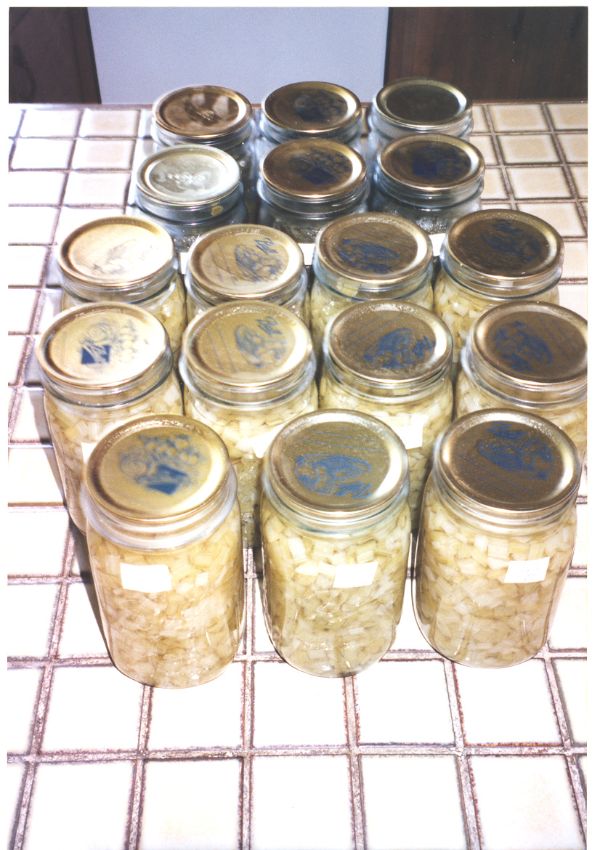
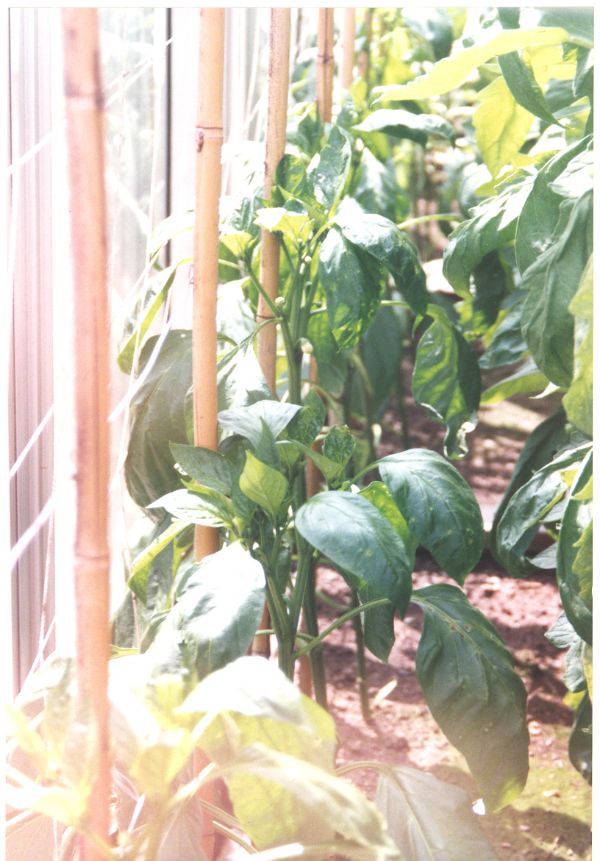
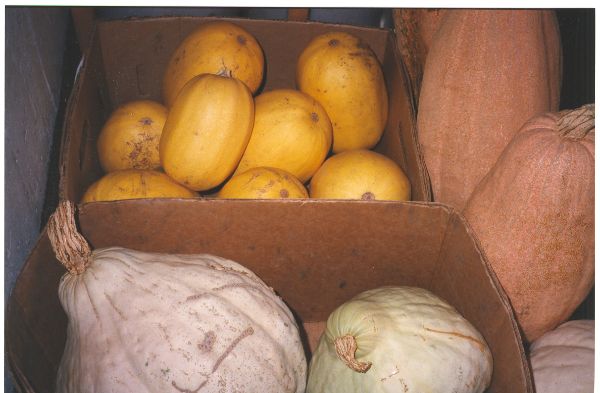
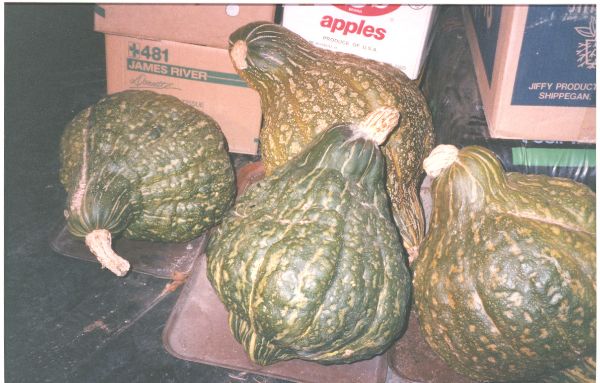
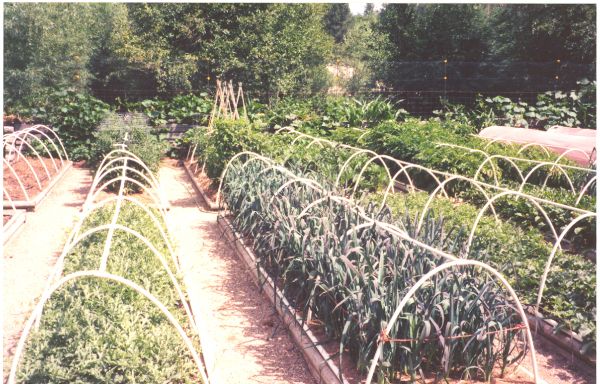
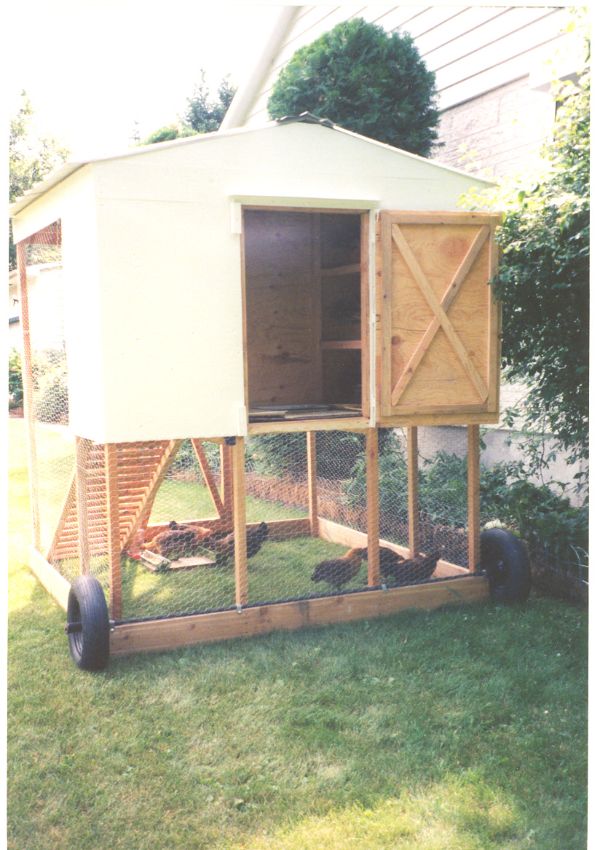
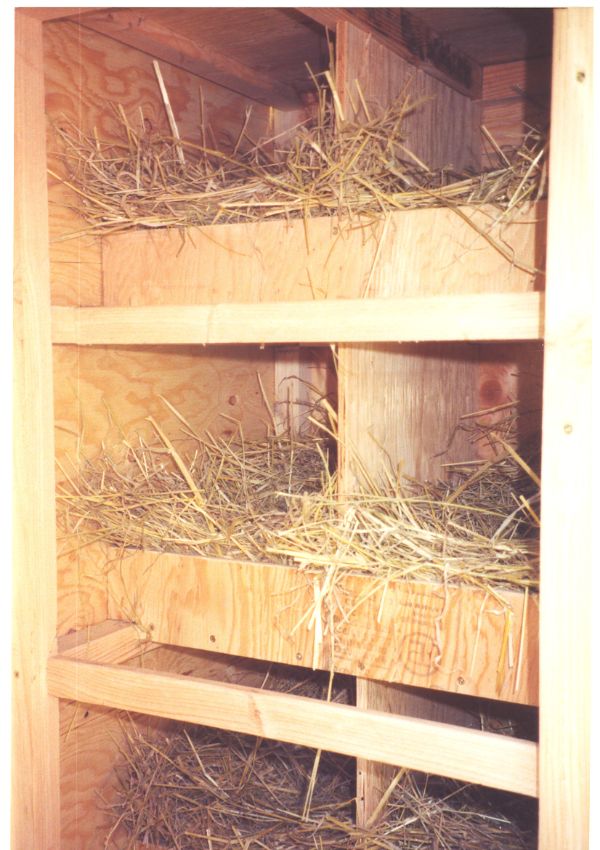
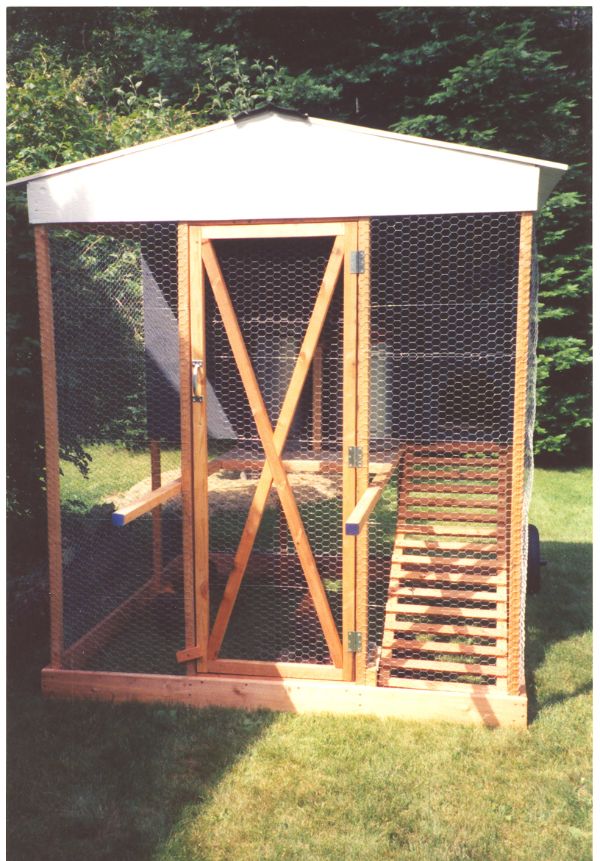
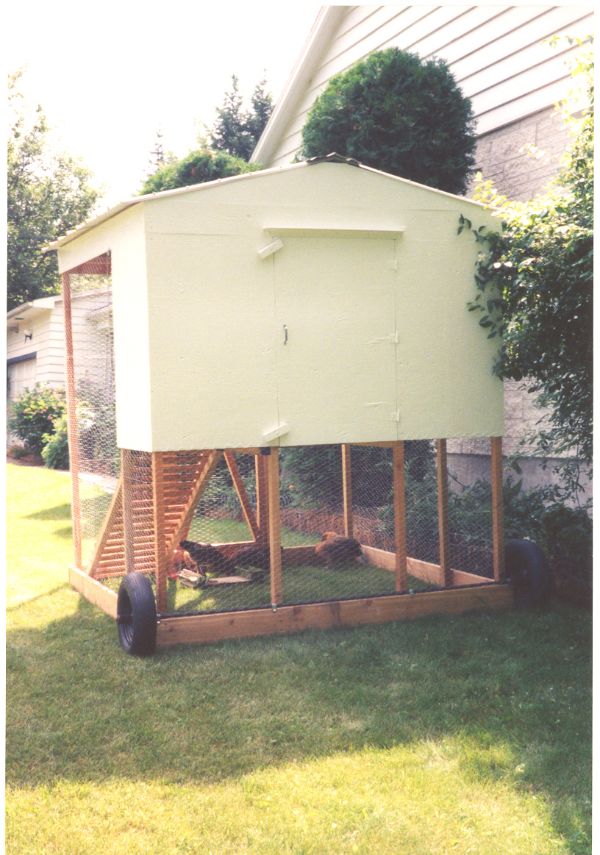
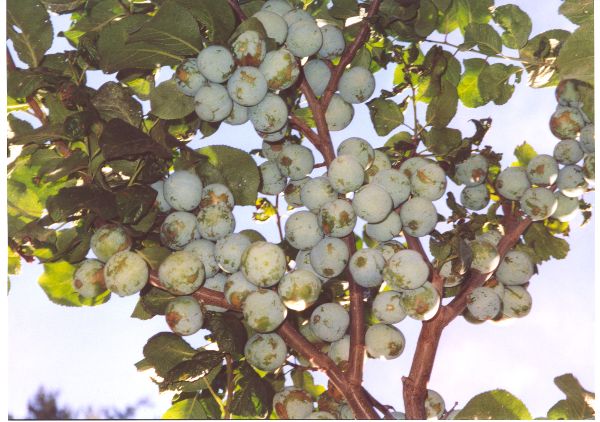
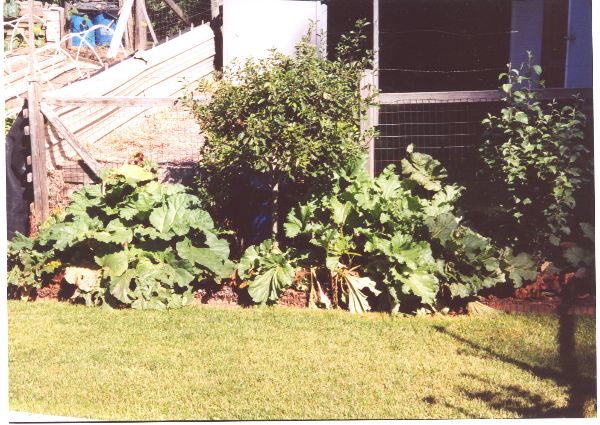
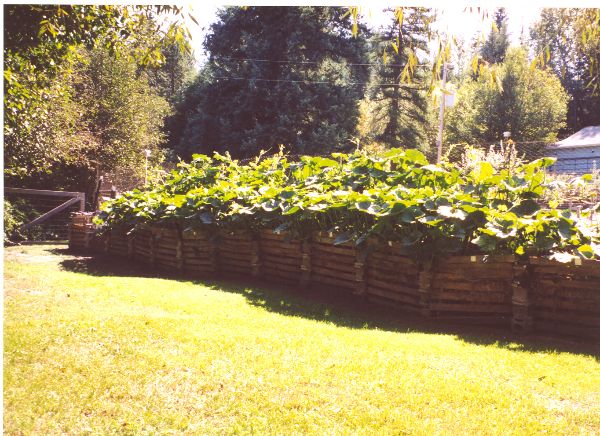
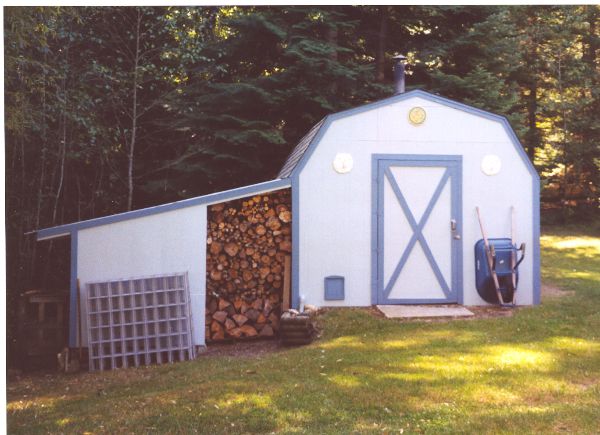
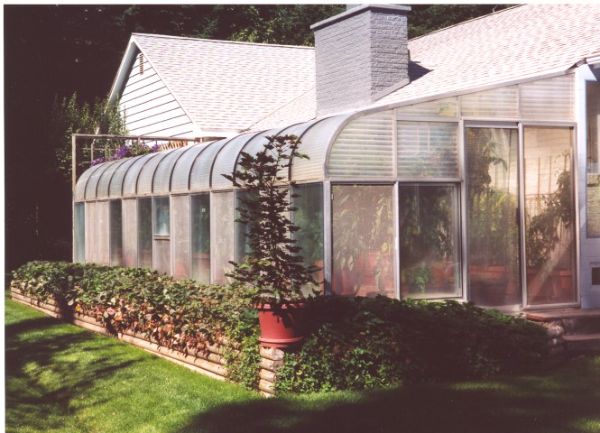
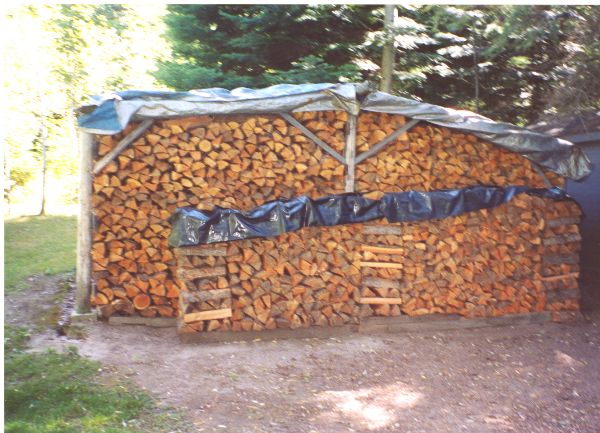
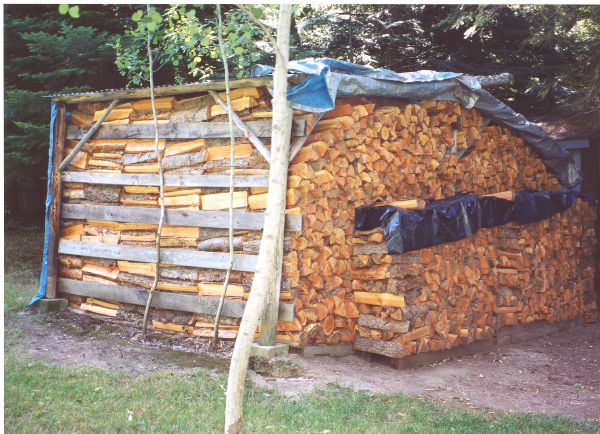
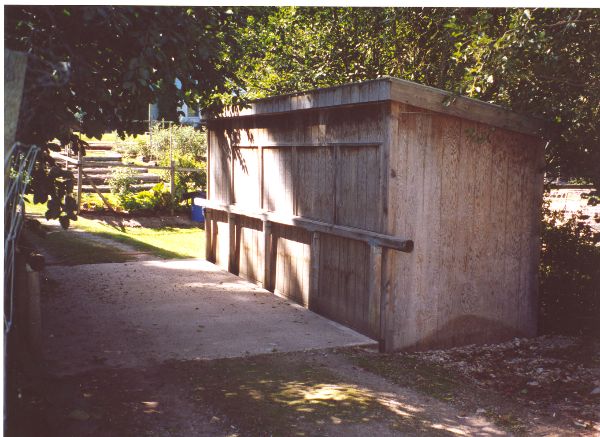
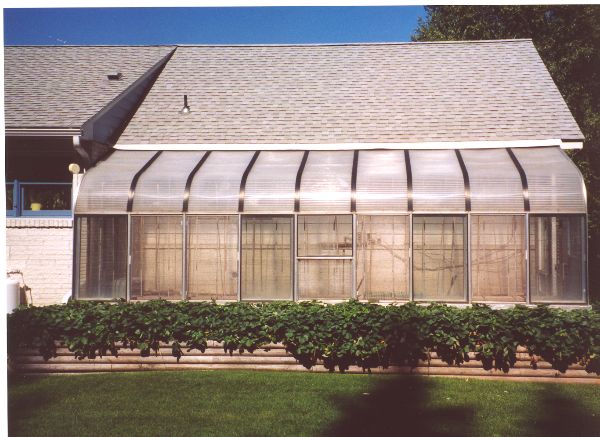
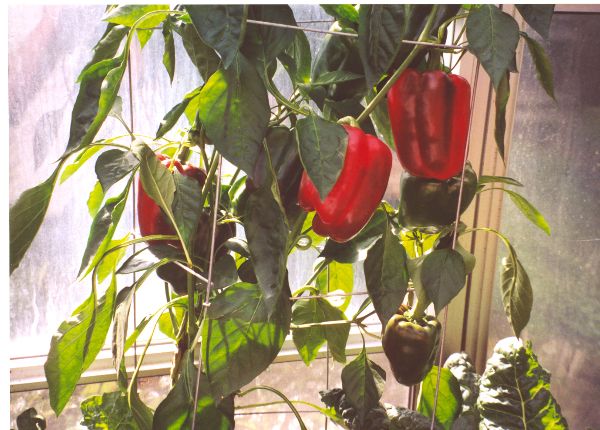
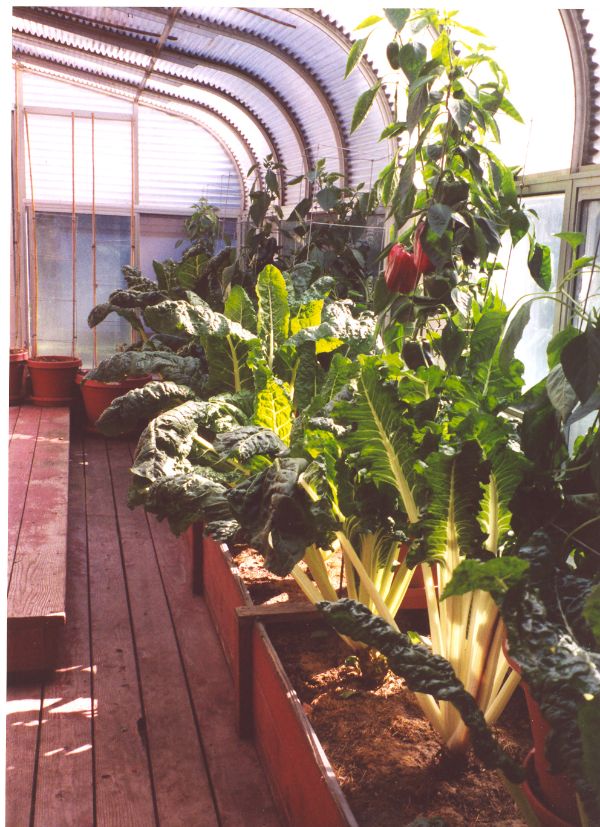
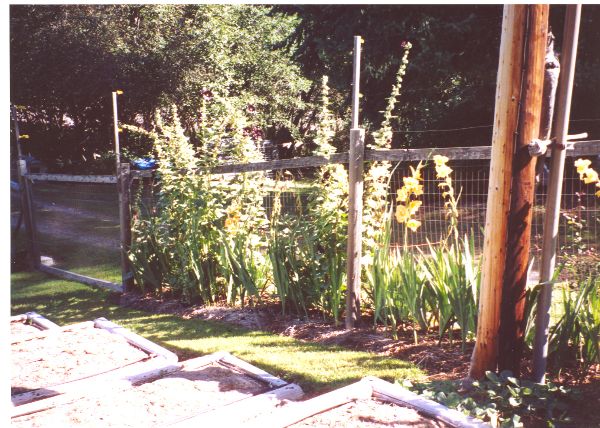
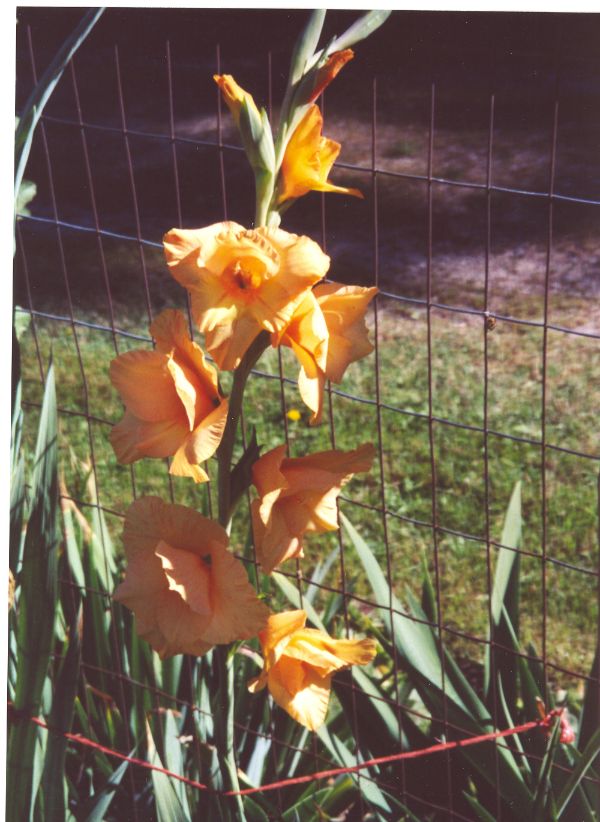
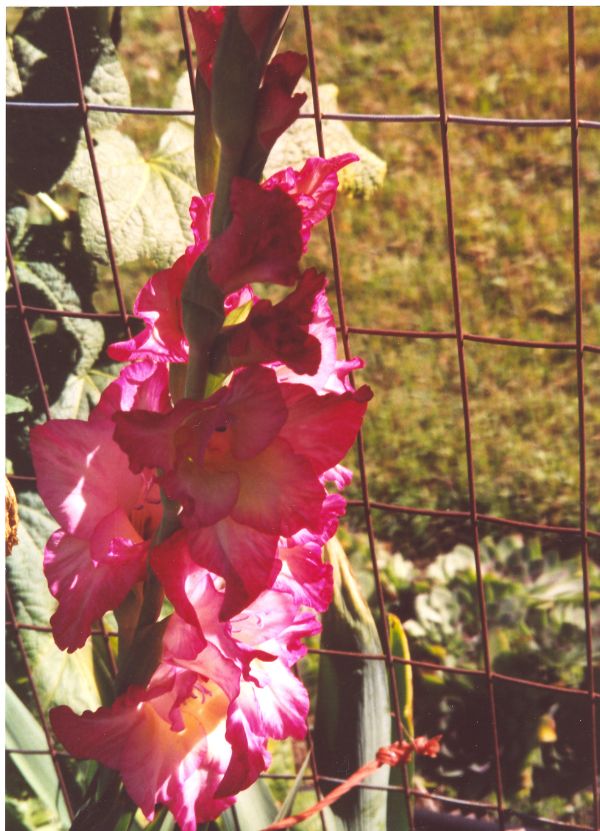
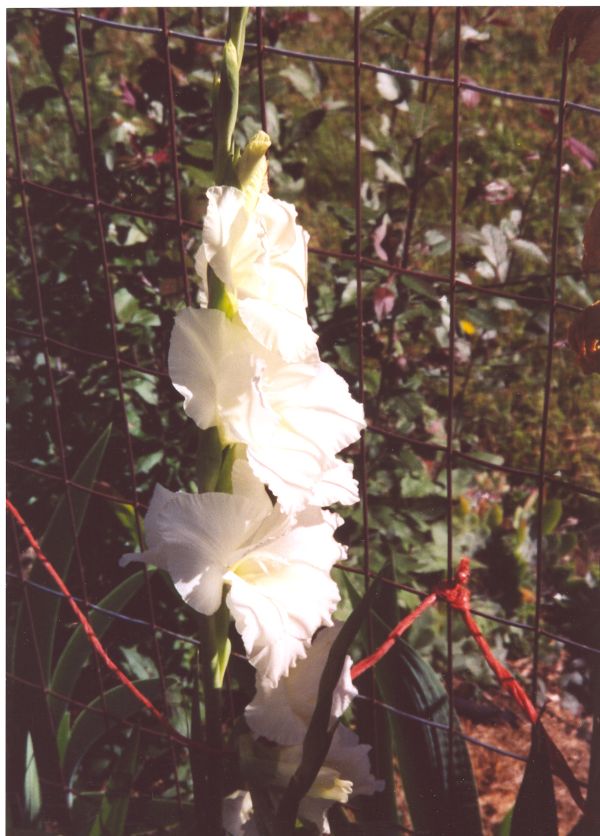
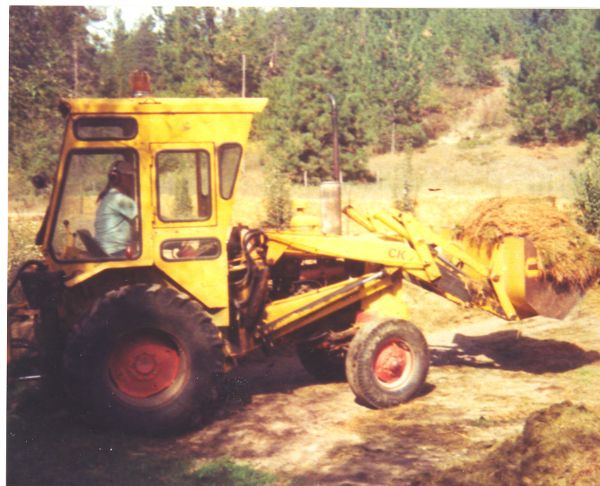
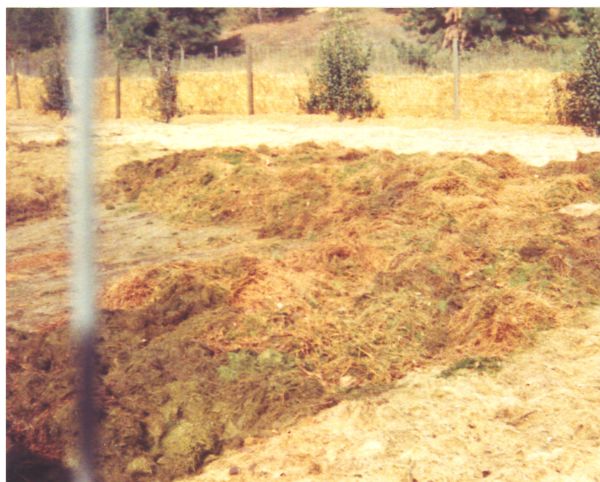
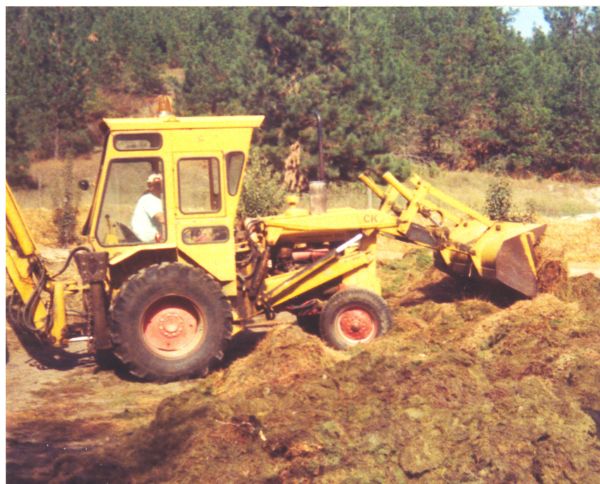
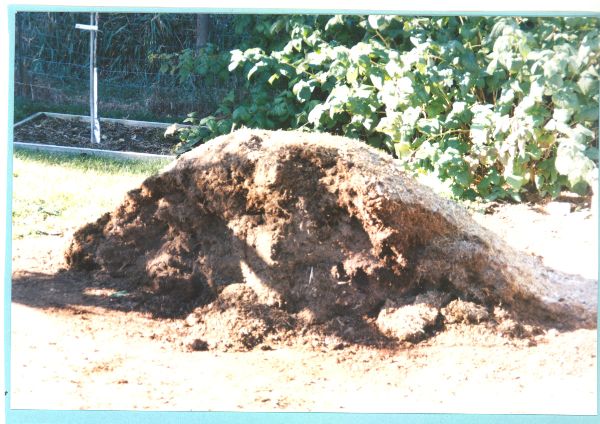
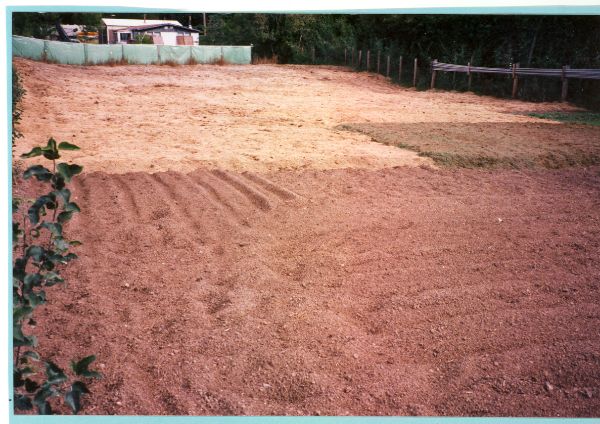
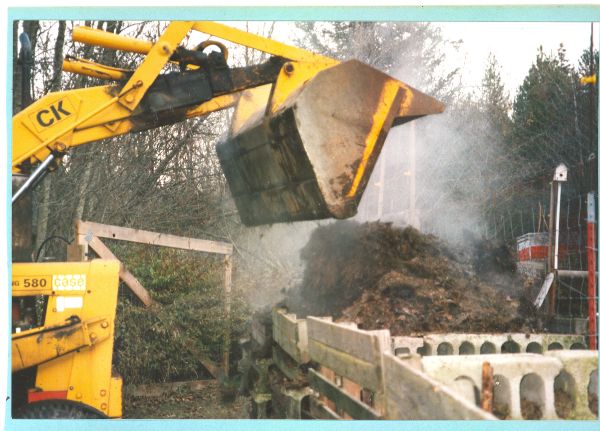
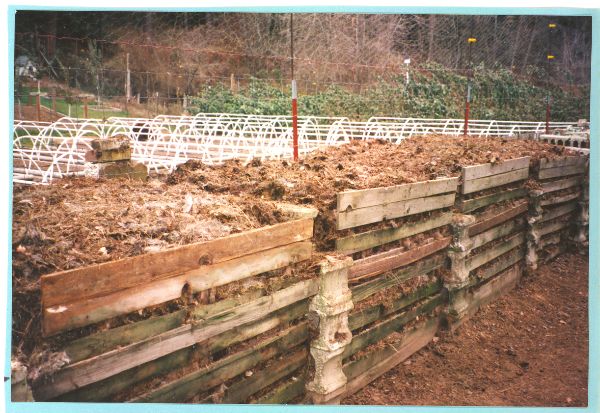
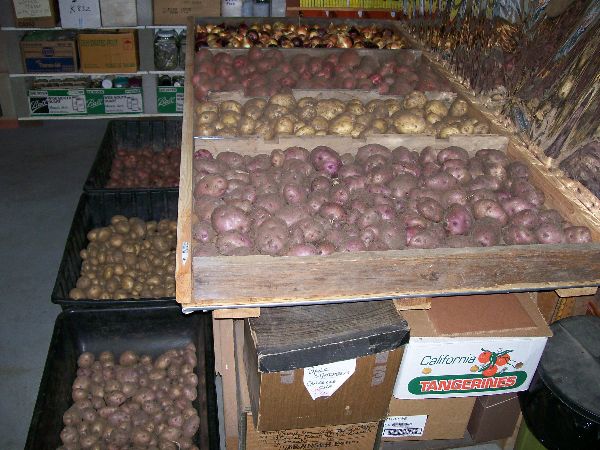
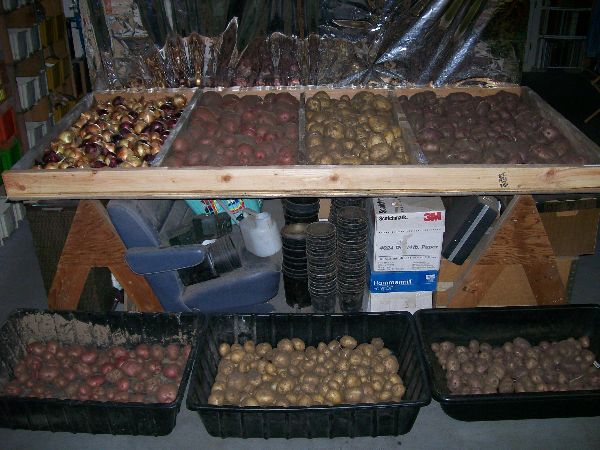
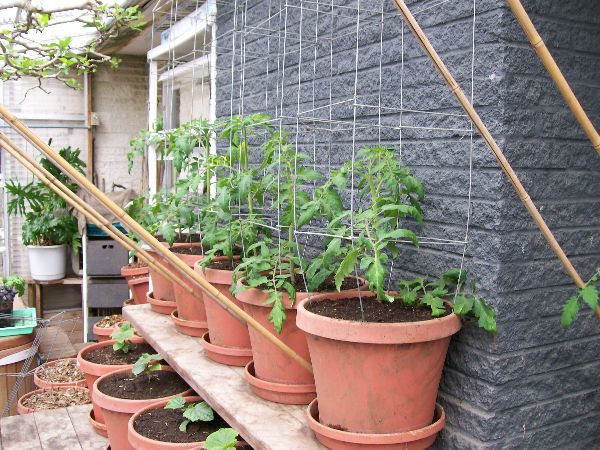
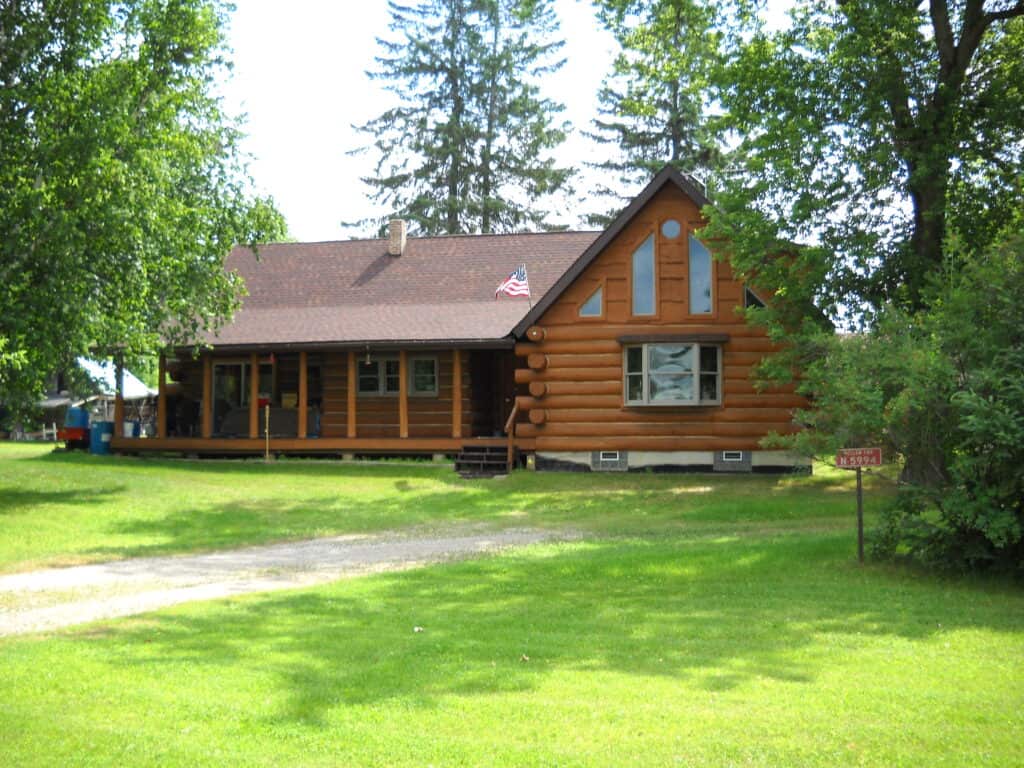
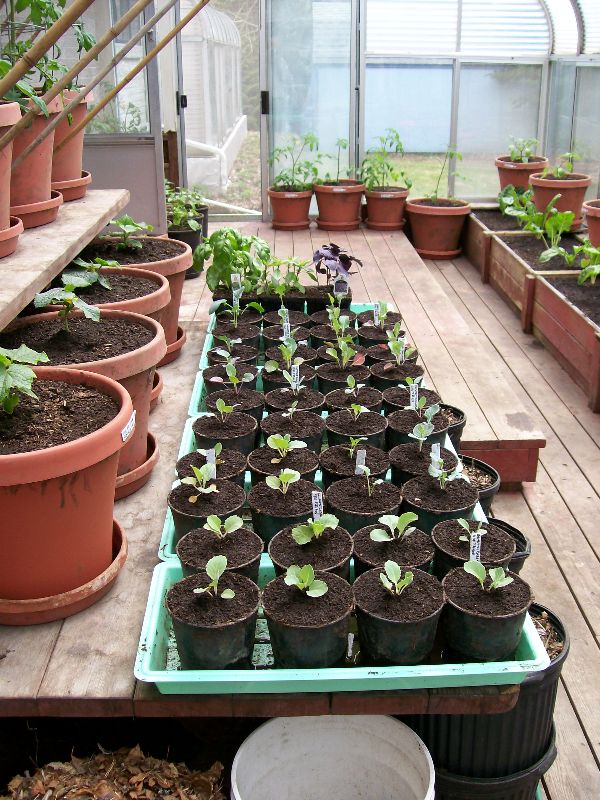
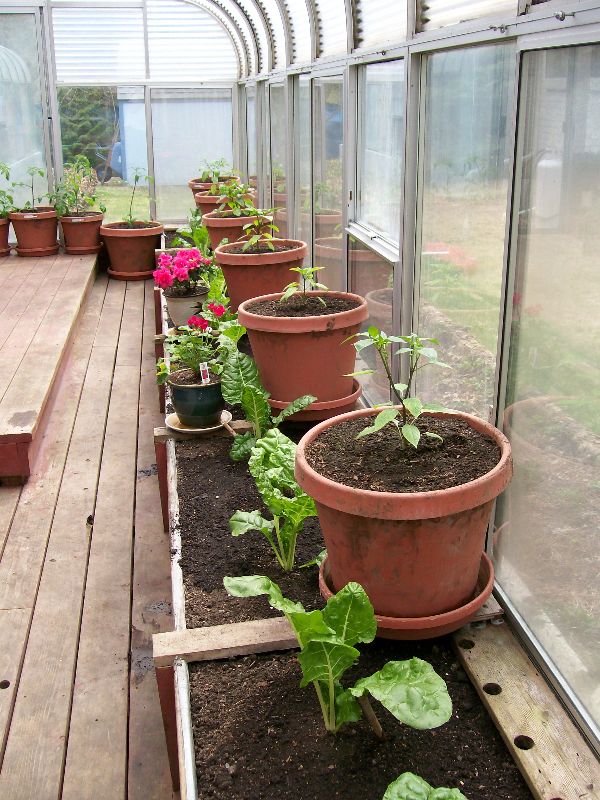
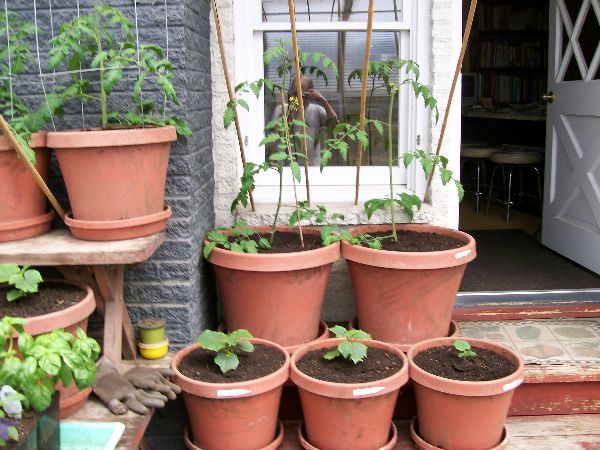
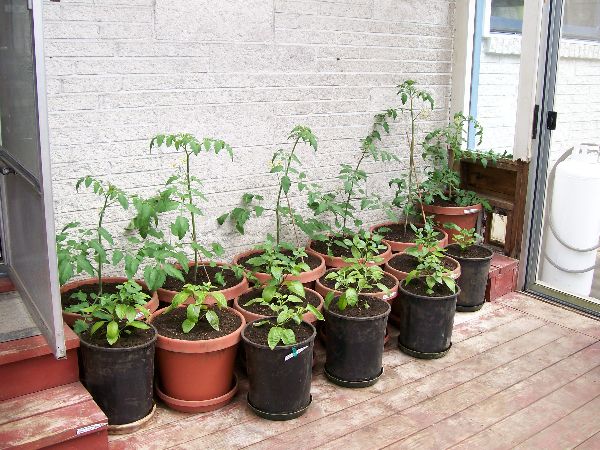
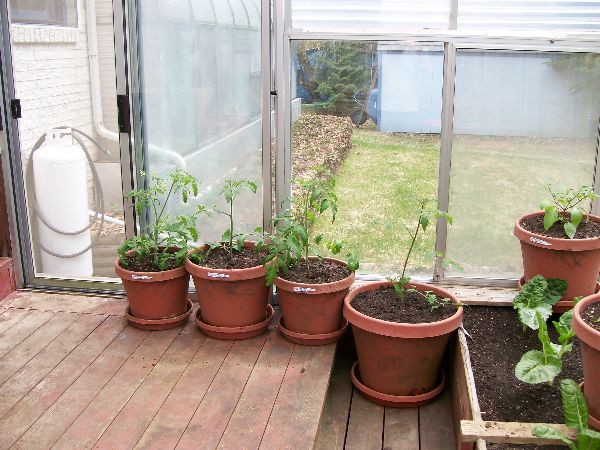
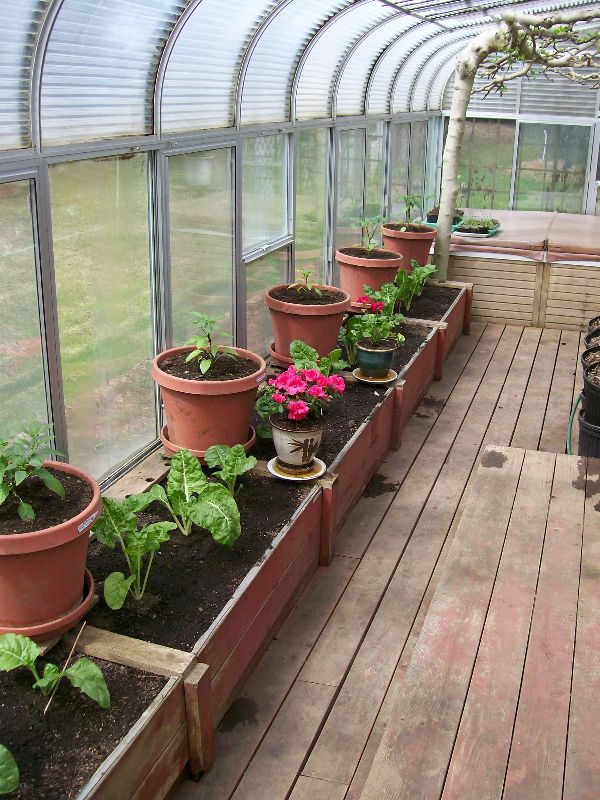
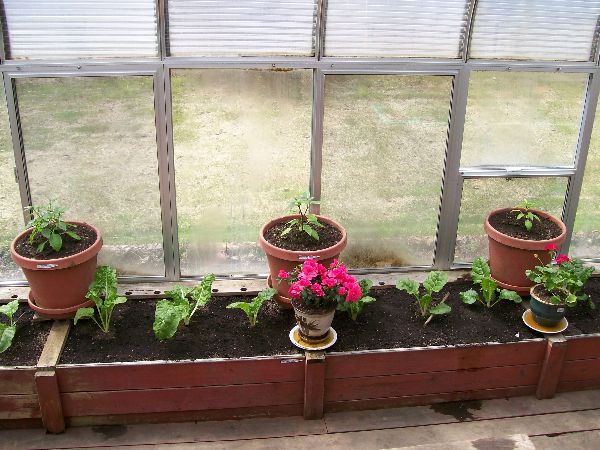
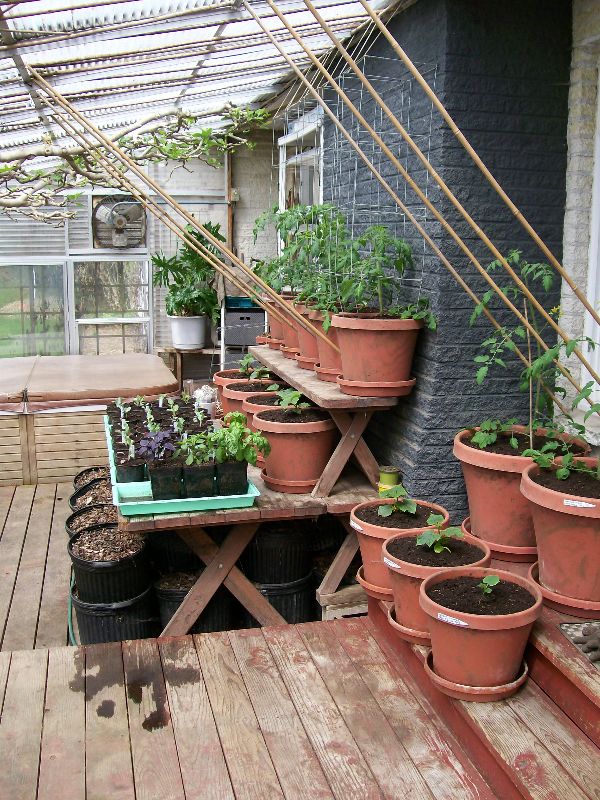
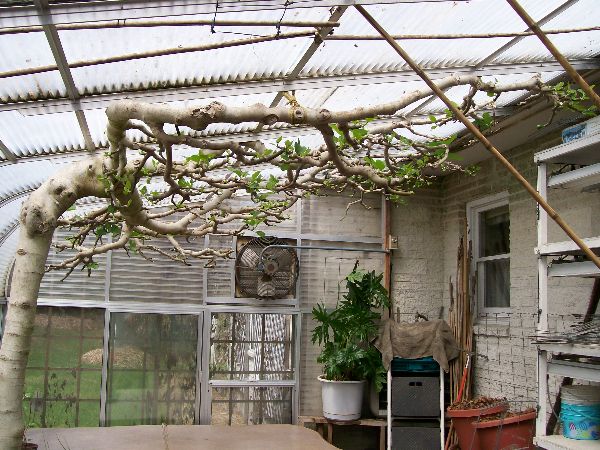
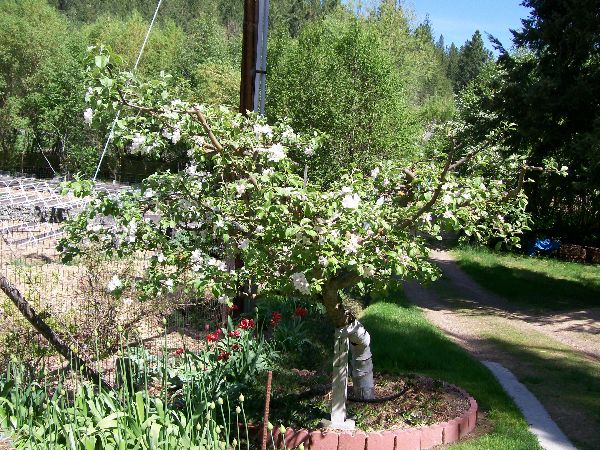
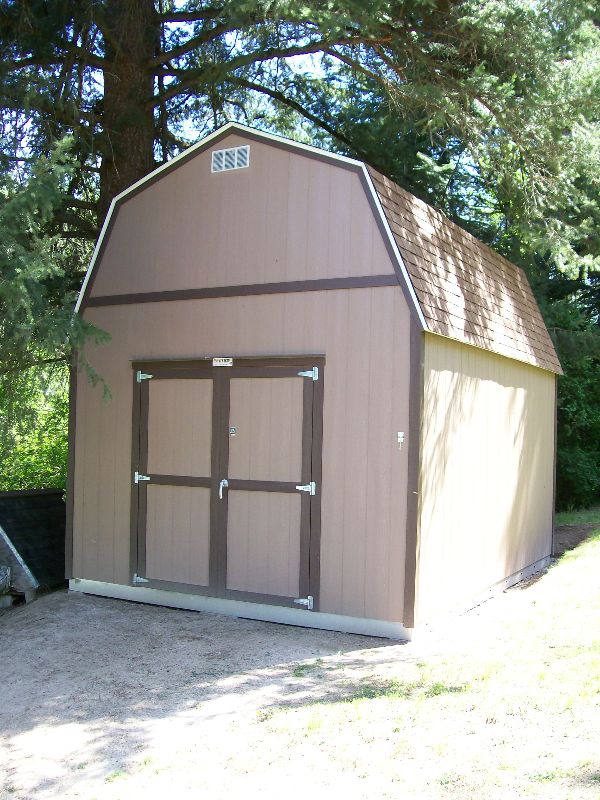
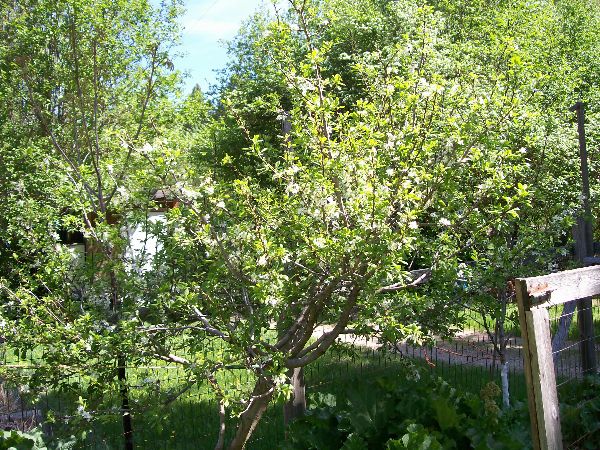
What we have established at our homestead can be seen in the photos section of this listing, there we provided images of what we have grown for our own food self-reliance as well as other infrastructures. We know how to can, freeze and preserve our produce and have a root cellar where we store root crops for our winter use. We are also fully equipped with all that is needed to live energy self-reliantly, such as battery banks, invertors, solar panels, chainsaws, with a tractor, tiller, a backhoe, snow removal equipment, and many other implements along with excellent well water. All of this would cost millions of today’s dollars to amass, and again, the learning curve to master their use. This is where merging your efforts with us in a MAG makes a great deal of sense.
Accomplishing the above as single person and nuclear families, people will quickly realize all the things you need to know, be an expert in, and to be equipped to do in order to live self-reliantly. So much preparedness content is about buying gear, focusing on developing knowledge and skills at growing and preserving one’s food. These tasks take decades to master, and all this can become overwhelming for a single person or nuclear family to undertake and succeed at doing during emergencies.
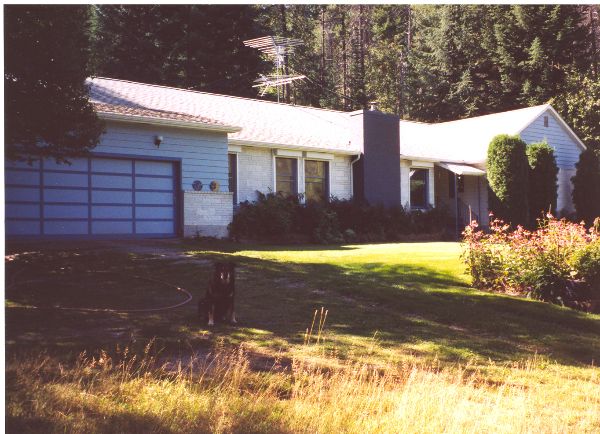
As we mentioned, the 16 acres we have available to a MAG is divided into two 8-acre pieces. Each has its own debt-free deed. In 8-acre piece we purchased in 1990 is where we have our home and all the self-reliant infrastructures established. The adjoining 8 acres piece we purchase several years after, and it is primarily undeveloped forested land, but has some really great sites next to the stream to set up self-contained RVs and etc. We could sell this other 8-acre piece of land to whomever merges with us in a MAG and can afford it (assessed value for 2026 was $96K, and we just learned 2027 assessed value is to be 103K). If one cannot afford this, the best way to do this would be is to find another or others who are interested and combine your funds and make us your offer.
We also offer a couple of paid positions to that might be interesting to the reader. We have a newish travel trailer we have set on our land for a jack-of-all-trades handyman to dwell in. The handyman could gain income from us from building, repairing, operating equipment, managing, maintaining, and providing security for all community members. Another paid position we can offer is a bedroom in our modern home for a female housekeeper who has vegetarian cooking, cleaning, and organizing experience. A quiet, clean, tidy, cooperative type of person would be a perfect match in our home. If interested in these positions, your resume and references sent to us, and pics of yourself doing the work related to these positions is essential.
What inspired us to live as we do and wanting to develop this MAG with others has been the result of what the Hopi Elders advised at http://www.communityworks.info/hopi.htm. They offer important direction to humanity as we enter an era of crucial and disruptive changes that are unfolding for us all today. The Hopi ask and say, as we do also…
“What are you doing? What are your relationships? Are you in the right relation? Where are you living? Where is your water?” Additionally, “Know your garden,” and realize that “The time for the lone wolf is over.” All the Hopi are saying is that it would be prudent for people to think about where one wants to be and with whom before one is overtaken by the social, economic, environmental, and other shifts currently unfolding around the world. “We are the ones we’ve been waiting for.”