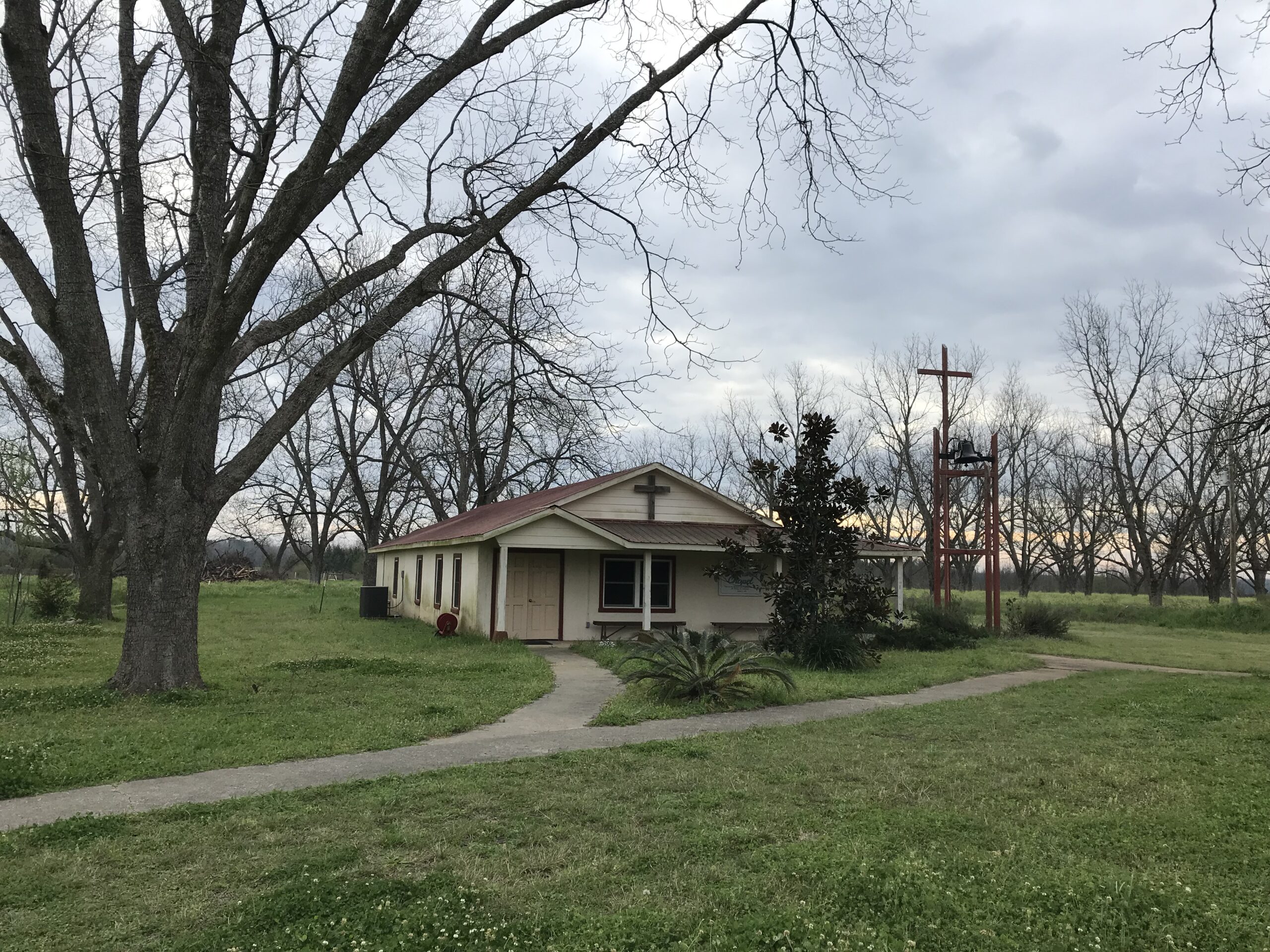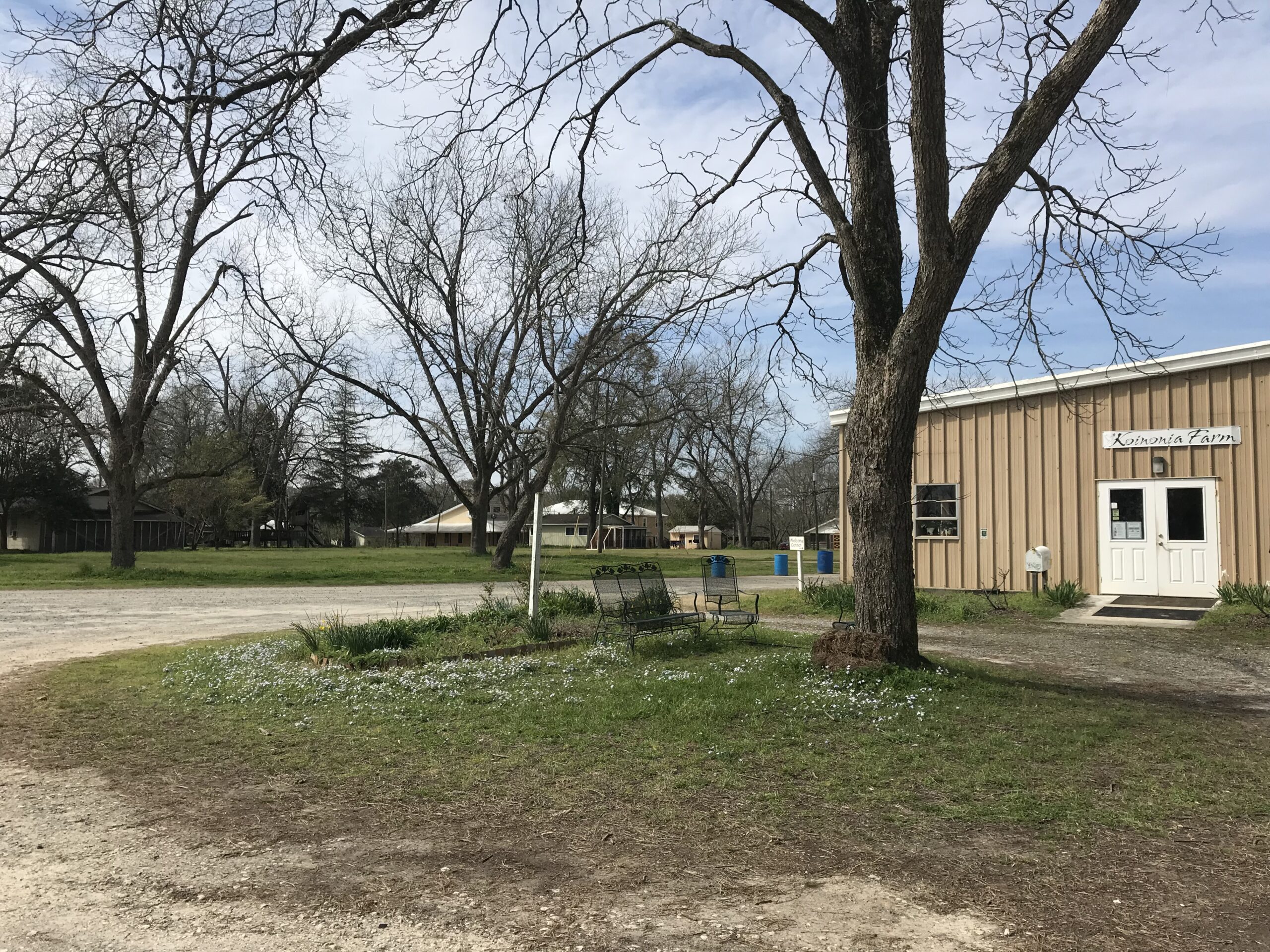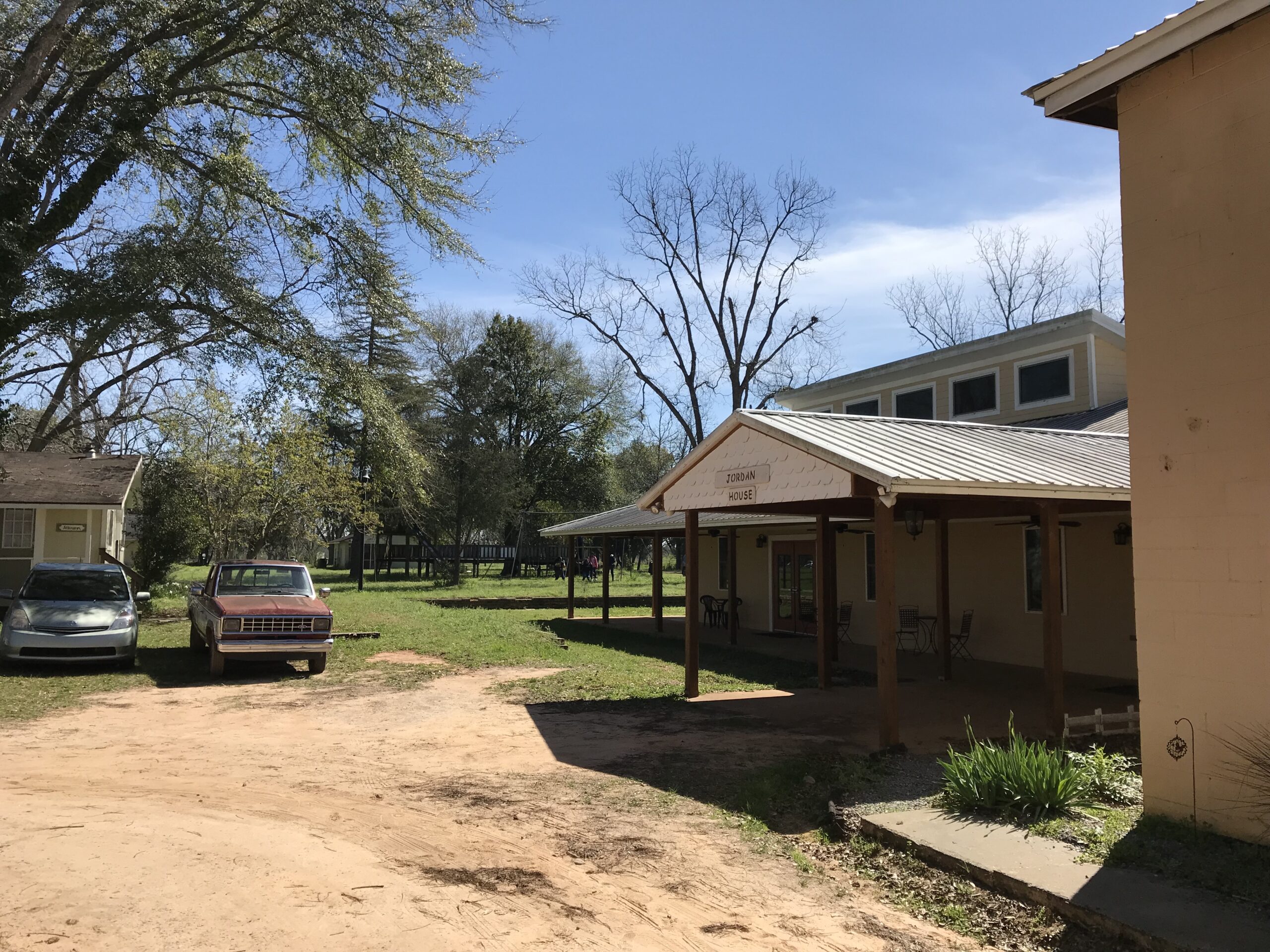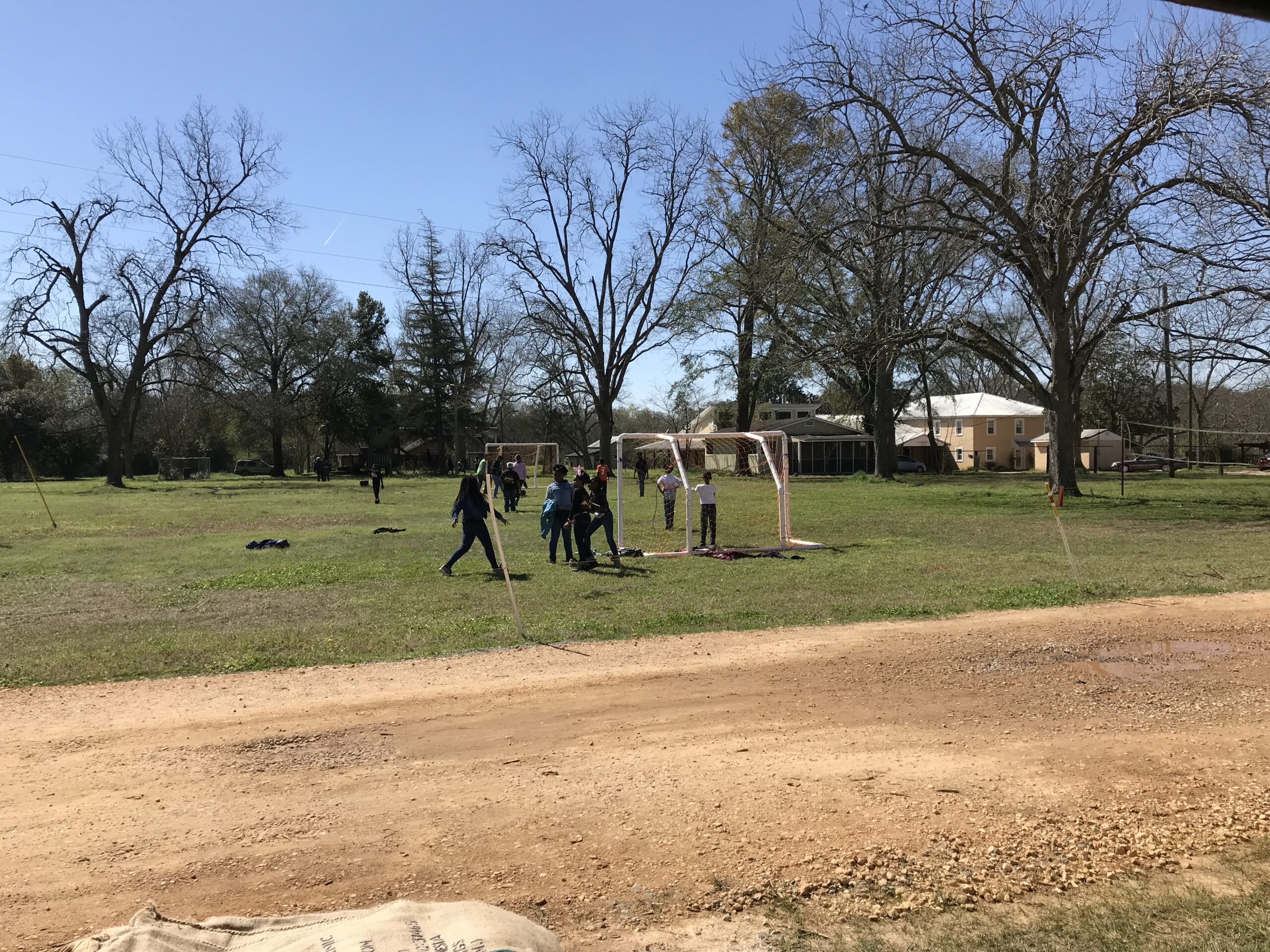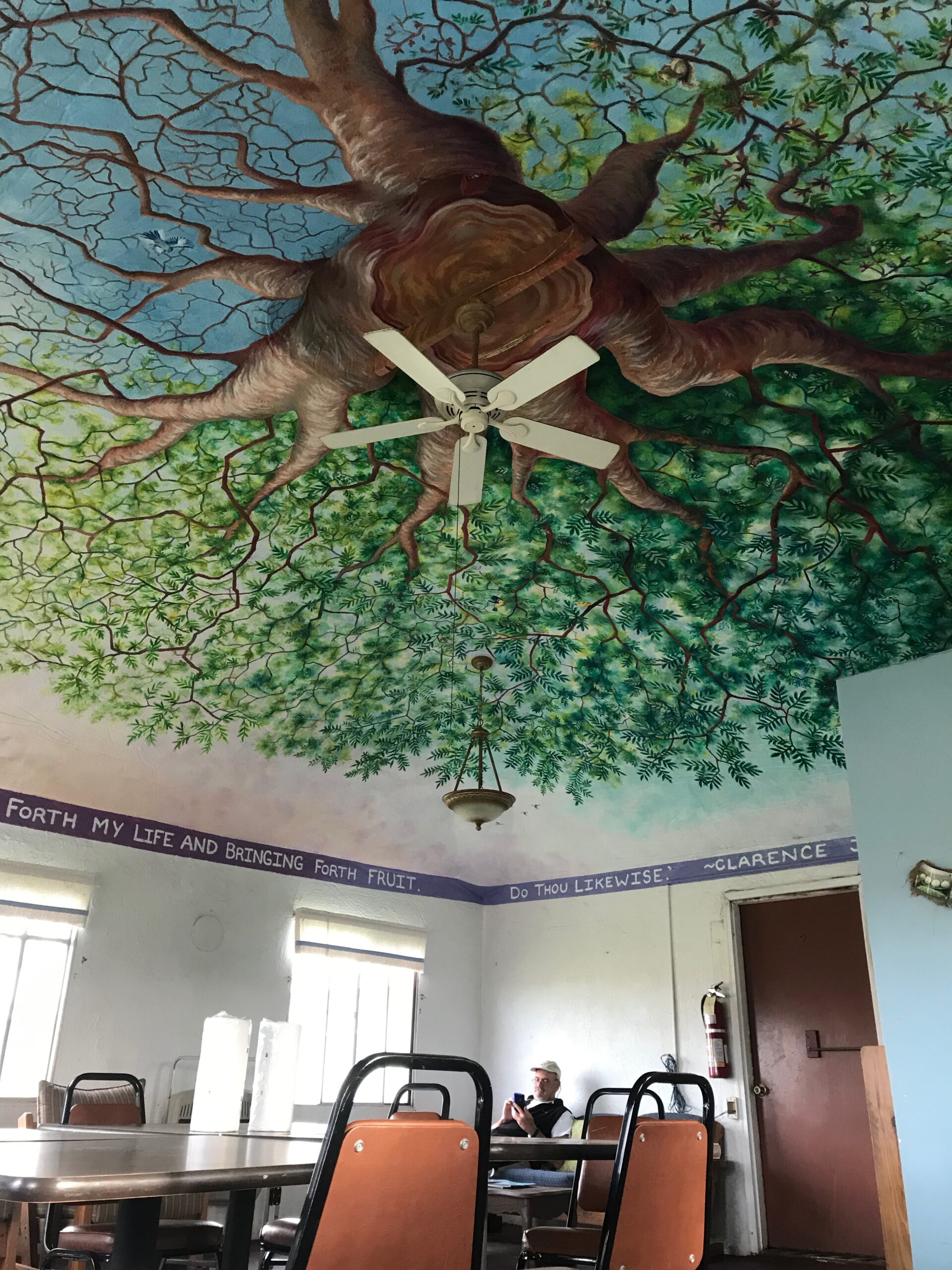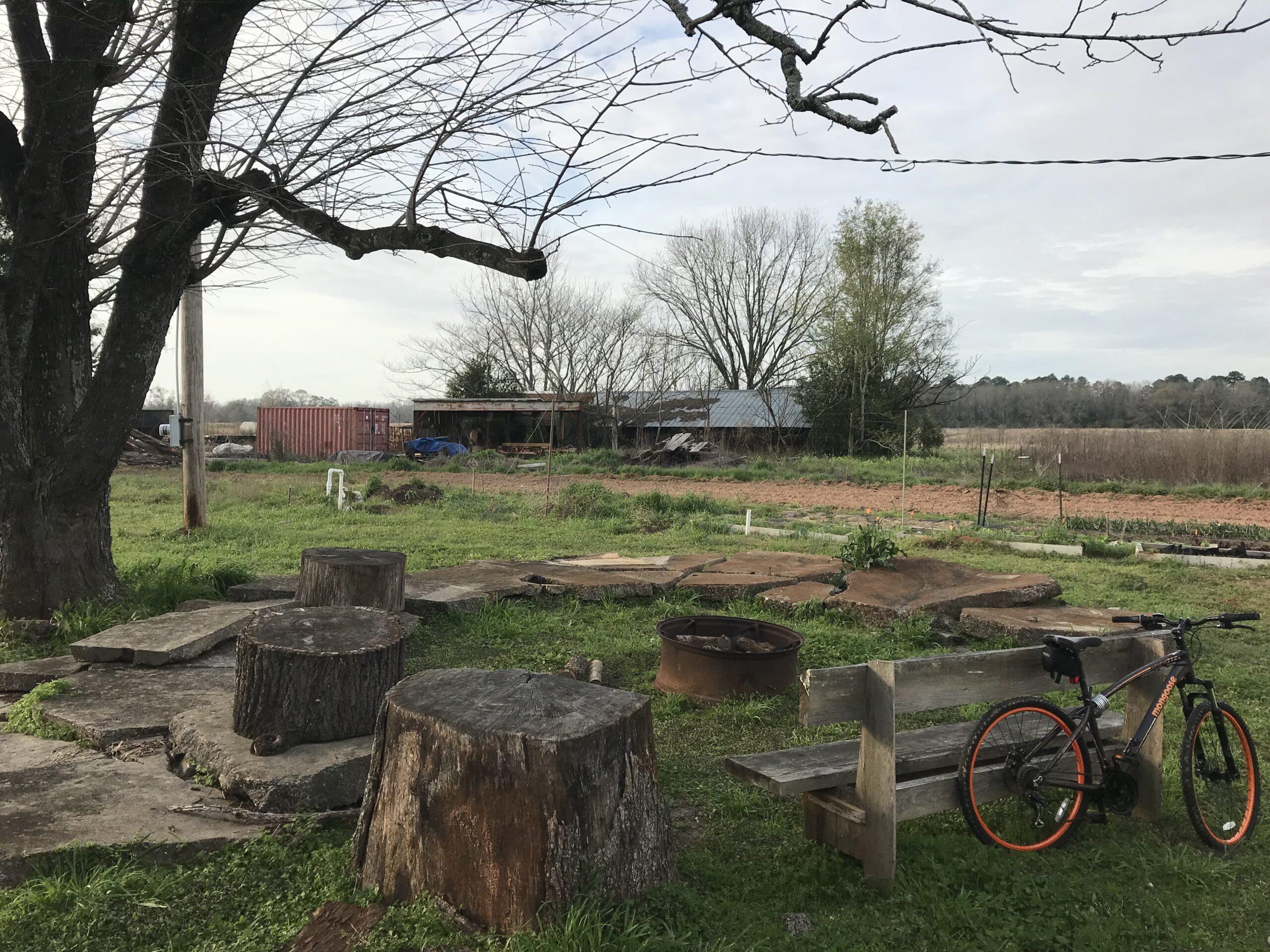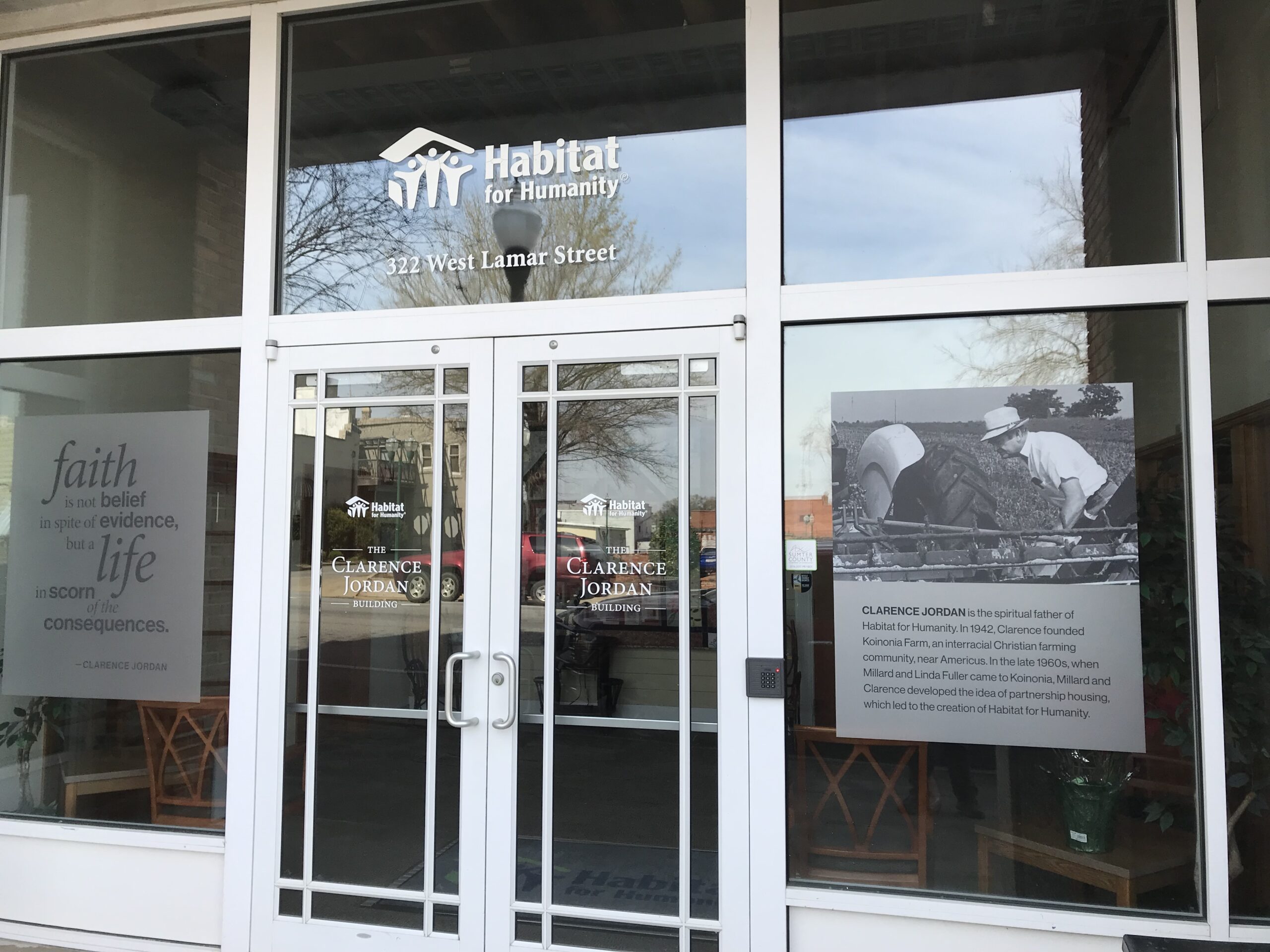

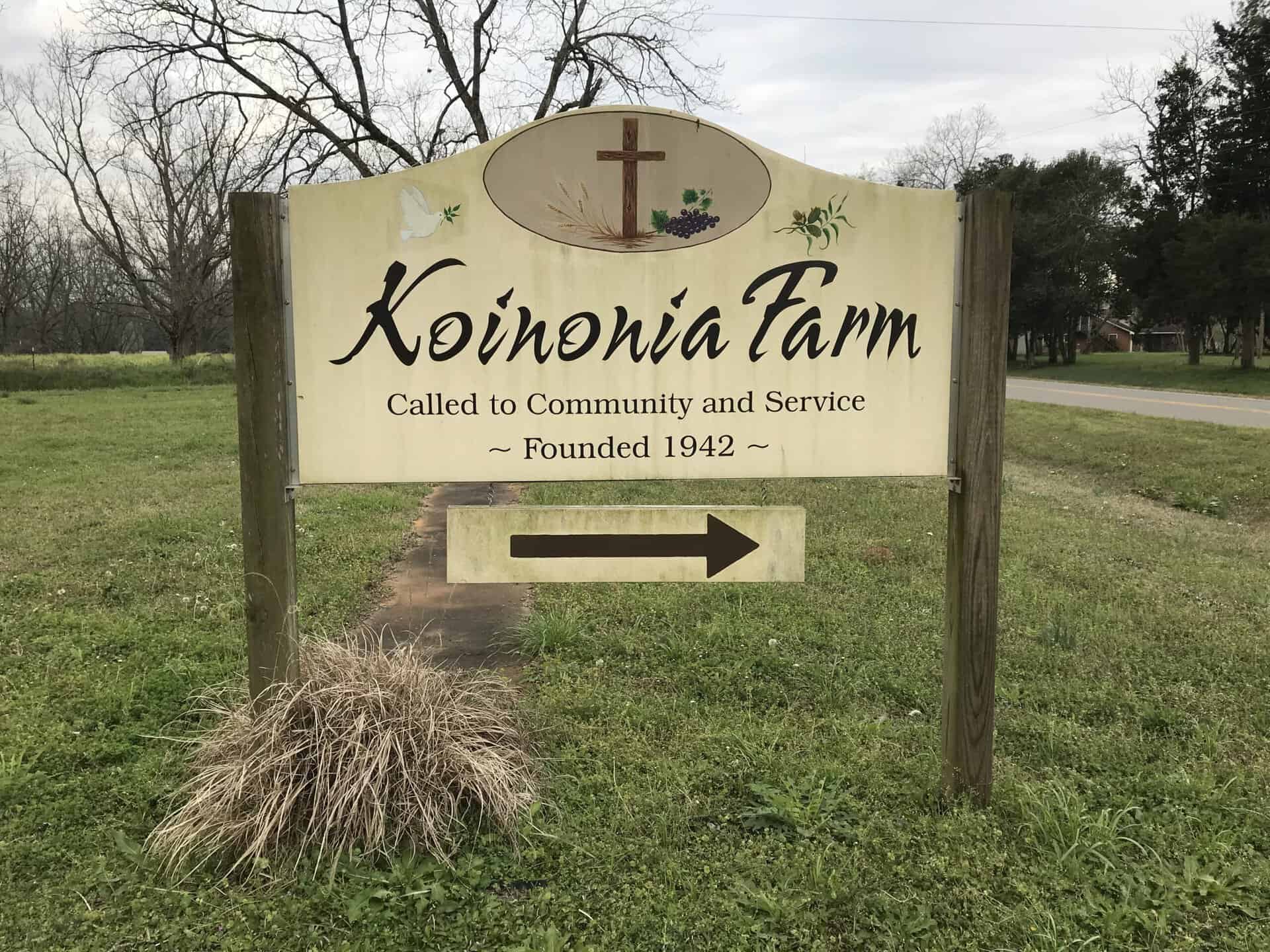
Koinonia Farm holds a special and largely unknown place in the intentional communities movement. Founded in 1942 near Americus, Georgia, the word Koinonia means fellowship or communion, or as it was interpreted by the founders of Koinonia Farm, community.
In their words, “from the beginning, Koinonians emphasized the brotherhood and sisterhood of all people. When we could afford to hire seasonal help, Black and White workers were paid a fair, equal wage. When the community and its guests and workers prayed or ate a meal, we all sat together at the table, regardless of color.” This was during a time when these things, if not outright illegal, were extremely dangerous.
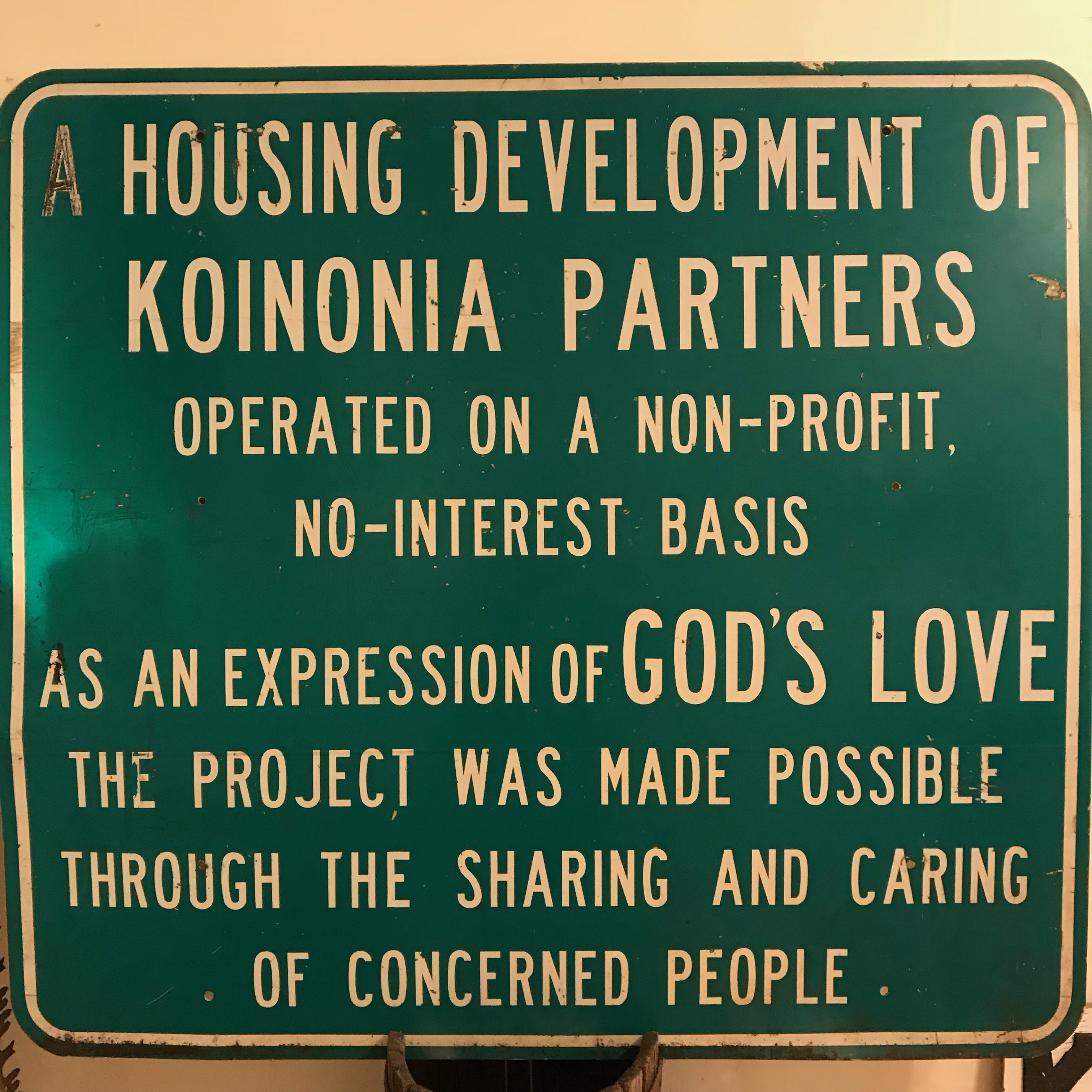
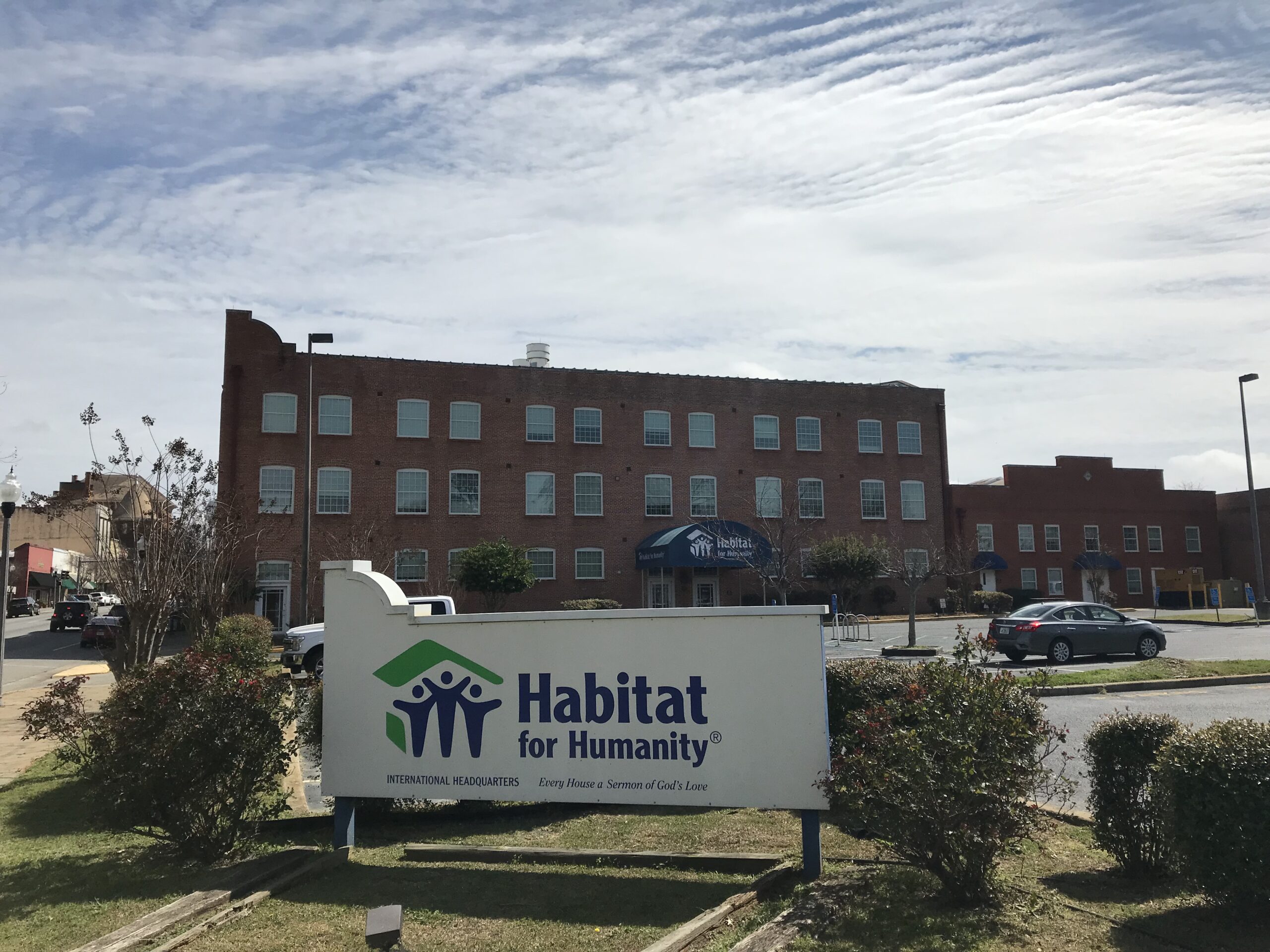
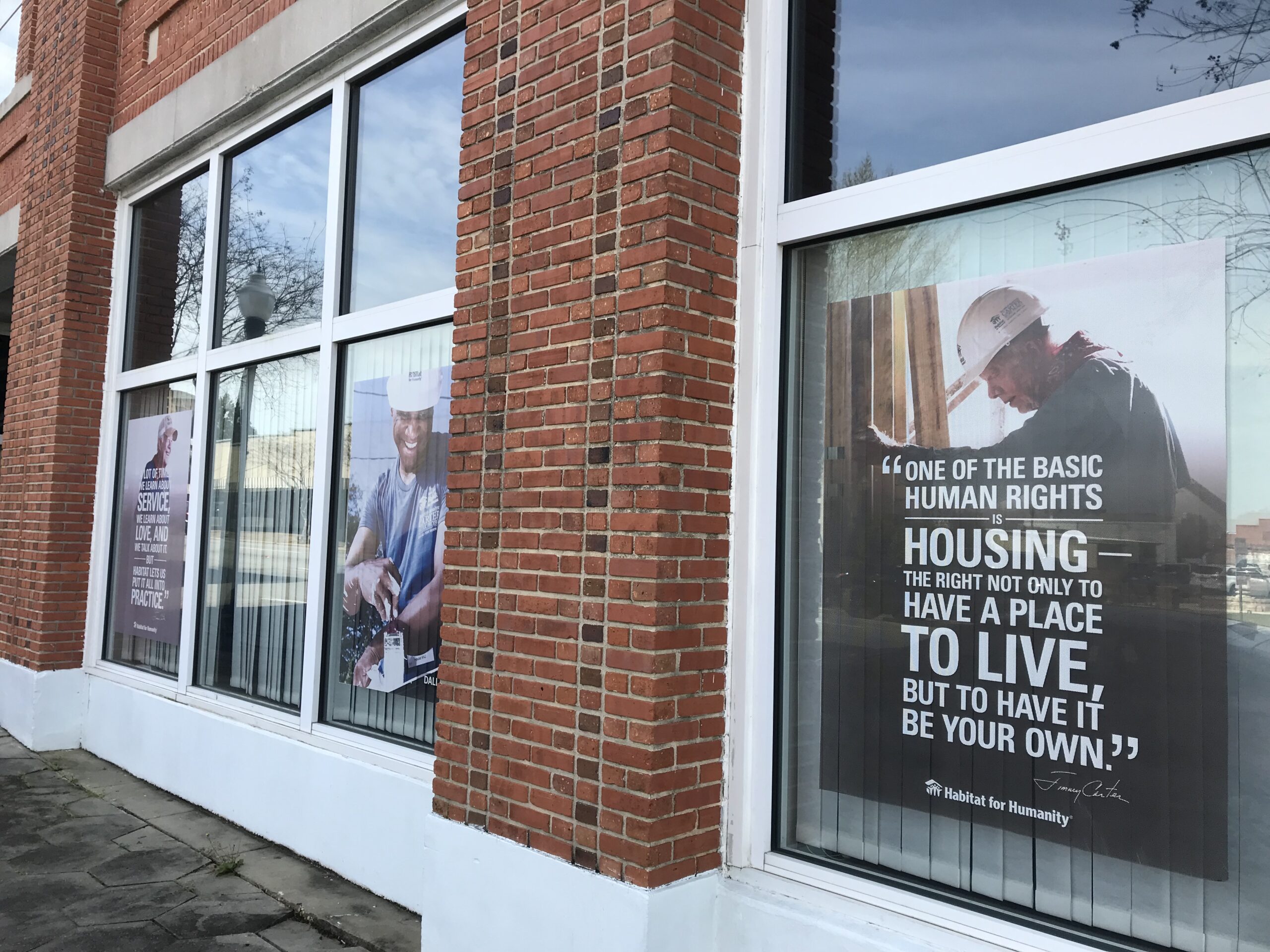
Especially after Brown vs Board of Education, Koinonia was seen as a threat and became a target for violence. Through the 50’s Koinonia was subjected to drive by shootings, bombings, and boycotts. After having grown to 60 people the community began to shrink until it was just the two original families in the 1960’s. But in the late 60’s Koinonia started to grow again, particularly around the vision of Partnership Farming, Businesses, and Housing. One of the families who joined worked in particular on the Partnership Housing part, helping establish the Fund for Humanity, and later going on to found Habitat for Humanity. The International Headquarters of Habitat for Humanity is still in Americus, the nearby city.
I highly, highly encourage you to watch the documentary about Koinonia, Briars In The Cotton Patch, which you can stream for only $2.
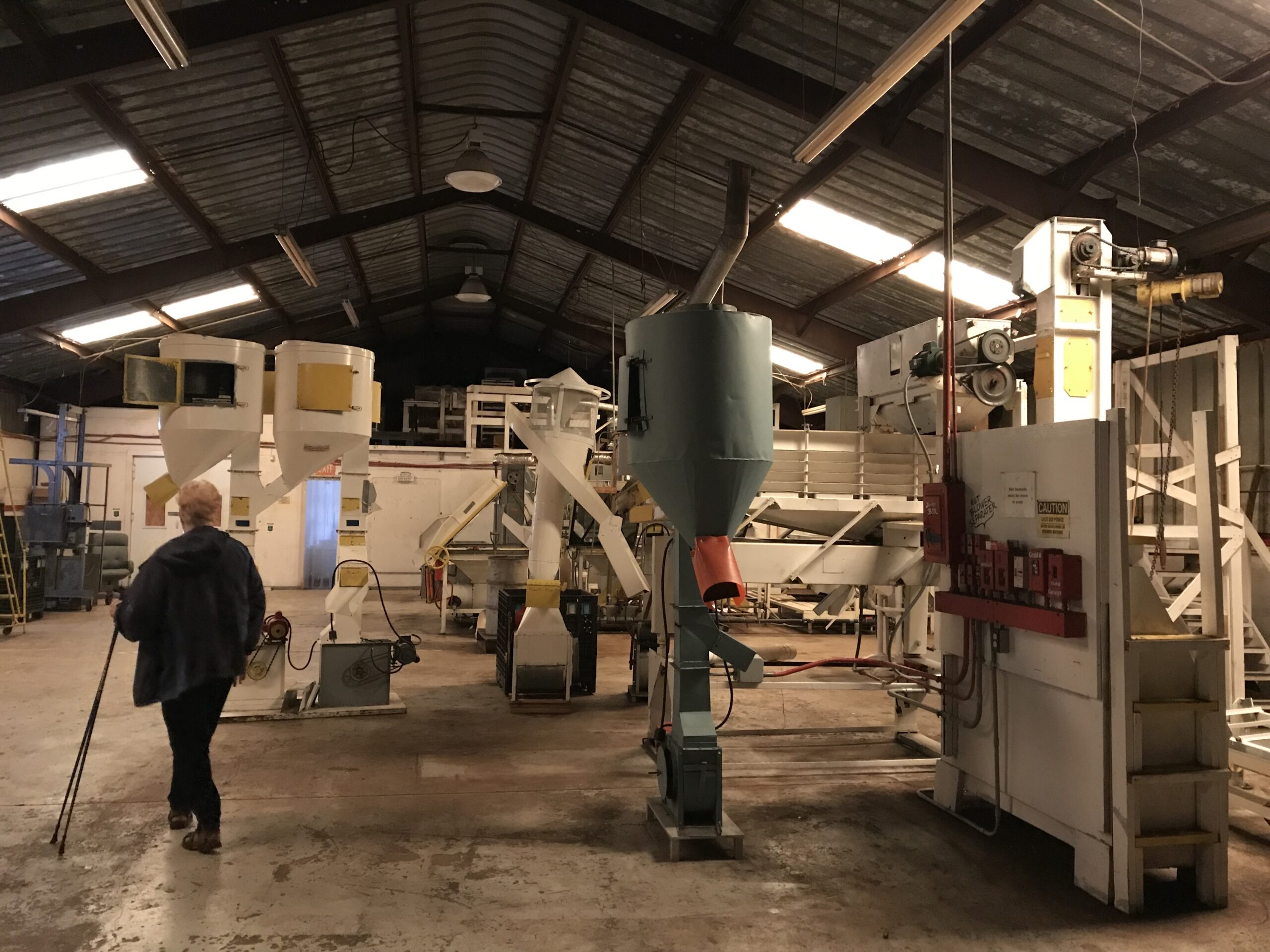
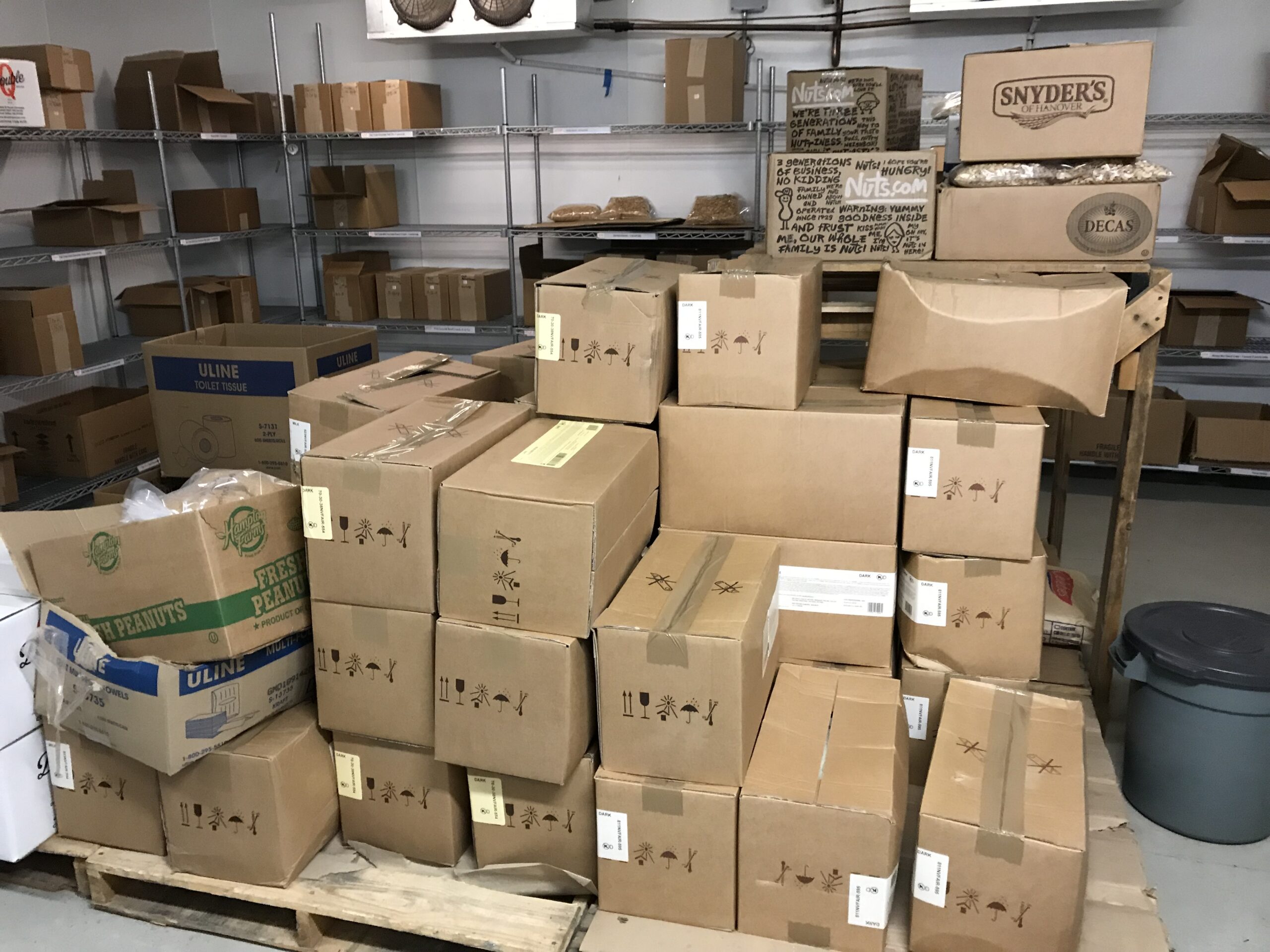
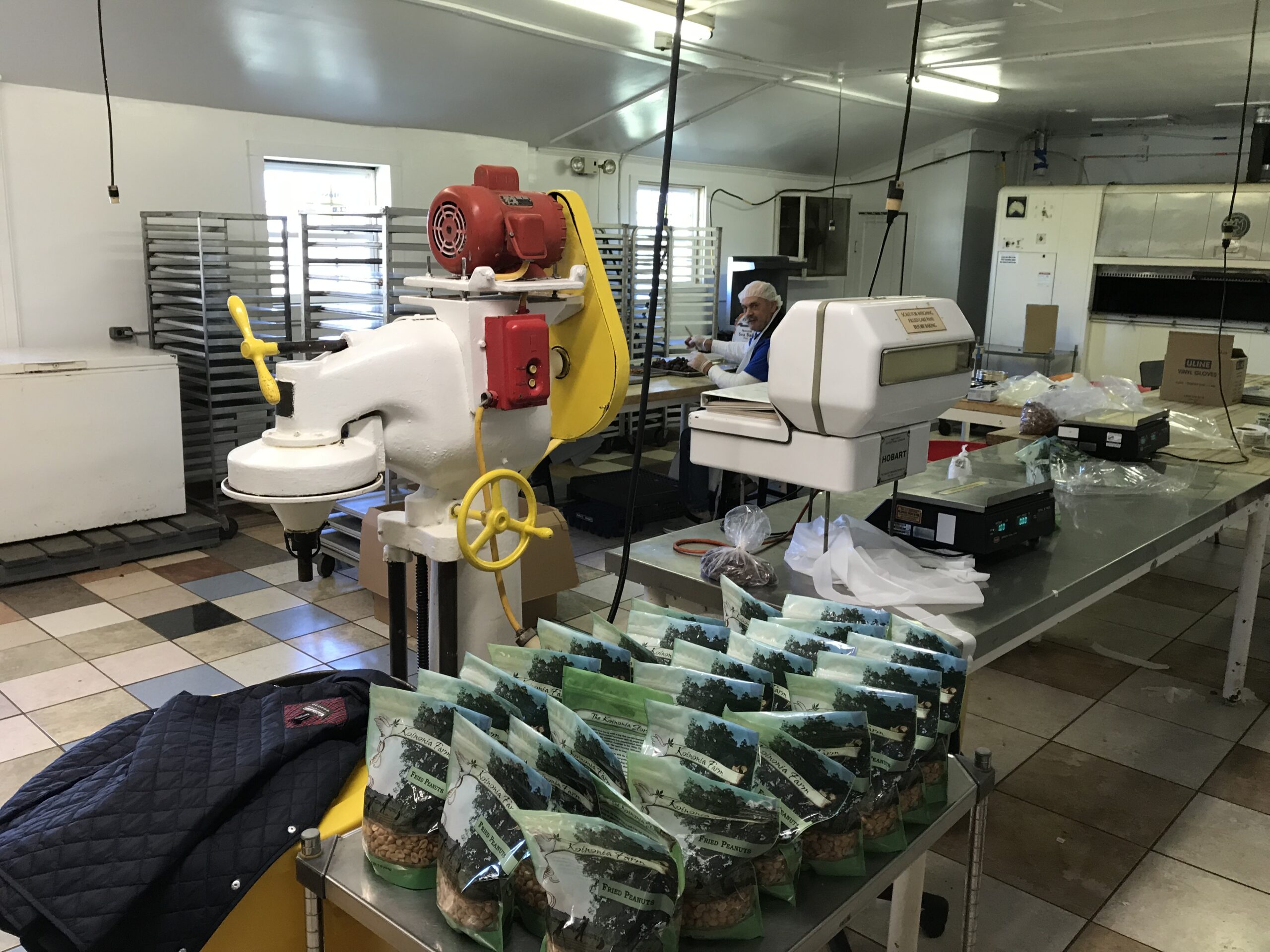
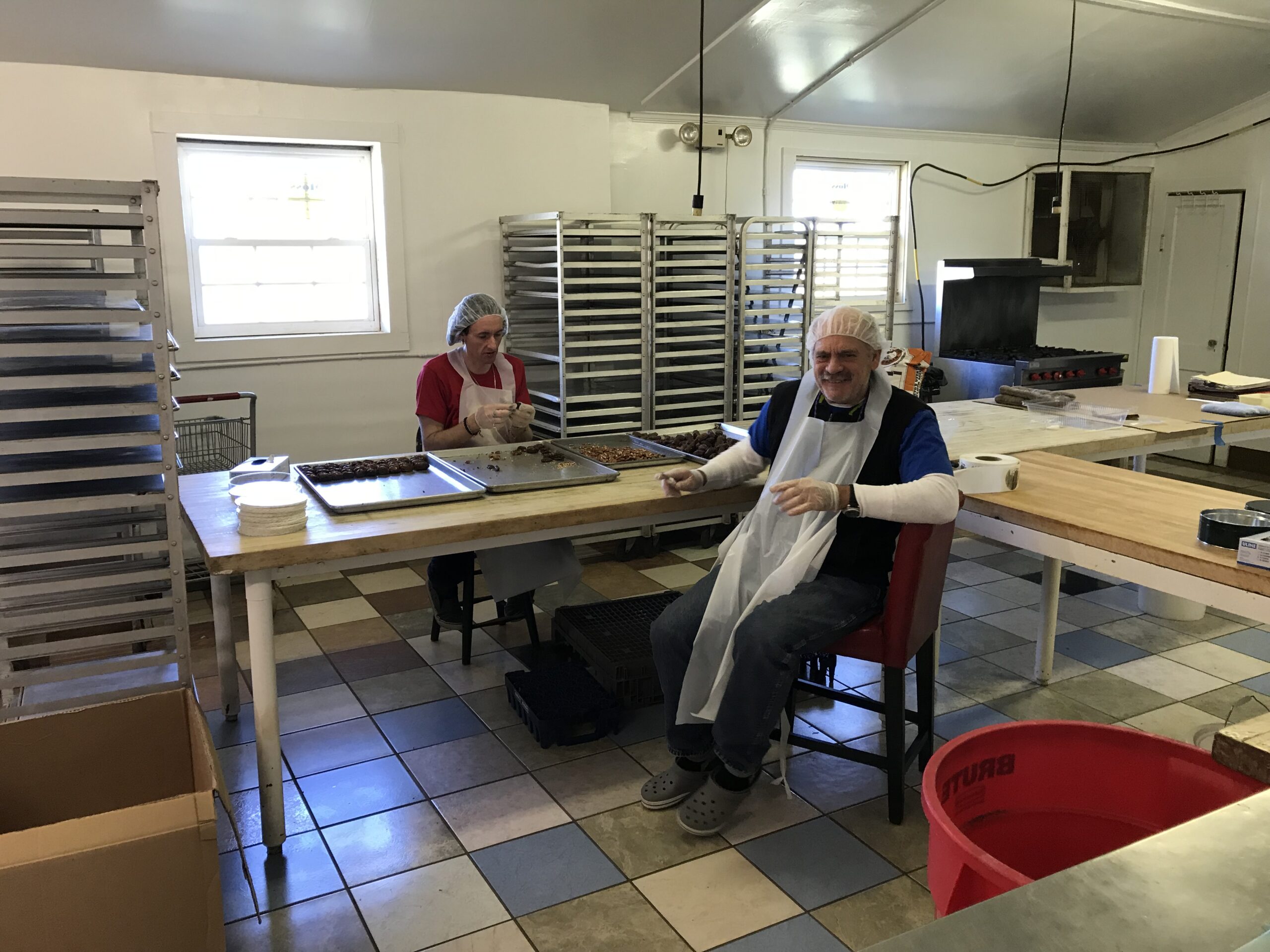
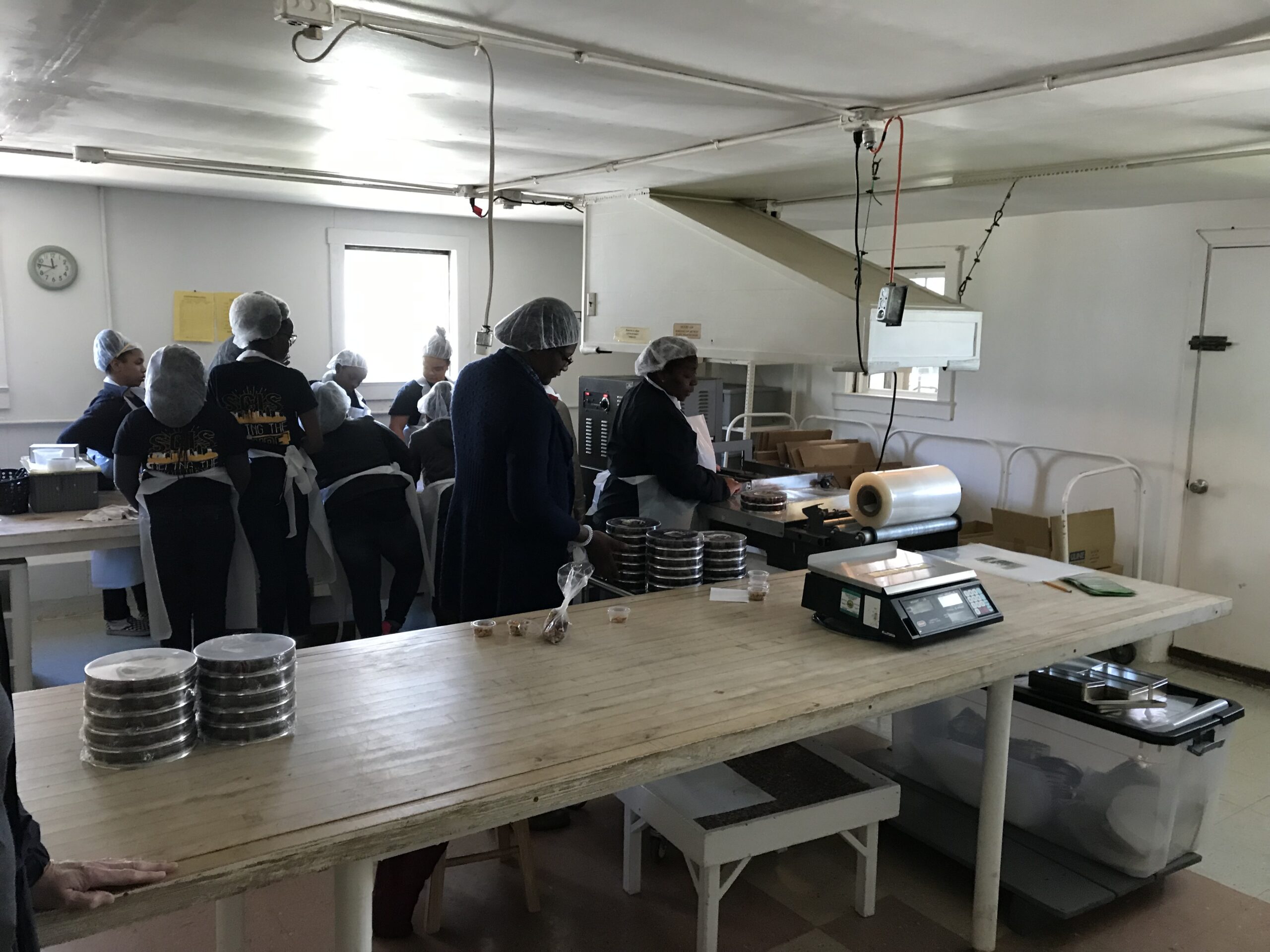
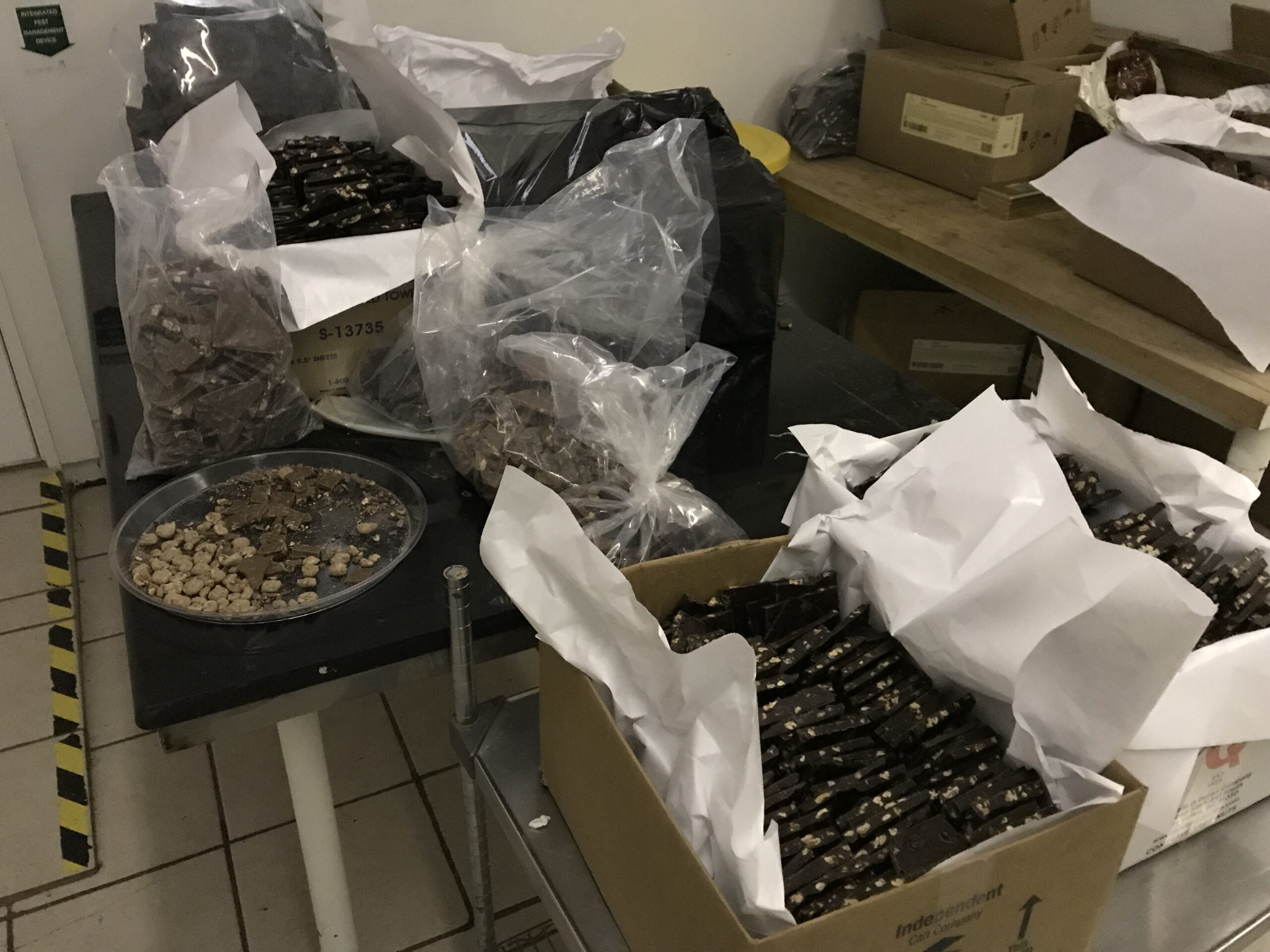
Koinonia started a mail order business in the late 50’s to help sustain themselves amidst the boycotts. This eventually included pecans from their own orchards, which they still sell today, along with a variety of other products. Visit their store to support them.
Koinonia had another rough period in the 90’s, when they decided to move away from the focus on communal living to become a community development non-profit. This led to some poor choices by a couple Executive Directors, culminating in an Executive Director who embezzled large sums from the community. When this was discovered a large portion of the land had to be sold to covered the debt that had accumulated, and ultimately the community decided to go back to its roots and turned itself back into an income-sharing community.
This year Koinonia will be 77 years old. It was humbling to be in the presence of such history. They’ve been through so much and are still there humbly doing the work of hospitality and stewardship, feeding the hungry both physically and spiritually, trying to live in the light as much as possible and be an example of what’s possible in community.
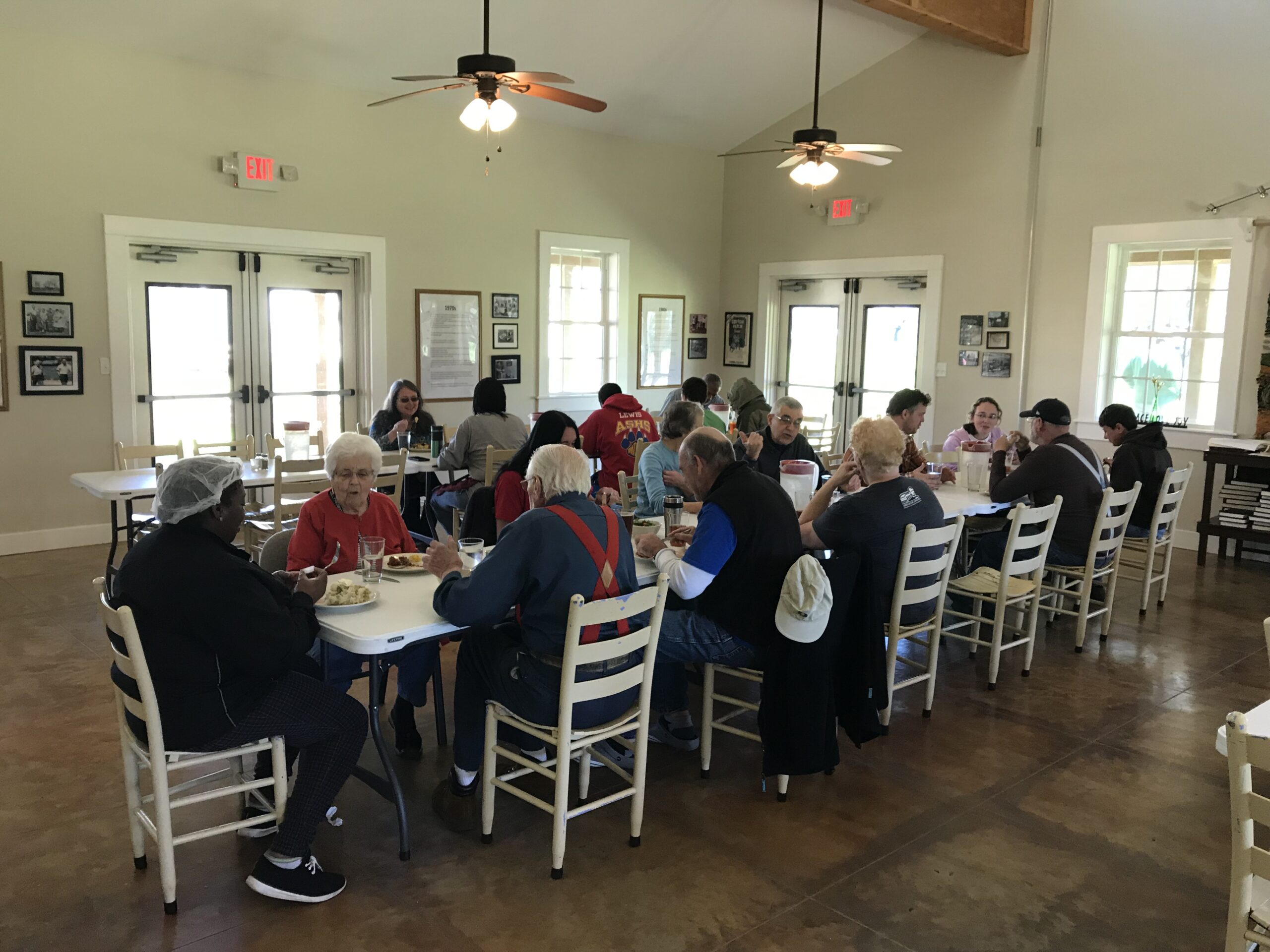
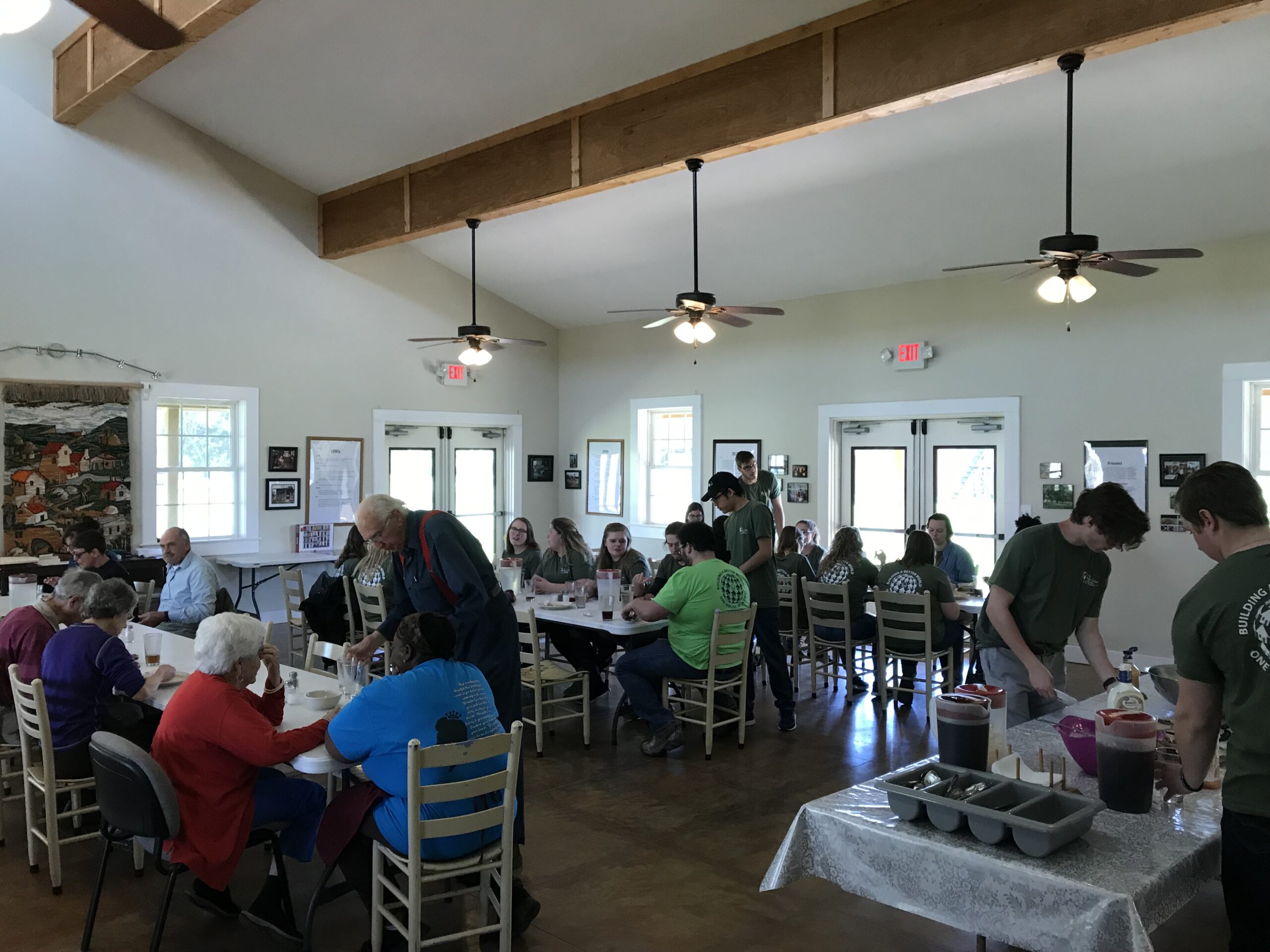
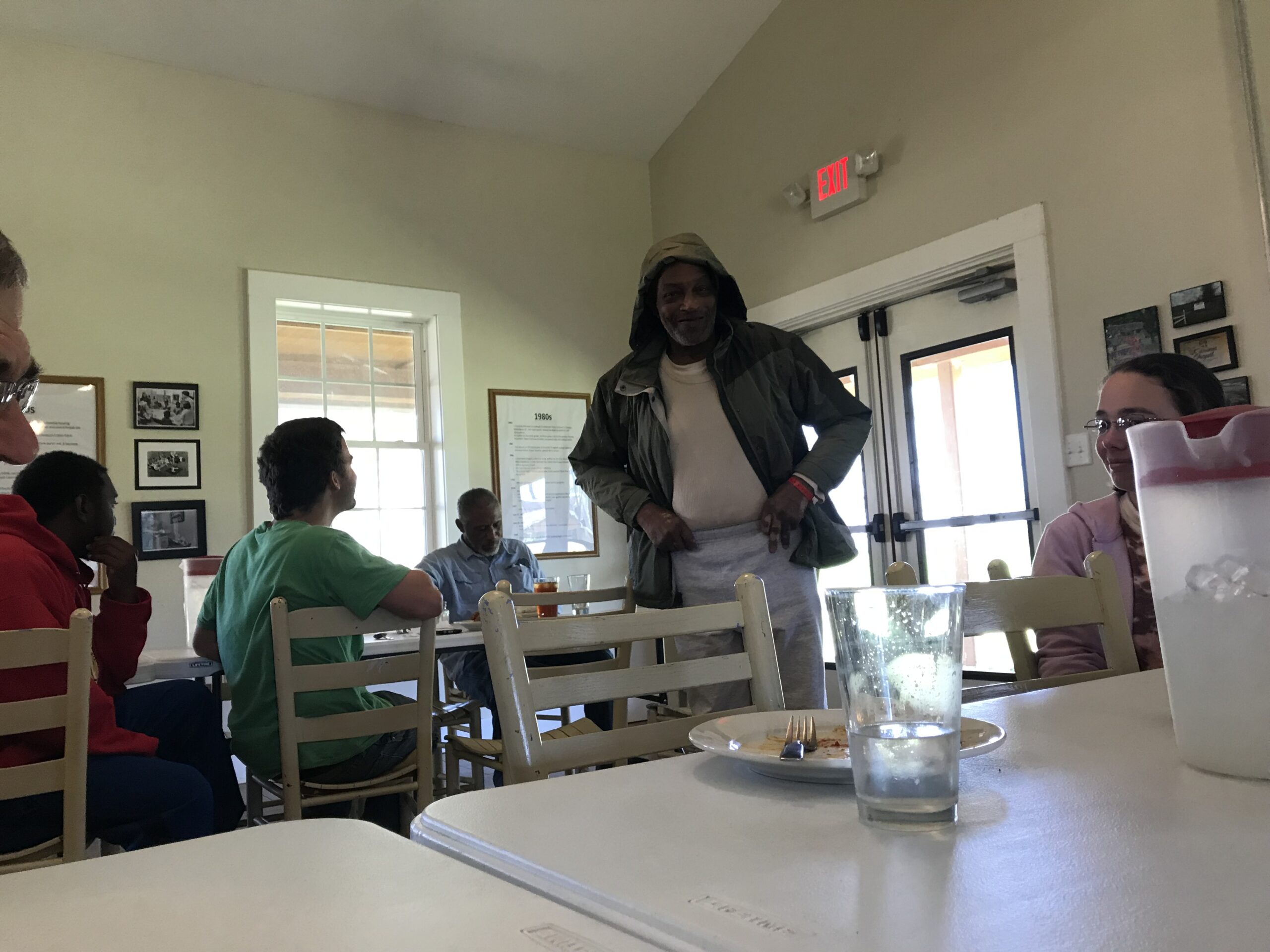
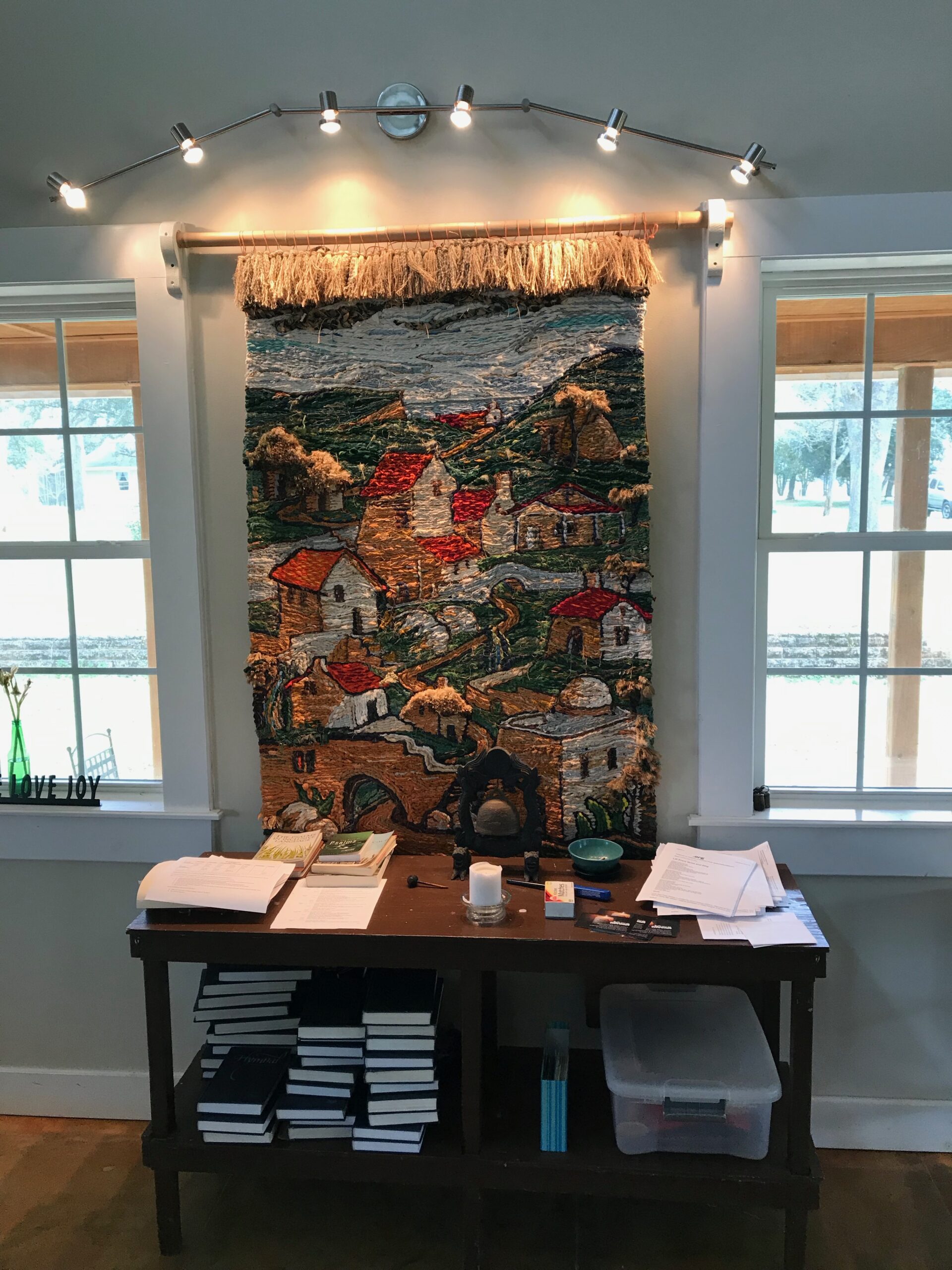
It was a real pleasure to be in the company of Christians I feel could relate to, and that I felt welcomed by without question. Whether or not I was a Christian wasn’t even a question. They’re seeking to reclaim what being a Christian means and really live it, which in essence is about living a good life, good for yourself, good for others. They gather each morning in their Chapel for a brief service, have a prayer and reading before meals, and someone rings a bell three times a day and everyone pauses for a moment of prayer, all of which I enjoyed participating in. There is a sense of family there that I immediately felt part of.
Their current vision and mission statements:
“We are Christians called to live together in intentional community sharing a life of prayer, work, study, service and fellowship. We seek to embody peacemaking, sustainability, and radical sharing. While honoring people of all backgrounds and faiths, we strive to demonstrate the way of Jesus as an alternative to materialism, militarism and racism.”
Keep the conversation going with these pieces
There are no available blogs
Subscribe to our newsletter for fresh stories and community updates delivered to your inbox.
Get unlimited access to courses, exclusive member events, and a supportive network of community builders
Access all courses, books, and premium content
Member-only workshops and community builders
Member-only workshops and gatherings
We use cookies to improve your experience on our site. By using our site, you consent to cookies.
Manage your cookie preferences below:
Essential cookies enable basic functions and are necessary for the proper function of the website.
These cookies are needed for adding comments on this website.
Statistics cookies collect information anonymously. This information helps us understand how visitors use our website.
Service URL: policies.google.com (opens in a new window)
A residential project: people live here as their primary home.
An institution, business, network, or project that isn’t a residence (e.g. a learning center, farm, or network with no one living there full-time).

{{ item.label }}
{{ item.value ? item.value : currencyFormat( item.amount ) }}
Subtotal
{{ currencyFormat( pricing_summary.total_amount ) }}
There are no results matching your search

We’re introducing new Plus features — including community reviews, Profile Match, and unlimited Needs & Offers posts — while keeping most of FIC free for everyone. Membership costs less than two coffees a month.