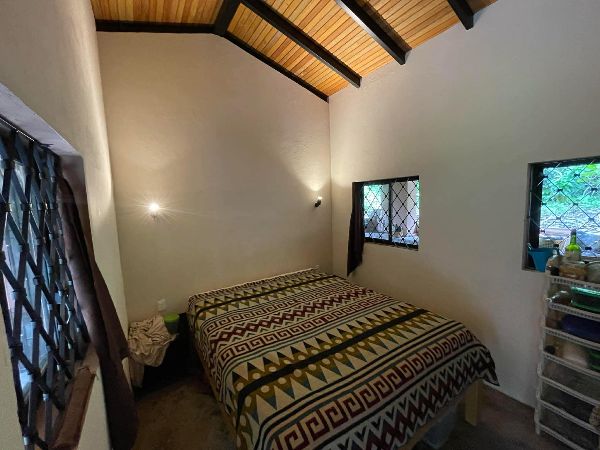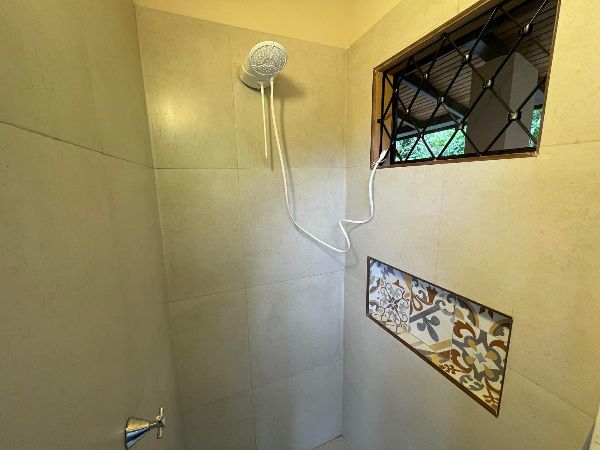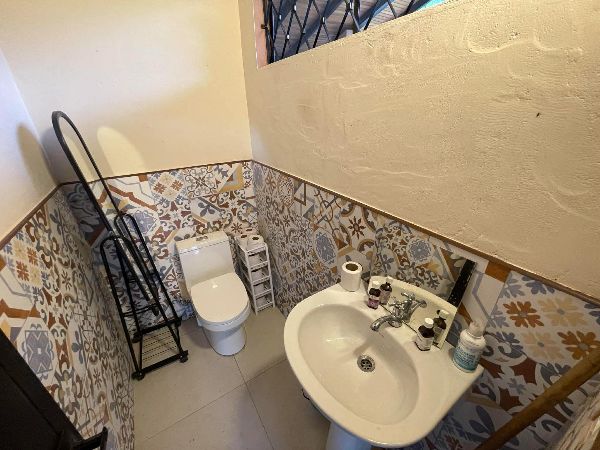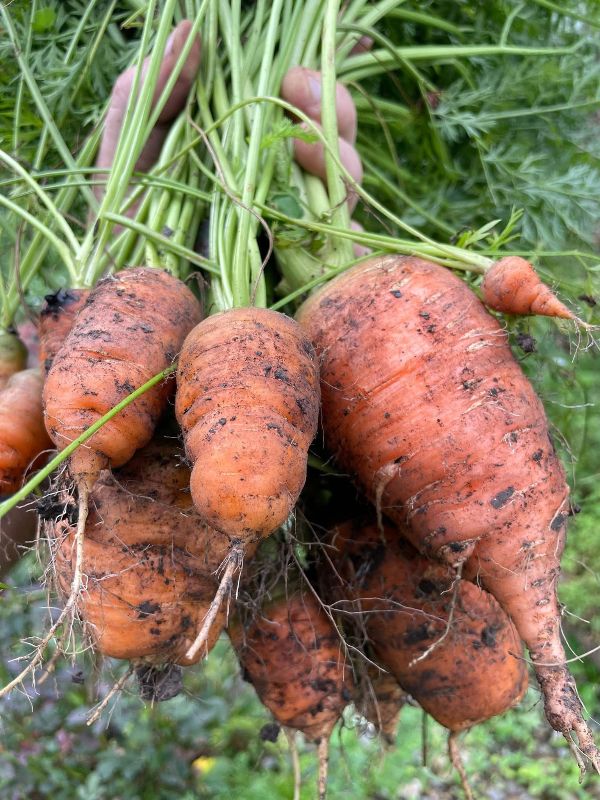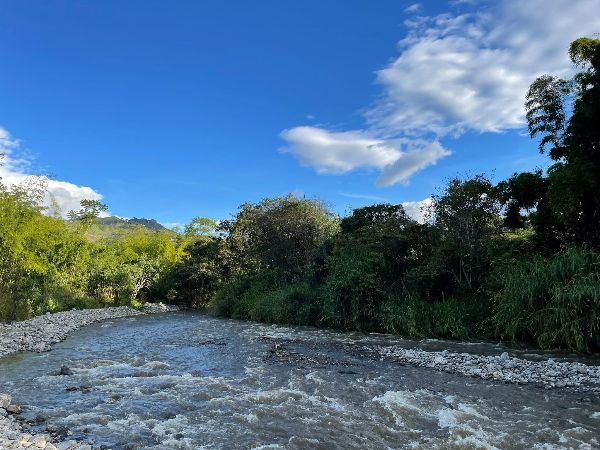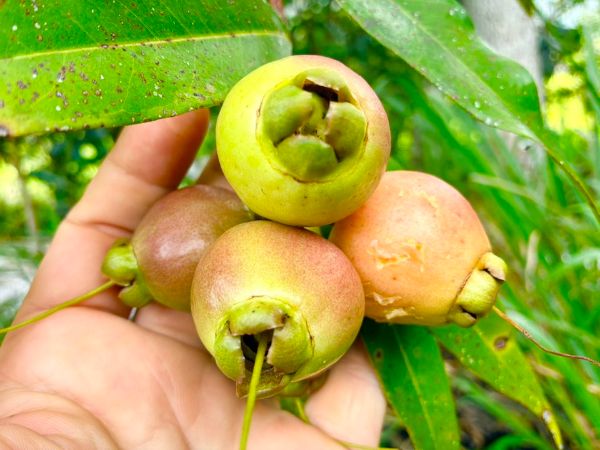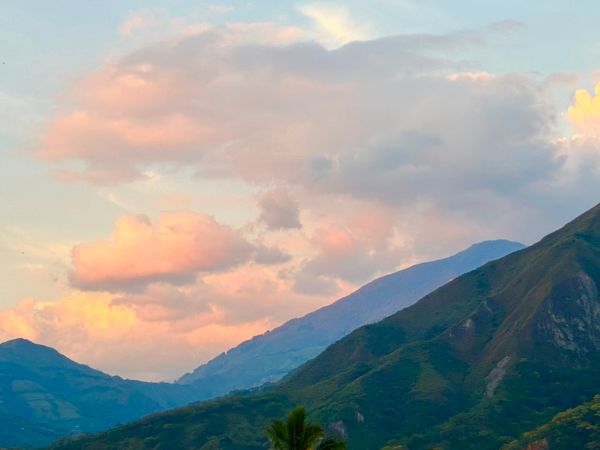
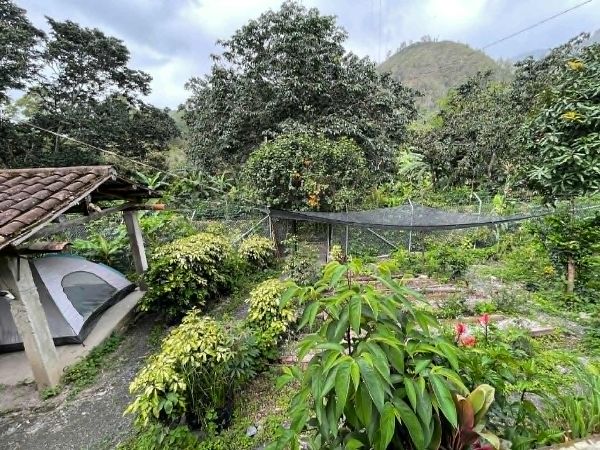
Finca Cultura is a Self-Reliant Vegan Homestead located in Southern Ecuador and we are “Preppers”. We understand the world’s supply chain can experience issues at any time which will make it complicated for all of us to purchase essential products. As farmers we also observe many climate change issues. These issues can lead to food shortages. Our homestead is actively taking steps to prepare for these scenarios. We have a spring fed river on our land that flows all year, we collect rainwater from skies that have zero chemtrails, and we have perfect weather to grow food all year without the need for preservation or canning. Our lifestyle has an emphasis on simplicity and off-grid living but we also have grid electricity and high speed internet. Often we invite guests to visit our homestead for day trips, extended visits, and for long term residence. This land is approximately 2.5 acres with over 100 varieties of Fruit Producing Plants, Various Herbs, Vegetable Plants, & Flowers. There are many nearby hiking trails & Nature Parks. Our night sky is great for star gazing with minimal light pollution. To generate money for our community we have a physical store / restaurant in town that sells flowers, seeds, fruits, prepared foods, and various seasonal products. We also offer edible landscaping services to local property owners and do online consulting. Our land and restaurant are equipped to host events. We live by “the four agreements” and expect all guests to do the same. These agreements are very important to us. If you do not understand our agreements then please ask questions so we can discuss them. The agreements are: 1) Speak impeccably 2) Do your best 3) Take nothing personally 4) Make no assumptions. We currently have private bedrooms to share in the Adobe House. We also have tents to share with bedding materials. We are a 15 minute walk or $1.75 taxi ride from downtown where standard amenities of life are available. All guests are expected to work up to 2 hours per day or pay $10 per day per person to compensate for housing expenses. The most common tasks at the homestead are: harvesting, composting, weeding, making biochar, and planting. This is the 6th homestead we have built together since September 2020. This is a great opportunity for Inquisitive people to learn many skills. As a Vegan Homestead we trap, cage, or restrain zero animals. All guests of more than one week will have a 7 day trial phase. If you are not compatible with our expectations after the 1st week you will be given constructive criticism and/or asked to leave as we have been advised to do by the WWOOF terms of service. If you are asked to leave you will have up to 1 week to leave the property. If visiting, working with, or living with us interests you please send us a message with all the questions you have for us. You will be given a questionnaire to complete, we will then schedule a voice chat with you, and if approved you will be given a liability waiver to sign. Thank you for reading this. We appreciate you!
Our focus and mission is to first ensure our communities direct survival and wellness is secured. Secondly we wish to expand outwards and bring enrichment to others of the world. We seek a world of harmony, peace, and abundance for everybody
If you would like to visit our community please send us an email to th***********@***il.com. A simple introduction will be great. We will then send you our questionnaire. After it is completed we will schedule a voice chat with you.
A few people (not elected by the broader community) make the major decisions.
A single person, couple, or small group makes most major decisions.
Primary authority rests with the community’s founder(s) or designated leader(s).
Members contribute a percentage of income to community funds.
Labor: Yes (15 hrs/week)
Members with pre-existing debt: allowed
Common House, Garden(s), Library, Workshop, Outbuilding(s), Swimming pond or pool, Outdoor Kitchen, Fire pit, Waterfront access, Internet
Smaller municipalities with local services but rural character.
Shared living spaces with private bedrooms/bathrooms and communal
kitchens, dining, and social areas.
Geographically close groups of independently-owned homes whose residents actively cultivate community relationships and shared values.
Connecting people and communities through an intentional online marketplace
There are no needs and offers
We use cookies to improve your experience on our site. By using our site, you consent to cookies.
Manage your cookie preferences below:
Essential cookies enable basic functions and are necessary for the proper function of the website.
These cookies are needed for adding comments on this website.
Statistics cookies collect information anonymously. This information helps us understand how visitors use our website.
Service URL: policies.google.com (opens in a new window)
A residential project: people live here as their primary home.
An institution, business, network, or project that isn’t a residence (e.g. a learning center, farm, or network with no one living there full-time).

{{ item.label }}
{{ item.value ? item.value : currencyFormat( item.amount ) }}
Subtotal
{{ currencyFormat( pricing_summary.total_amount ) }}
There are no results matching your search

We’re introducing new Plus features — including community reviews, Profile Match, and unlimited Needs & Offers posts — while keeping most of FIC free for everyone. Membership costs less than two coffees a month.